
Why November Is the Best Month in Florida to Fix Your Roof
Consider the week we have just had. Central Florida got four days of rain and warm, humid air to open November, the kind of stretch that makes roofing impossible. Now the forecast turns: sunny, cooler days ahead, and behind them the driest part of the Florida year. Winter fronts bring occasional rain, but in hours, not weeks. That single change transforms what roofing work is possible, how fast it can be scheduled, and how well it can be done.
Short answer
November is when Florida's weather finally starts helping roofers instead of fighting them. The afternoon downpours that delay and interrupt work for half the year ease off, temperatures cool, and schedules open up before the holiday rush. If your roof came out of storm season with damage to repair, or is due for replacement, this is the month in which to get it done.
Dry weeks mean uninterrupted work
From June through October, a roofing crew in Orlando can have a perfect plan ruined by a two o'clock downpour. Tear-offs get interrupted, partially covered sections need emergency tarping, and sealants get applied to surfaces that were dry at breakfast and soaked by lunch. Multi-day jobs stretch, and emergency calls from storm damage jump the queue in front of planned work.
November flips that equation. Long dry stretches mean a repair can be finished the day it starts. A replacement can be scheduled with reasonable confidence it will run straight through. Materials sit properly, deck work can be completed without weather pressure, and crews are not triaging active leaks across the city. For a homeowner, the difference shows up as fewer delays, cleaner finished work, and a job that is truly done before the next season of weather arrives.
Cooler days are better working days
Florida roofing happens on one of the hottest surfaces in the state. In August, a roof deck under midday sun is a brutal place to work, and the heat limits the pace of careful, detailed work. Sealant and adhesive products also behave at their best within a temperature range that Florida summers can blow through by mid-morning.
November in Orlando averages daytime highs around 25 degrees Celsius, with nights in the mid-teens. That is close to ideal. Crews can work precise flashing details without being cooked, materials cure the way manufacturers intend, and shingles still get warm enough in the Florida sun to seal down firmly. Cooler, drier roofs also mean better footing and safer work.
You beat two rushes at once
Two separate deadlines compete for roofers' calendars in late November and December. The first is the calendar itself: Thanksgiving week and the year-end holidays, when homeowners want projects finished and crews take time off. The second is the weather. The first strong winter fronts bring wind-driven rain that finds every weakness left over from storm season, and a wave of leak calls follows each front.
Book early in November and you are ahead of both. Your roof is fixed before the fronts test it, and your job runs while schedules are still calm. Wait until December, and you are in line behind every urgent call the first cold front generates. There is also a paperwork angle: if your roof took damage this storm season, having an inspection report and completed repairs documented this month gives you a clean record of your home's condition at the official end of hurricane season on November 30.
Storm season damage is still fresh and fixable
Damage found in November is recent damage. Lifted shingles still carry intact material around them. Flashing that loosened in October has not yet rusted through a full season of rain. Decking under a small leak may need a section replaced, not a slope rebuilt. Restorations get dramatically more expensive as problems age, simply because water spreads. November is the month when this year's storm wear is still at its cheapest to put right, and the evidence of what happened is still clear and documentable for your homeowner records or insurance file.
Repair or replace: November gives you time to decide properly
In storm season, roof decisions get made in a hurry, with water actively coming in. November removes the emergency. A proper inspection can tell you honestly how many good years your roof has left, whether targeted repairs will carry it through, or whether replacement is finally the wiser money. Making that call in calm weeks, with quotes in hand and no rain falling through the ceiling, produces better decisions than making it at the peak of a storm. If you are weighing the two paths, take the free inspection first, get the photos, and let the condition of your roof, not the weather, set the timeline.
Keep reading
Should You Repair or Replace Your Roof in Orlando? · How Much Does Roof Repair Cost in Orlando?
Questions homeowners ask
Is November really drier in Central Florida?
Yes. November marks the start of Florida's dry season. Orlando typically receives far less rain in November than in the summer months, and the pattern of daily afternoon thunderstorms largely stops. Winter fronts still bring rain, but in short spells rather than week-long stretches.
How far ahead do roofers book in the dry season?
Early November is usually the calmest booking window of the season. As the month moves toward Thanksgiving and the first winter fronts arrive, schedules fill with both planned work and urgent leak calls. Booking an inspection in the first half of November gives you the widest choice of dates.
Does a new roof need warm weather to seal properly?
Modern asphalt shingles seal best with some warmth and sun to activate their sealant strips. Florida November days, with highs in the mid-20s Celsius and strong sun, are well within the range where shingles seal properly. This is one reason November beats the deep winter weeks even in Florida.
Should I repair or replace before winter?
That depends on the roof's overall condition, not the calendar alone. If the damage is local and the rest of the roof is sound, repairs in November should carry you through winter fronts comfortably. If the roof is broadly worn, patching it now may only buy a season. A free inspection with photos is the fastest way to an honest answer.
The rain spell is over, the dry weeks are here, and the schedule is open. Get your storm-season damage looked at while November still works in your favor. Request a free roof inspection in Orlando: call (689) 282-5370 or visit roofrepairorlandofl.com. Licensed Florida roofing: Timothy Parks Roofing & Construction Inc., licence CCC1327217.
Before & After Repair Scenarios
These visuals are illustrative examples of common repair scopes, not representations of a specific customer job. Replace them with verified project photography when available.
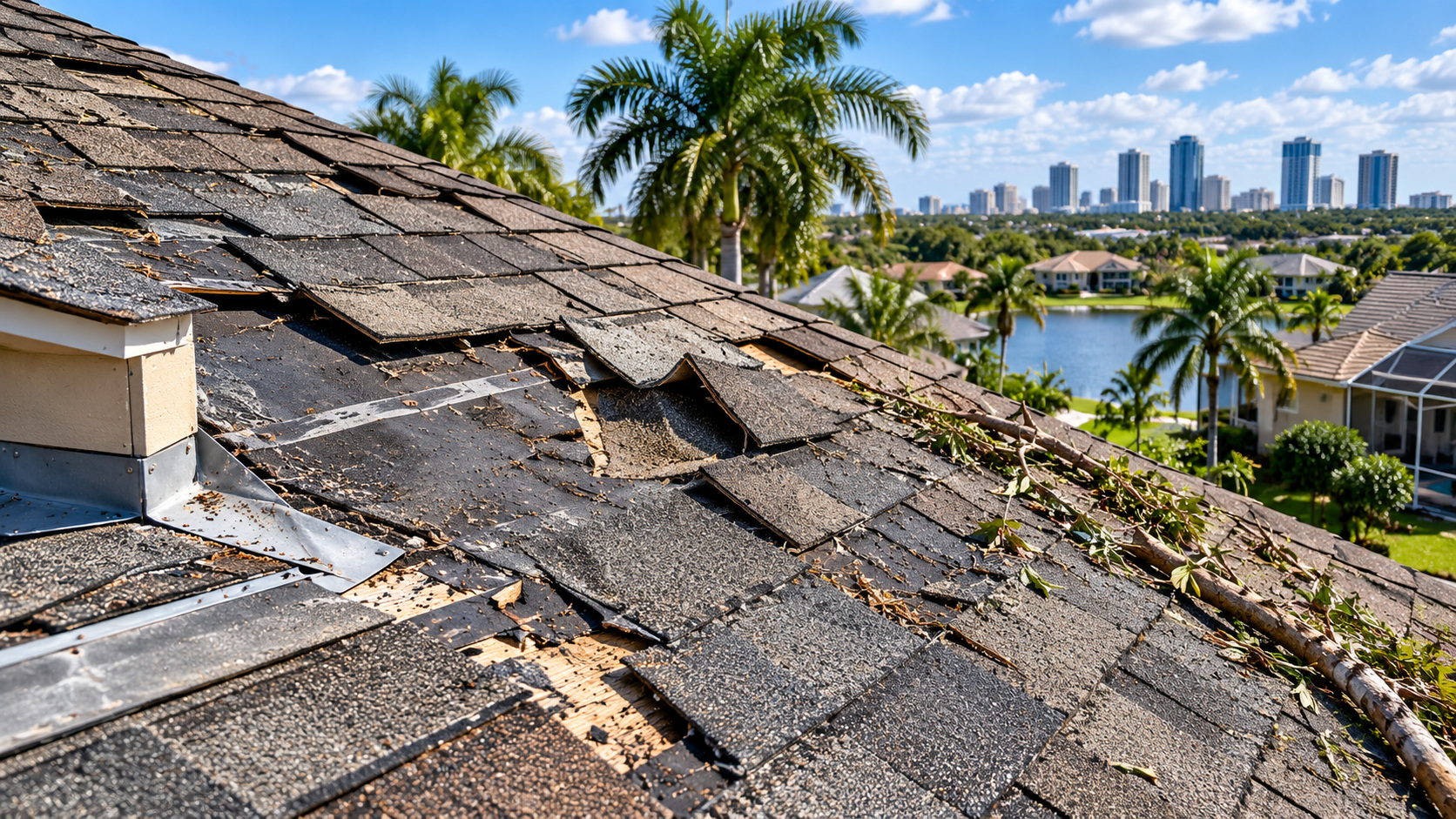
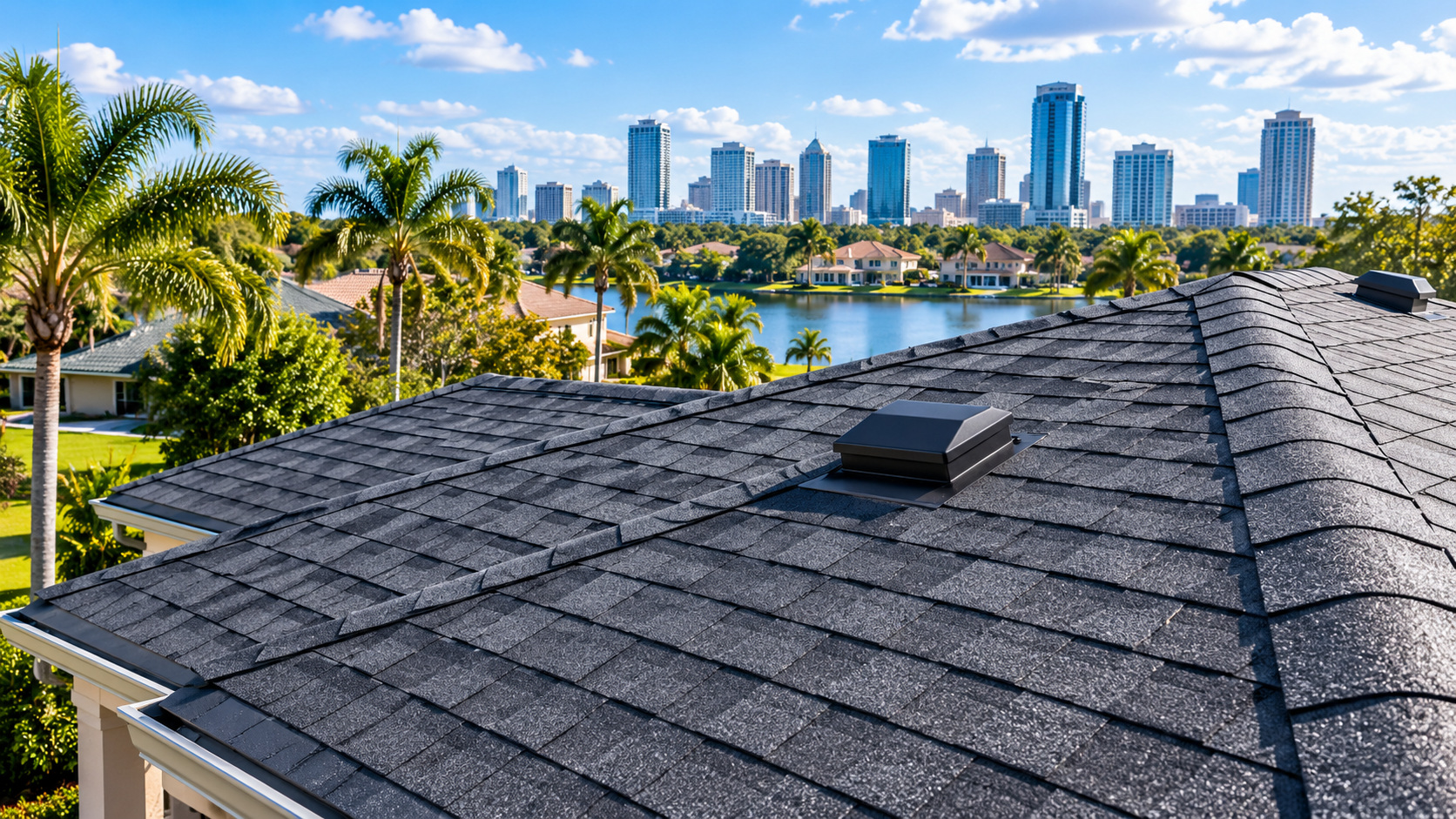
Localized Roof Leak Repair
Typical scope: identify the entry point, repair the failed component, restore surrounding materials and document the completed repair.
Storm Damage Stabilization
Typical scope: inspect wind or impact damage, protect exposed areas and separate urgent stabilization from permanent repairs.
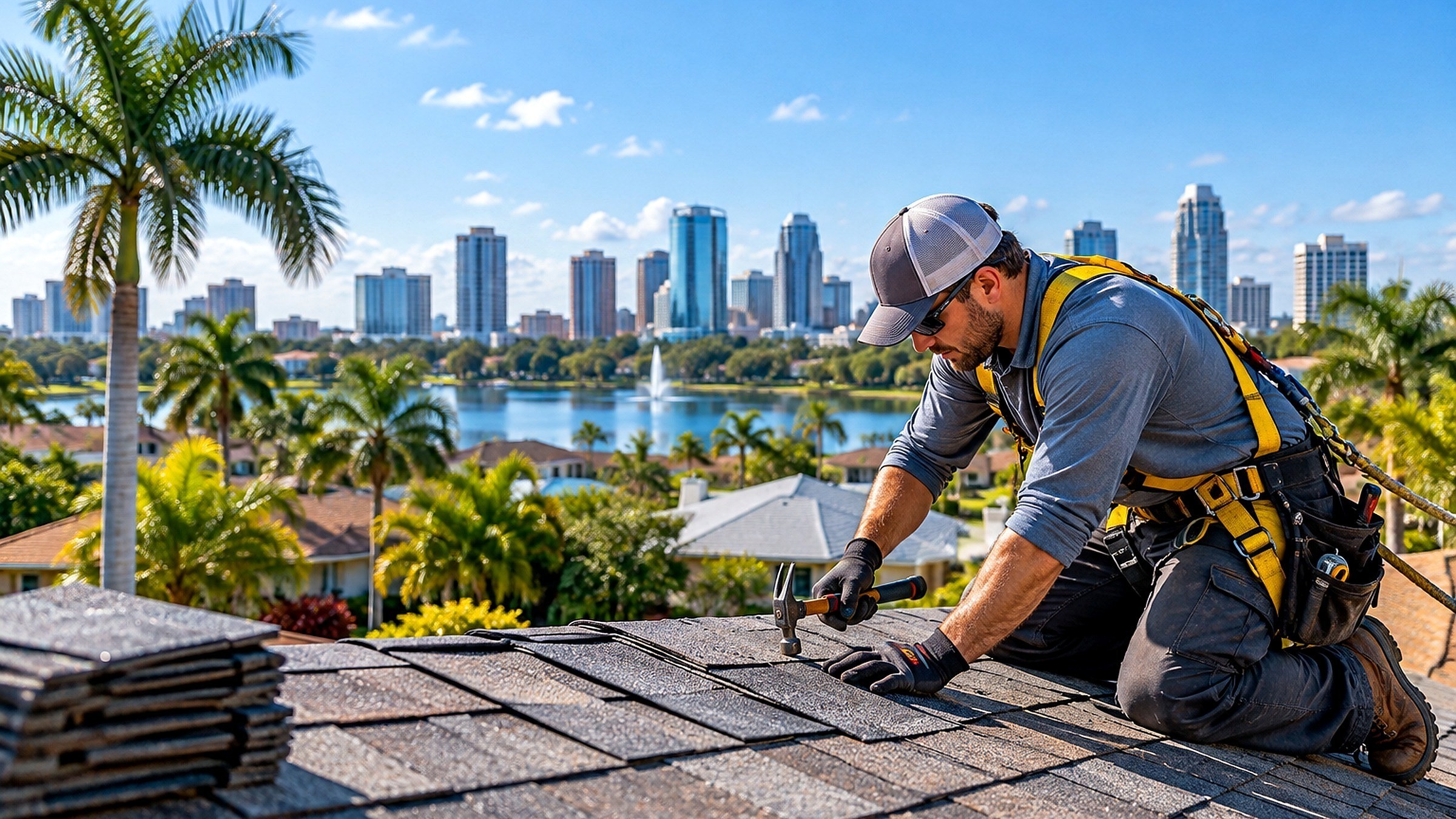
Roof Condition Assessment
Typical scope: inspect coverings, flashing, penetrations, drainage and visible moisture evidence before deciding what needs attention.
Image files include Orlando GPS metadata for local image organization; geotagging does not mean the scene was photographed at the listed map point.
What Customers Have Shared
Customer feedback shown here is based on material already published by the business website. Use the Google Maps listing for the latest independently hosted review information.
“Showed up on time, and left the site cleaner than they found it.”
Published on the business website as customer feedback. See the live listing for additional review information.
View Google Maps ListingHow to evaluate a roofing contractor
Before authorizing work, compare the diagnosis, written scope, insurance documentation, applicable permits and contractor credentials. Ask which parts of the roof were inspected, what evidence supports the repair recommendation, and what documentation you will receive.
Need help with an active roofing problem?
Use this guide to understand the issue, then call to discuss the property and urgency.