
Roof Repair Insurance Documentation: What to Keep
Good records make a roofing project easier to understand later. Photographs, dates, invoices, written scopes and permit records can help preserve a clear project history.
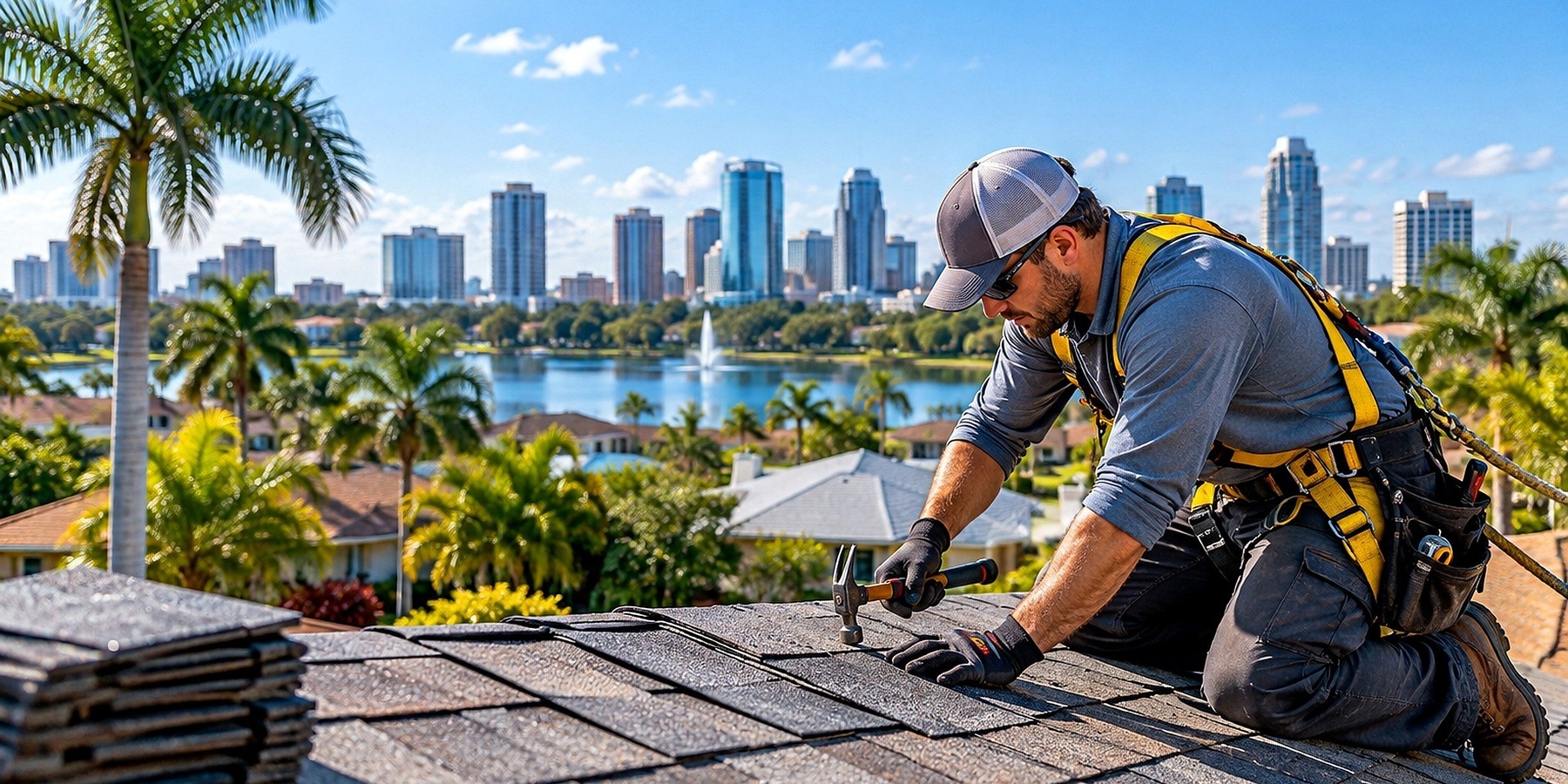
Good records make a roofing project easier to understand later. Photographs, dates, invoices, written scopes and permit records can help preserve a clear project history.
For local homeowners, the useful approach is to connect the symptom to the roof component, explain the evidence that would confirm the diagnosis, and separate urgent action from long-term planning. This guide is written to help with that decision process.
Need local roofing help? Start with the Roof Repair Orlando FL homepage for Orlando roof repair services, emergency guidance and service-area information.
Short answer
Good insurance documentation is a dated evidence file: photos of damage from safe positions before anything is moved, the storm or discovery date, photos of interior effects, every invoice for emergency protection and repair, and written scopes that describe damage at component level. Build it as events happen, because the two things that cannot be recreated later are the pre-repair condition and the timeline.
The file to build
Before: any roof photos you already have (from purchases, prior work) establish pre-loss condition. At the event: dated photos and short videos from the ground, damaged areas, material in the yard, interior stains and drips, and the rooms affected. During mitigation: invoices for tarping or emergency work, with dates and what was done. At assessment: the contractor's written, component-level description and photos, kept separate from their price quote. After: repair invoices and completion photos. Store copies outside the house (cloud or email to yourself) so the file survives the event it documents.
This file supports any conversation, insurer, buyer, or your own planning, because it separates three things claims turn on: what happened, when, and what was pre-existing. The emergency sequence that generates much of it is in emergency roof repair: first steps.
What documentation cannot do
It cannot guarantee a claim outcome, coverage or reimbursement: those are policy decisions made by your insurer under your policy's terms, and no roofer can promise them. What documentation does is remove ambiguity, the most common reason legitimate damage gets disputed is a thin file, not a hostile process. Be equally careful in the other direction: a scope that blends storm damage with pre-existing wear invites exactly the disputes owners complain about, which is why the written assessment should separate the two honestly.
For the repair side of a documented storm event, the route is storm damage roof repair; for disputed leak origins, a roof inspection report provides the neutral condition record.
Keep reading
Emergency roof repair: first steps · Roof damage from a fallen tree
Questions homeowners ask
Should I photograph damage before the tarp goes on?
Yes, that is the single most valuable documentation habit. Once a tarp covers damage, the visual evidence is hidden; dated photos from the ground beforehand preserve it.
What if I have no 'before' photos of my roof?
Start now anyway: today's photos become the next event's 'before' file, and purchase or prior-repair documents often include roof images. Insurers work with the evidence that exists; a file started late beats no file.
Can my roofer talk to my insurer for me?
A roofer can provide documentation and damage descriptions. Interpreting your policy, coverage decisions and claim negotiation are the insurer's and, where engaged, a licensed adjuster's territory, be cautious of anyone who promises claim outcomes.
Before & After Repair Scenarios
These visuals are illustrative examples of common repair scopes, not representations of a specific customer job. Replace them with verified project photography when available.
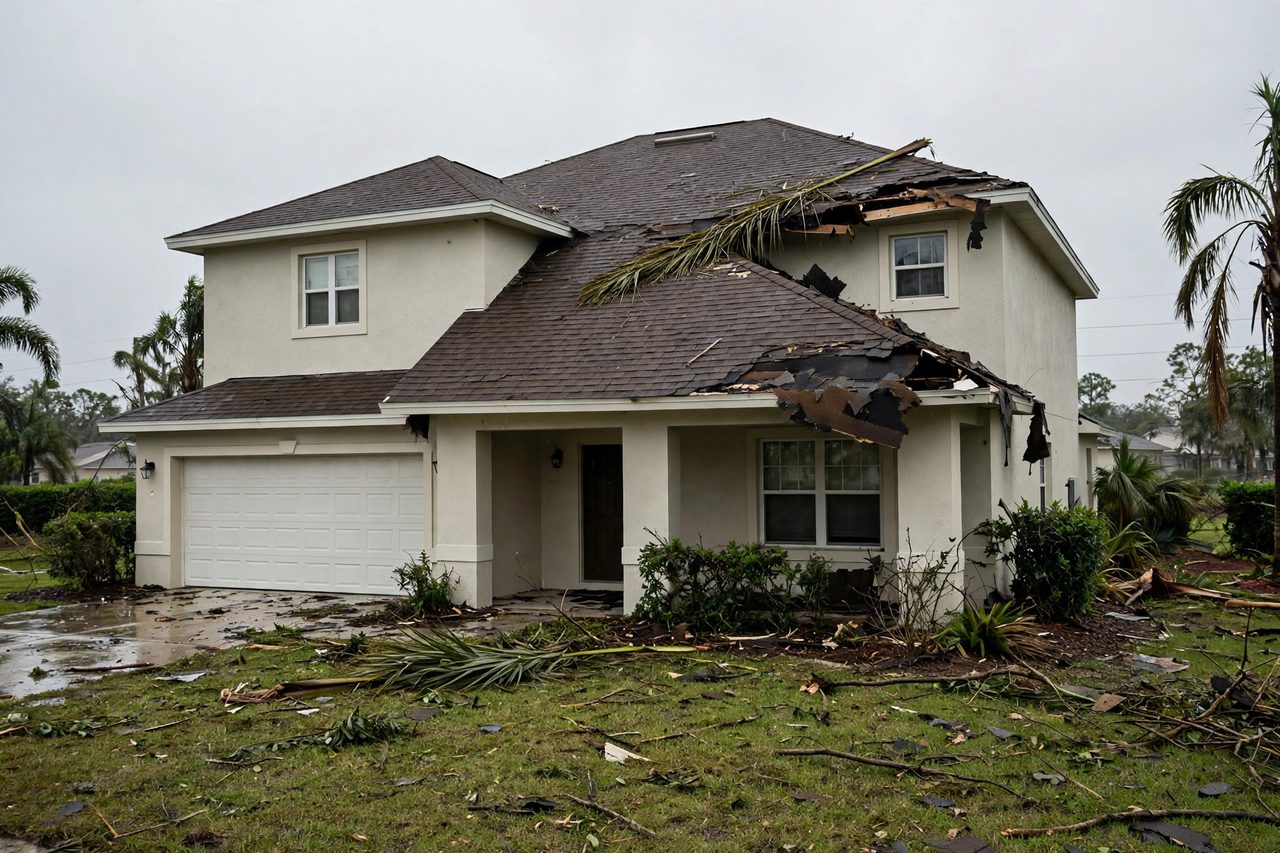
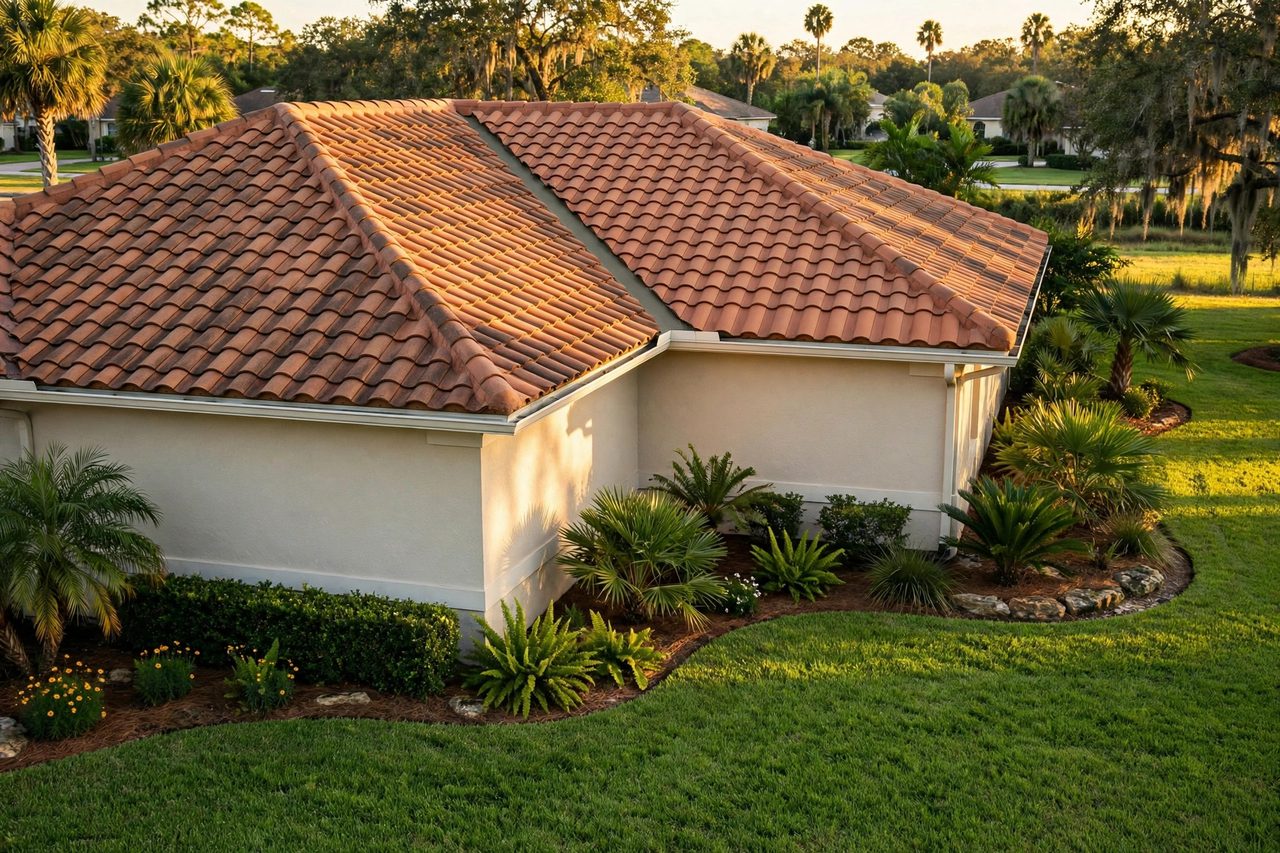
Localized Roof Leak Repair
Typical scope: identify the entry point, repair the failed component, restore surrounding materials and document the completed repair.
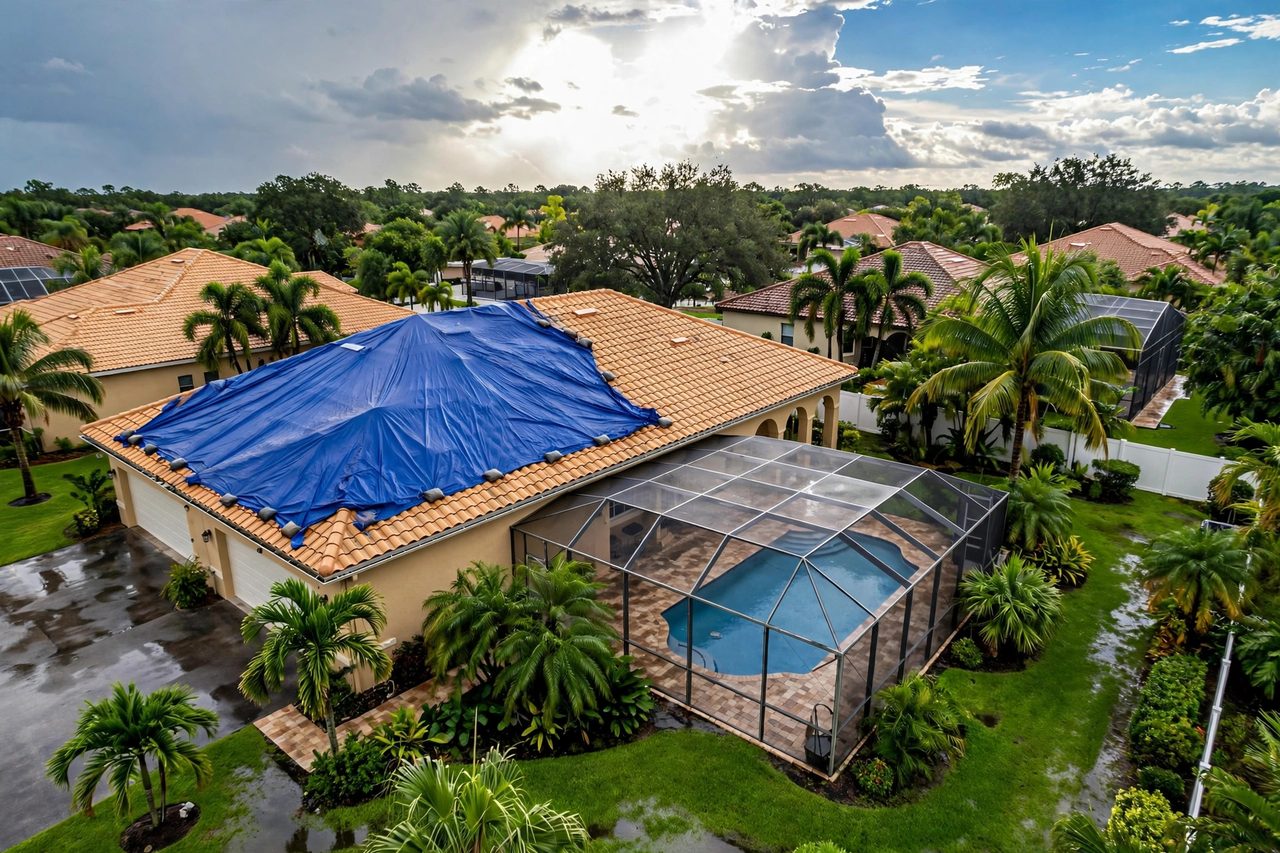
Storm Damage Stabilization
Typical scope: inspect wind or impact damage, protect exposed areas and separate urgent stabilization from permanent repairs.
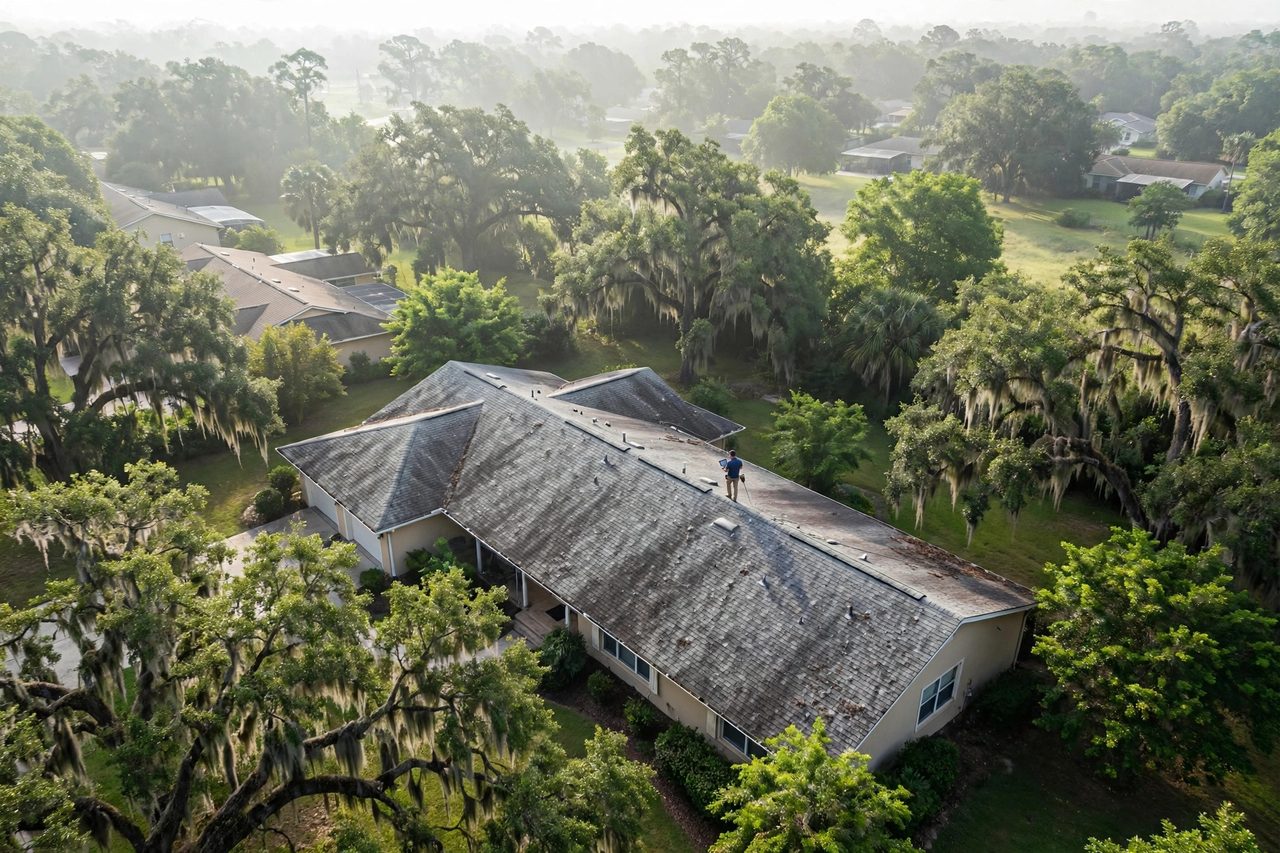
Roof Condition Assessment
Typical scope: inspect coverings, flashing, penetrations, drainage and visible moisture evidence before deciding what needs attention.
Image files include Orlando GPS metadata for local image organization; geotagging does not mean the scene was photographed at the listed map point.
What should a roofer's written report include for an insurance claim?
A useful report includes dated photos of the damage, measurements of the affected area, the roofer's finding on what caused the failure, and a scope of the repair work needed. Insurers decide claims from documentation, so a clear written record from a licensed contractor carries far more weight than a phone summary.
Does insurance cover emergency tarping after a storm in Florida?
Often, yes. Most Florida homeowners policies expect you to prevent further damage after a loss, and reasonable temporary measures like tarping are commonly part of that duty. Keep the invoice, dated photos from before and after, and the roofer's notes, because the adjuster will ask how the home was protected.
How long should I keep roof repair records in Florida?
Keep them for the life of the roof, and pass them to the next owner when you sell. Invoices, warranties, permit records and inspection reports prove maintenance history, which matters for insurance renewals, future claims and resale questions. Digital copies stored with your policy documents are enough if the originals are lost.
What Customers Have Shared
Customer feedback shown here is based on material already published by the business website. Use the Google Maps listing for the latest independently hosted review information.
“Showed up on time, and left the site cleaner than they found it.”
Published on the business website as customer feedback. See the live listing for additional review information.
View Google Maps Listing Leave a Google ReviewHow to evaluate a roofing contractor
Before authorizing work, compare the diagnosis, written scope, insurance documentation, applicable permits and contractor credentials. Ask which parts of the roof were inspected, what evidence supports the repair recommendation, and what documentation you will receive.
Need help with an active roofing problem?
Use this guide to understand the issue, then call to discuss the property and urgency.