
Hail Damage to a Roof: How to Spot It and What to Do in Orlando
Hail is not Orlando's everyday roofing problem, but Central Florida storms do produce it, and hail damage has a particular habit: it shortens a roof's life without necessarily leaking today. This guide explains what hail does to each roof material, what you can check safely from the ground, and how a proper hail assessment separates real damage from storm-season sales pressure.
A missing shingle is an exposed-roof problem because the weather-shedding layer has been interrupted. The surrounding fasteners, underlayment and adjacent shingles also deserve attention.
For local homeowners, the useful approach is to connect the symptom to the roof component, explain the evidence that would confirm the diagnosis, and separate urgent action from long-term planning. This guide is written to help with that decision process.
Need local roofing help? Start with the Roof Repair Orlando FL homepage for Orlando roof repair services, emergency guidance and service-area information.
Short answer
Hail damages roofs by impact: it bruises and fractures shingles (knocking off granules and cracking the mat), cracks or chips tile, and dents metal panels and soft metals like vents and flashing. The tricky part is that shingle hail damage often does not leak immediately — it fails later, at the bruised spots, as the exposed mat ages quickly. That is why the response to a hail event is documentation and a roof-level assessment, not either panic or dismissal.
What hail does to each material
On asphalt shingles, look for random bruising: spots where granules are knocked away and the mat feels soft or fractured under pressure. Pattern matters — true hail marks distribute randomly across slopes facing the storm, while wear and blistering follow sun and age patterns. On tile, hail cracks and chips the tile itself; the waterproofing question is whether the underlayment beneath took the impact too. On metal, hail dents panels (often cosmetic) but can crack coatings and damage seams and soft-metal details, which is where leaks start.
From the ground, your best evidence is collateral: dented gutters, downspouts, vent caps and window screens tell you hail reached damaging size at your property, and granules collecting heavily after the storm support the shingle story. Photograph all of it, dated, along with any material in the yard. The assessment service is hail damage roof repair, which begins with an inspection that maps marks by slope and material.
Hail claims and honest assessments
Hail sits at the centre of a lot of storm-season pressure selling, so insist on evidence standards: marks should be shown in photos, distributed consistently with a storm event, and distinguished from wear, blistering and mechanical damage, which insurers also distinguish. A credible assessment will tell you when damage is cosmetic, when it is functional, and when there is no hail damage at all — all three are real outcomes and a provider who only ever finds one of them is telling you something.
Documentation discipline is the same as for any storm event — dated photos before anything is moved, interior effects recorded, invoices kept — laid out in roof repair insurance documentation. No contractor can promise a claim outcome; what they can provide is a clean, component-level record. Where hail has opened the roof or started leaks, the sequencing follows storm damage roof repair.
Keep reading
What to do about a missing shingle after a storm · Roof repair insurance documentation: what to keep
Questions homeowners ask
Does hail damage always leak straight away?
No — shingle bruising typically fails later as the damaged mat weathers. That delayed pattern is exactly why post-hail documentation and assessment matter even with a dry ceiling.
Can I tell from the ground whether my roof has hail damage?
You can gather supporting evidence (dented soft metals, heavy granule loss, damaged screens) but confirming shingle fractures or tile underlayment damage requires a roof-level look. Ground evidence decides whether that look is worth booking.
Is hail common enough in Orlando to worry about?
It is occasional rather than routine — which cuts both ways: do not assume every storm caused damage, and do not assume Orlando roofs never take hail. Evidence at your property decides.
Before & After Repair Scenarios
These visuals are illustrative examples of common repair scopes, not representations of a specific customer job. Replace them with verified project photography when available.
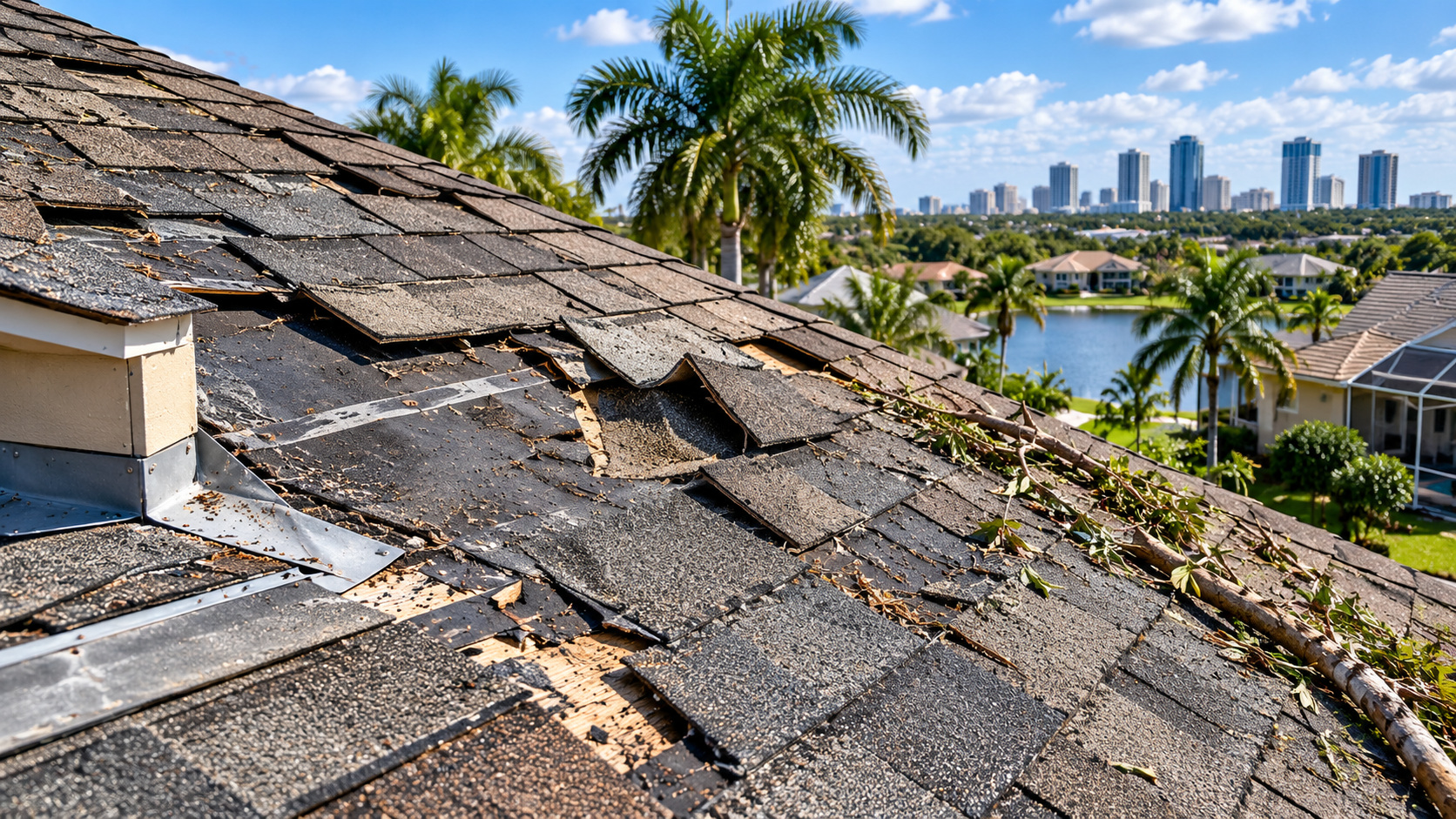
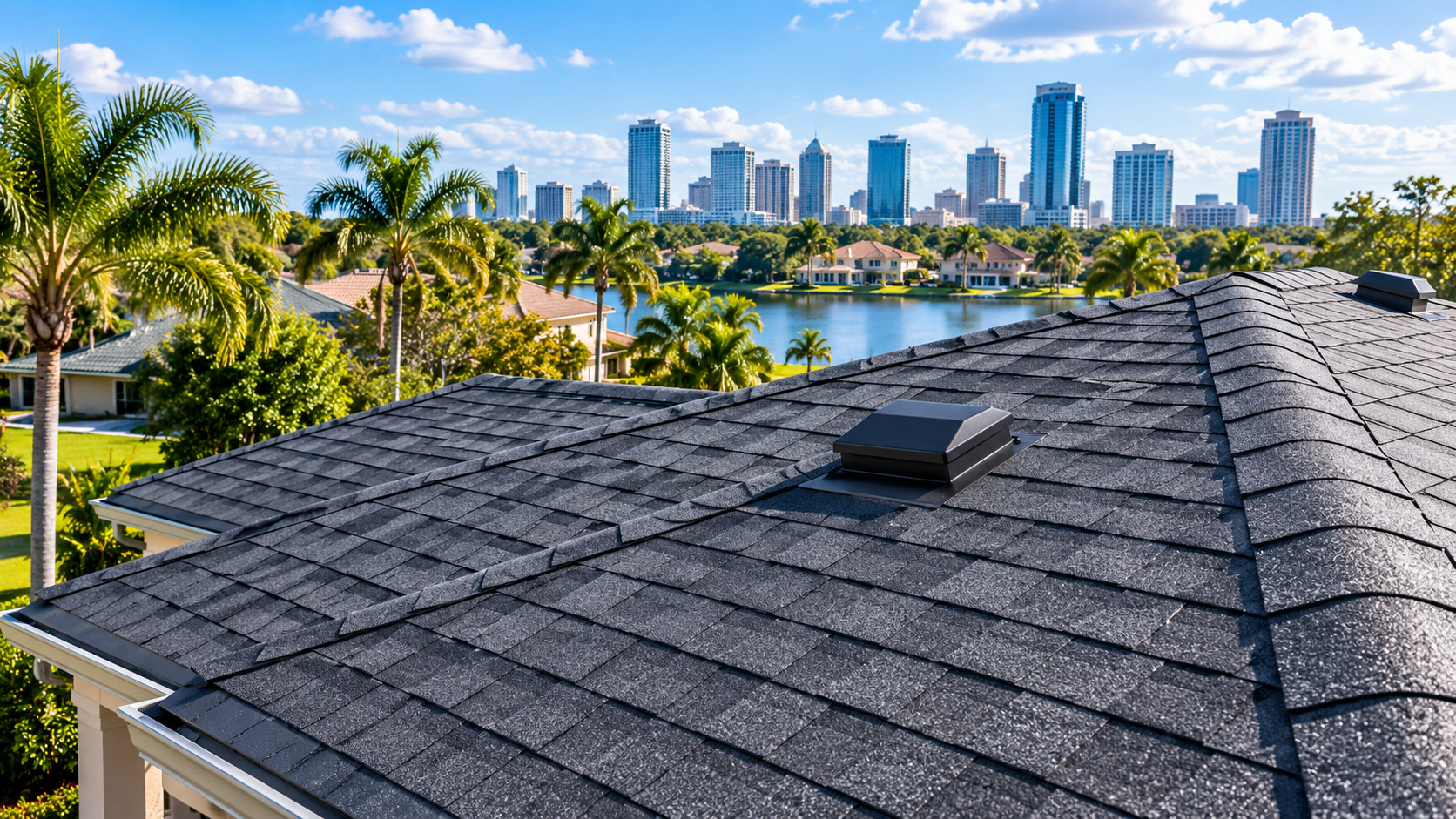
Localized Roof Leak Repair
Typical scope: identify the entry point, repair the failed component, restore surrounding materials and document the completed repair.
Storm Damage Stabilization
Typical scope: inspect wind or impact damage, protect exposed areas and separate urgent stabilization from permanent repairs.

Roof Condition Assessment
Typical scope: inspect coverings, flashing, penetrations, drainage and visible moisture evidence before deciding what needs attention.
Image files include Orlando GPS metadata for local image organization; geotagging does not mean the scene was photographed at the listed map point.
What Customers Have Shared
Customer feedback shown here is based on material already published by the business website. Use the Google Maps listing for the latest independently hosted review information.
“Showed up on time, and left the site cleaner than they found it.”
Published on the business website as customer feedback. See the live listing for additional review information.
View Google Maps ListingHow to evaluate a roofing contractor
Before authorizing work, compare the diagnosis, written scope, insurance documentation, applicable permits and contractor credentials. Ask which parts of the roof were inspected, what evidence supports the repair recommendation, and what documentation you will receive.
Need help with an active roofing problem?
Use this guide to understand the issue, then call to discuss the property and urgency.