
Signs of Water Damage in the Attic
Attic clues can reveal roof problems before a ceiling stain becomes dramatic. Moisture evidence, stained sheathing, damp insulation or deteriorated wood can help narrow the search.

Attic clues can reveal roof problems before a ceiling stain becomes dramatic. Moisture evidence, stained sheathing, damp insulation or deteriorated wood can help narrow the search.
For local homeowners, the useful approach is to connect the symptom to the roof component, explain the evidence that would confirm the diagnosis, and separate urgent action from long-term planning. This guide is written to help with that decision process.
Need local roofing help? Start with the Roof Repair Orlando FL homepage for Orlando roof repair services, emergency guidance and service-area information.
Short answer
Attic water damage shows as dark trails or staining on the underside of the decking, damp or matted insulation, rusted nail tips, a musty smell that strengthens after rain, and — most tellingly — patterns: moisture that tracks from a penetration, a valley line or a wall junction points back to the entry point above it. Reading those patterns from the attic hatch is the safest diagnostic a homeowner can do.
What to look for, safely, from the hatch
You do not need to crawl the attic: from the hatch with a strong torch you can see most of the evidence. Dark streaks on decking usually run downhill from their entry point, so follow them up. Wet insulation directly under a stain localises the problem; insulation that is damp everywhere suggests condensation or ventilation trouble instead. Daylight visible around a pipe or at a ridge is an open path. Photograph what you see with dates — attic photos are prime diagnostic evidence.
Distinguish old from active: dry, dusty staining with no smell may be a historical leak already repaired, while dark, damp or growing marks after recent rain are active. Marking a stain's edge with pencil and checking after the next rain is a simple, genuinely useful test. If you find active entry, the repair route begins with locating the component above the trail, through leak diagnostics when it is not obvious.
Damage that is not from the roof at all
Attics collect other water: air-conditioning condensate lines and pans, plumbing vents that end inside the attic, and bathroom exhaust ducts that were never connected outside. Each produces moisture that homeowners understandably blame on the roof. The patterns differ — AC moisture follows equipment and runs in summer regardless of rain; duct moisture localises at the duct end — and a competent diagnosis checks these before any roof work is quoted.
For the roof-side causes behind attic evidence, read what causes roof leaks in Orlando; for vent-related moisture specifically, see roof vent leaks and ventilation problems. When attic evidence shows the covering or underlayment has been wet for a long time, expect the roof inspection conversation to include decking condition, not just the entry repair.
Keep reading
What causes roof leaks in Orlando · Roof vent leaks and ventilation problems
Questions homeowners ask
Is it safe to inspect my own attic?
From the hatch or a boarded walkway, yes, with a torch and care in Florida heat — attics overheat quickly, so keep it brief and go in the morning. Walking on joists or insulation is where injuries and ceiling damage happen.
Dark stains on my decking — is the roof leaking now?
Not necessarily: stains persist after repairs. Test activity by marking edges and re-checking after rain, or by moisture feel; an assessor can confirm with the pattern and the roof above it.
Mould in the attic means a roof leak, right?
Not always: mould follows moisture, and moisture can be condensation or duct/AC water. Finding the moisture source is the diagnosis; treating mould without fixing the source just schedules its return.
Before & After Repair Scenarios
These visuals are illustrative examples of common repair scopes, not representations of a specific customer job. Replace them with verified project photography when available.
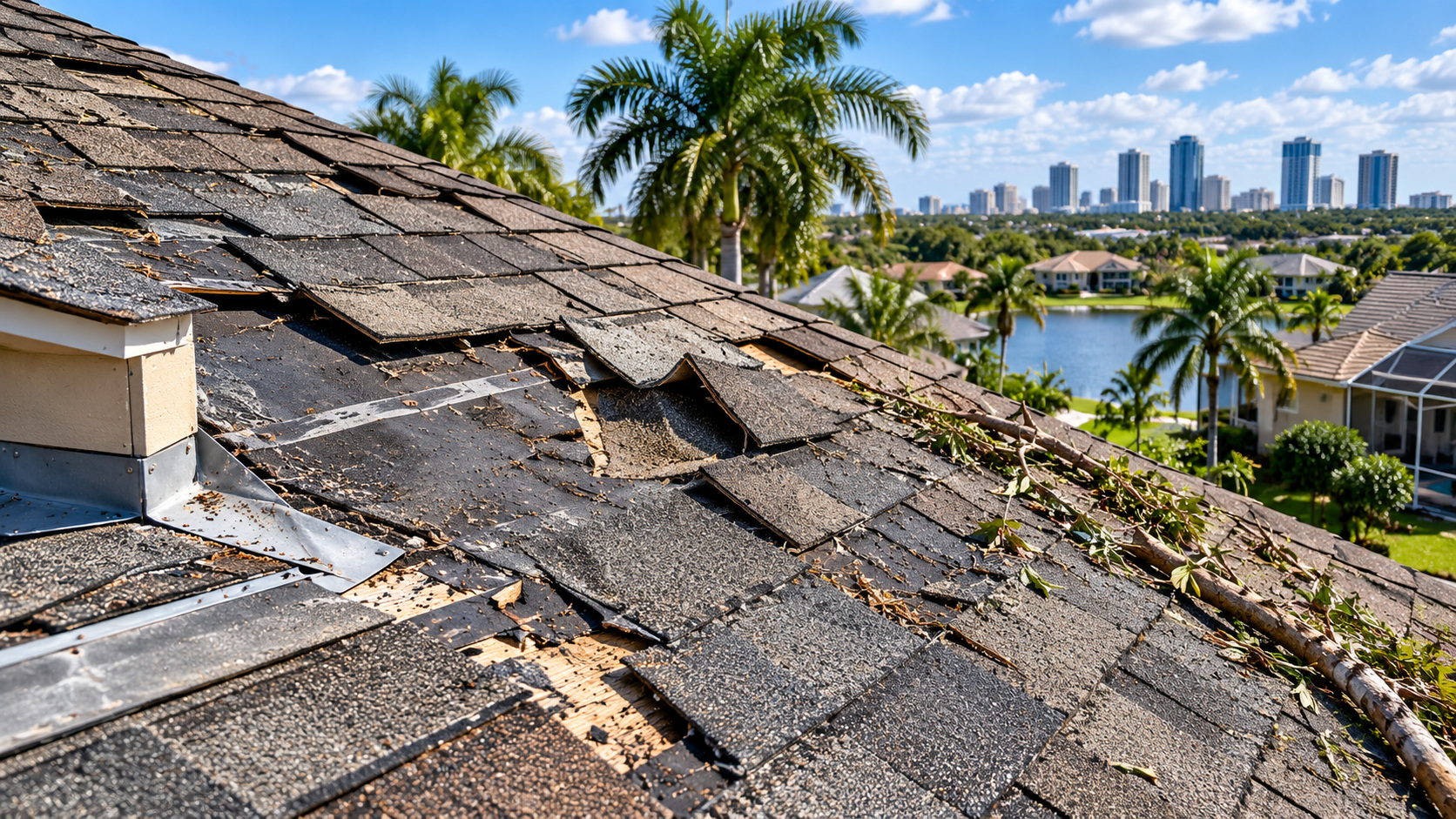
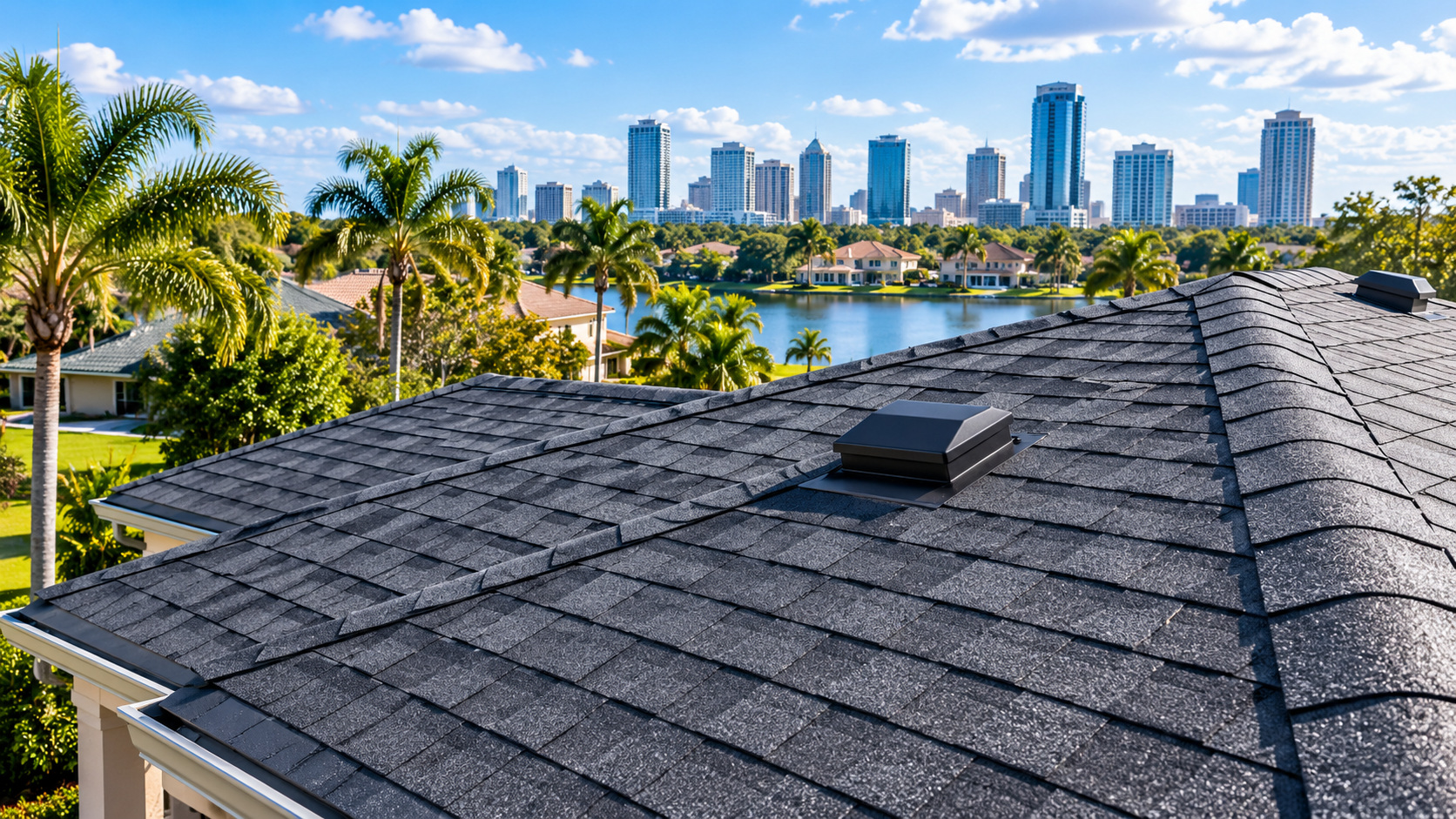
Localized Roof Leak Repair
Typical scope: identify the entry point, repair the failed component, restore surrounding materials and document the completed repair.
Storm Damage Stabilization
Typical scope: inspect wind or impact damage, protect exposed areas and separate urgent stabilization from permanent repairs.

Roof Condition Assessment
Typical scope: inspect coverings, flashing, penetrations, drainage and visible moisture evidence before deciding what needs attention.
Image files include Orlando GPS metadata for local image organization; geotagging does not mean the scene was photographed at the listed map point.
What Customers Have Shared
Customer feedback shown here is based on material already published by the business website. Use the Google Maps listing for the latest independently hosted review information.
“Showed up on time, and left the site cleaner than they found it.”
Published on the business website as customer feedback. See the live listing for additional review information.
View Google Maps ListingHow to evaluate a roofing contractor
Before authorizing work, compare the diagnosis, written scope, insurance documentation, applicable permits and contractor credentials. Ask which parts of the roof were inspected, what evidence supports the repair recommendation, and what documentation you will receive.
Need help with an active roofing problem?
Use this guide to understand the issue, then call to discuss the property and urgency.