
Hurricane Roof Repair in Orlando, FL
Hurricane roof repair in Orlando, FL addresses the damage Atlantic storms leave behind: wind uplift that peels shingle courses, broken and displaced tile, debris impact, and water intrusion through every loosened detail. Repairs follow the Florida Building Code for wind resistance, from deck nailing and secondary water barrier standards to roof to wall connections and hurricane straps.
Roof Repair After a Hurricane in Orlando: The Correct Sequence
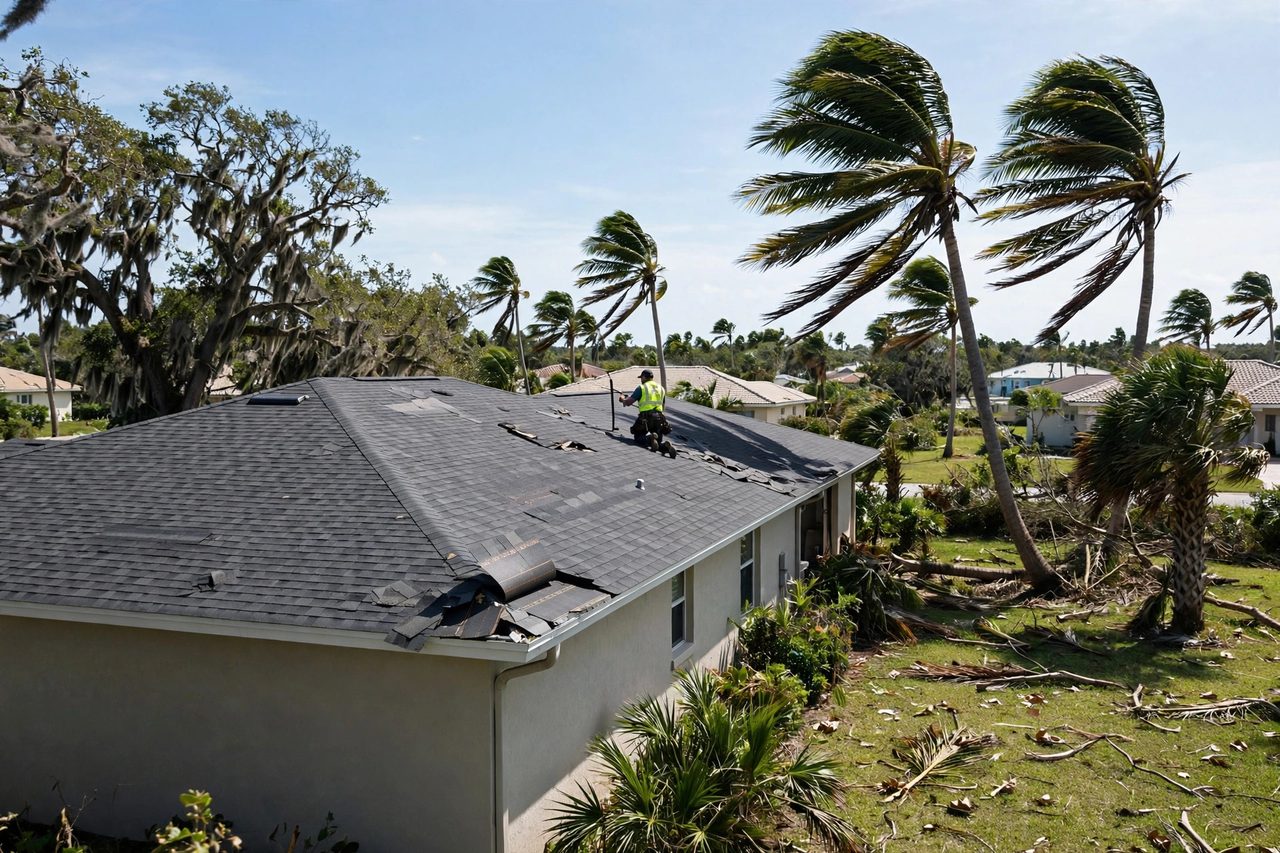
Safety and documentation come first: photograph the damage, protect the interior and secure temporary cover. Then a roof level inspection maps what the wind actually loosened, including creased shingles and displaced tiles invisible from the street, before any permanent scope is written or an adjuster visit happens.
The wider storm program connects here: urgent help under emergency roof repair orlando, general storm scoping under storm damage roof repair orlando, wind specific failures under wind damage roof repair orlando, and condition baselines under roof inspection orlando.
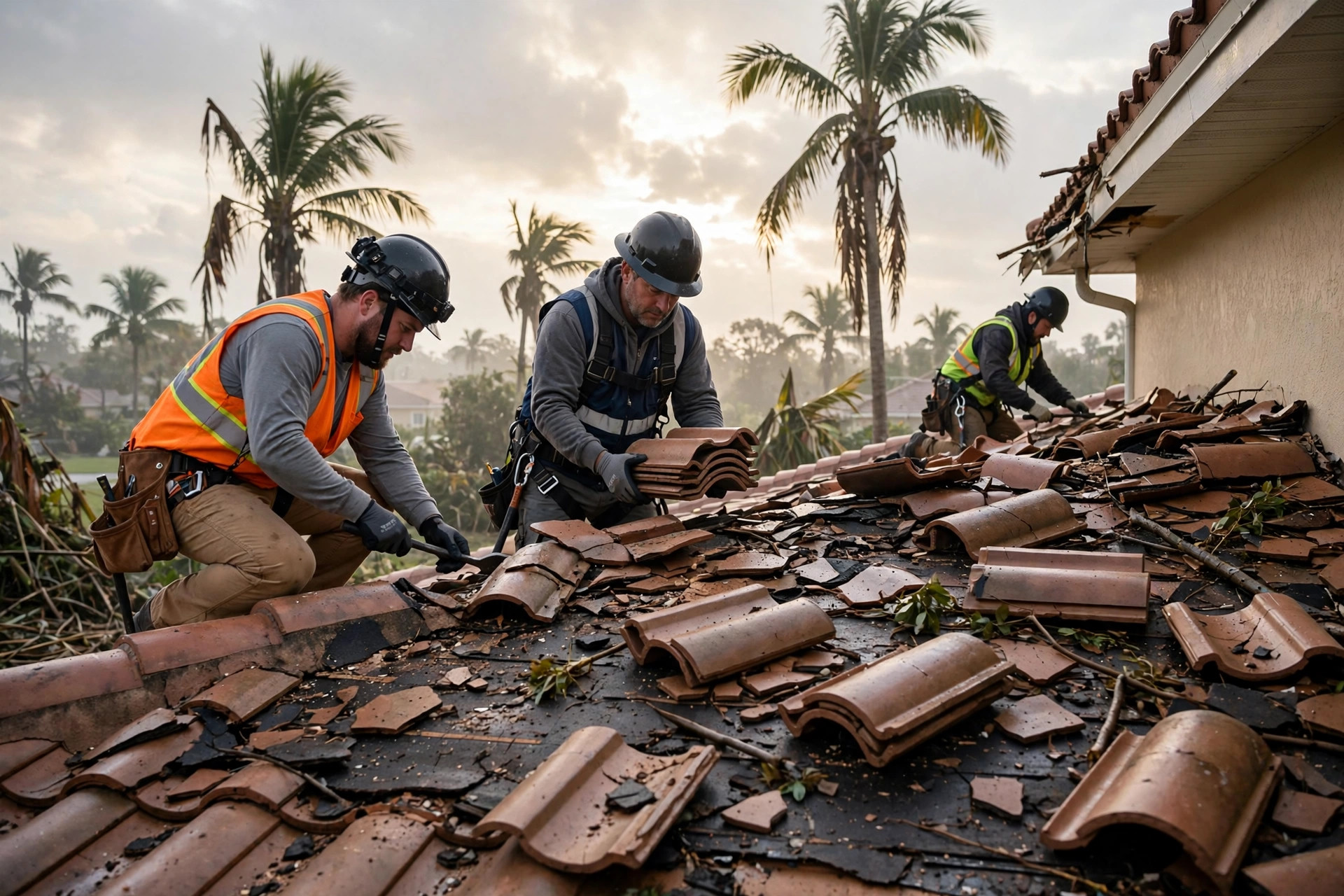
Hurricanes attack roofs with hours of wind, driven rain and debris, and the damage pattern differs from an ordinary storm: edges and ridges work loose first, then water finds every weak detail. This page covers post-hurricane assessment, repair scopes and the documentation that supports them.
Orlando-wide roof repair context: See the Roof Repair Orlando FL homepage for the broader repair, inspection, storm, emergency and local service overview.
Hurricane damage has its own pattern
Hurricanes combine hours of wind, wind-driven rain and flying debris, and each force attacks different details. Sustained wind works shingles and tiles loose at edges and ridges first, then peels from those openings. Driven rain finds flashing gaps, vents and laps that ordinary rain never reaches. Debris cracks tiles and punctures coverings. A post-hurricane assessment reads that pattern slope by slope, because the windward and leeward sides of the same roof can be in completely different condition.
Before the storm and after landfall
The highest-value hurricane repair happens before the season: securing loose tiles and shingles, renewing failed sealant and boots, and checking ridge and edge details. After a storm, the sequence is safety first (power lines, unstable trees), then temporary protection for openings, then documented assessment. Do not climb onto a damaged, wet roof to survey it yourself; ground photos and professional assessment cover what an insurer needs.
What post-hurricane repairs typically involve
Common scopes: replacing sections of wind-stripped shingles or broken tiles with underlayment checked and renewed beneath, replacing damaged ridge and hip material, repairing flashing torn at walls and chimneys, fixing punctured decking, and drying and checking the attic after prolonged driven rain. Where a roof was near the end of its service life, hurricane damage can change the repair-versus-replace calculation, and that discussion should be evidence-based, as set out on the repair versus replacement page.
Documentation after a hurricane
Hurricane claims live on documentation: dated before-and-after photos where available, the storm date, a written, component-level description of damage, and records of emergency mitigation. Our roof repair insurance documentation guide explains what to keep. No roofer can promise a claim will be approved; what a roofer controls is the quality and honesty of the evidence and the correctness of the repair scope.
Related roofing services
Depending on the evidence, this repair may connect to roof inspection, roof leak diagnostics, storm damage roof repair, or another component-specific service.
Need roof repair in Orlando?
Start with the roof problem you can see, then get a property-specific assessment and clear next steps.
Before & After Repair Scenarios
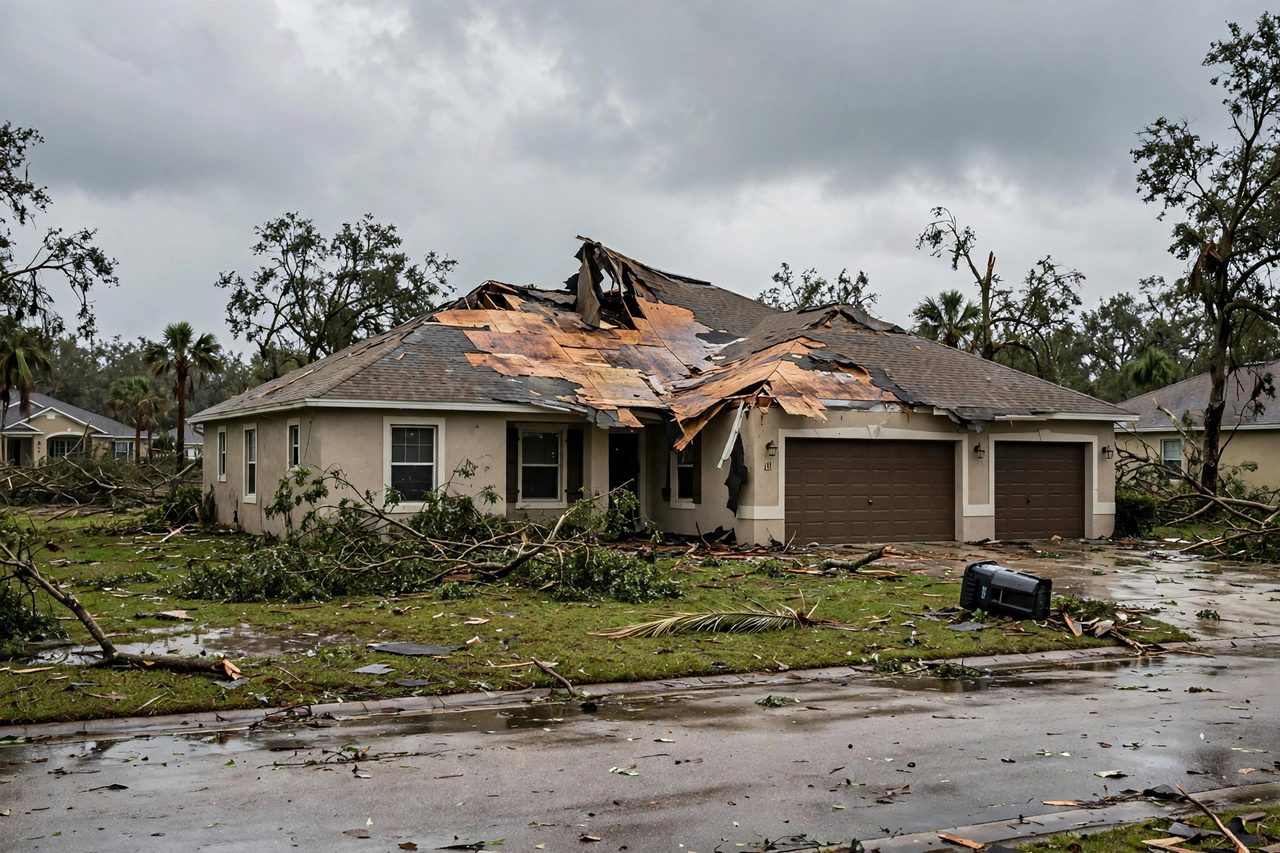
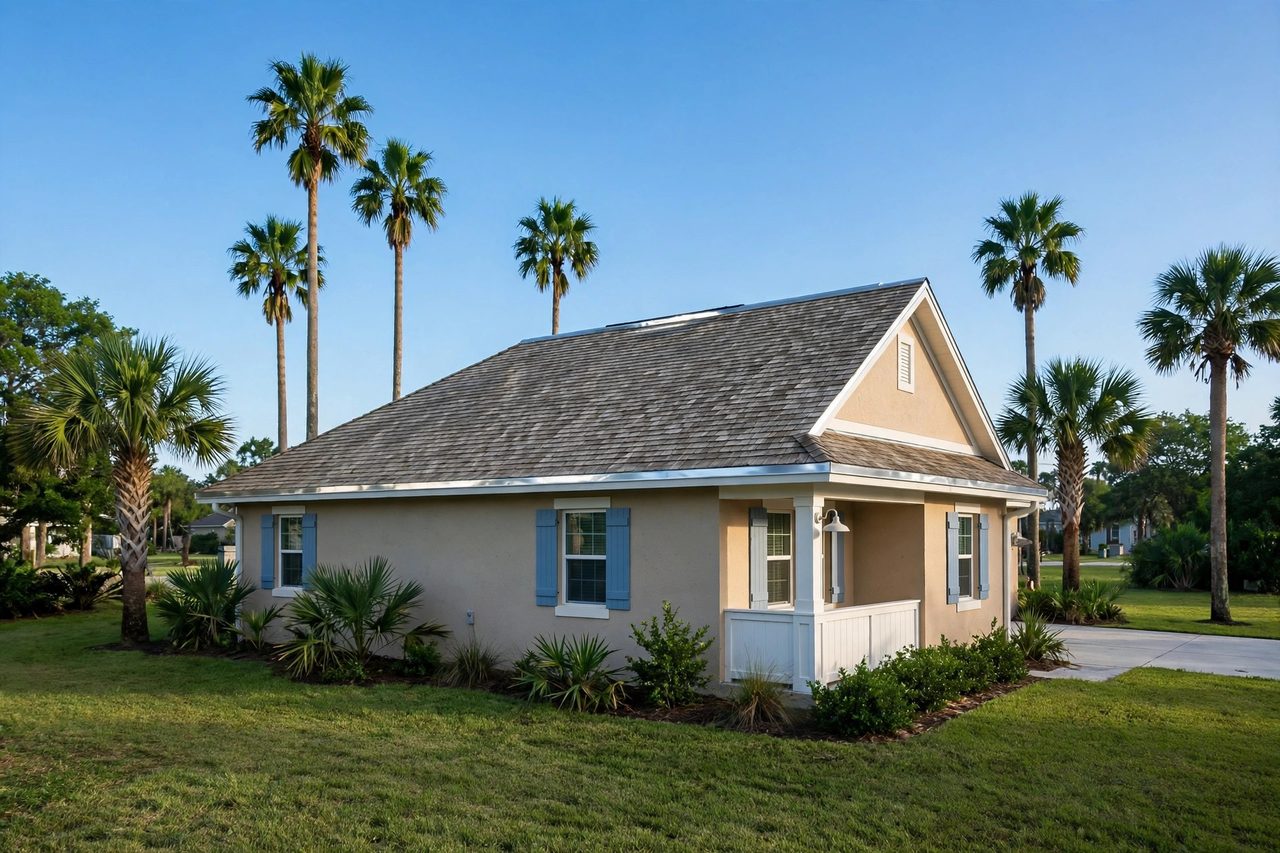
These visuals are illustrative examples of common repair scopes, not representations of a specific customer job. Replace them with verified project photography when available.
Localized Roof Leak Repair
Typical scope: identify the entry point, repair the failed component, restore surrounding materials and document the completed repair.
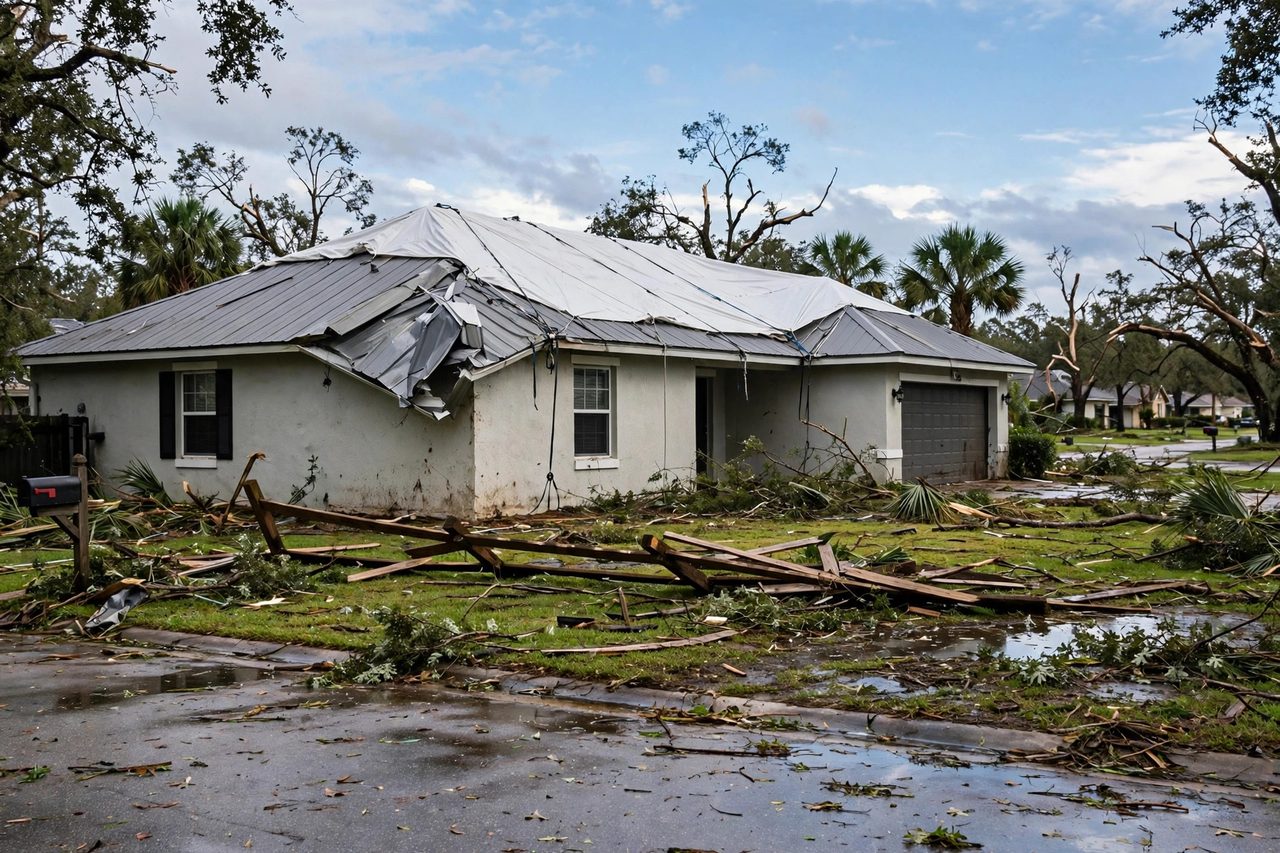
Storm Damage Stabilization
Typical scope: inspect wind or impact damage, protect exposed areas and separate urgent stabilization from permanent repairs.
Roof Condition Assessment
Typical scope: inspect coverings, flashing, penetrations, drainage and visible moisture evidence before deciding what needs attention.
Image files include Orlando GPS metadata for local image organization; geotagging does not mean the scene was photographed at the listed map point.
What Customers Have Shared
Customer feedback shown here is based on material already published by the business website. Use the Google Maps listing for the latest independently hosted review information.
“Showed up on time, and left the site cleaner than they found it.”
Published on the business website as customer feedback. See the live listing for additional review information.
View Google Maps Listing Leave a Google ReviewHow to evaluate a roofing contractor
Before authorizing work, compare the diagnosis, written scope, insurance documentation, applicable permits and contractor credentials. Ask which parts of the roof were inspected, what evidence supports the repair recommendation, and what documentation you will receive.
Find Roof Repair Orlando FL on Google Maps
The map below uses the location supplied for this website. Confirm availability before traveling and use the direct Google Maps listing for navigation.
How Much Does Hurricane Roof Repair Cost in Orlando?
Hurricane repairs in Orlando span the full repair market. Published pricing guides put most roof repairs between $175 and $1,300 per job, which covers limited work such as replacing a small wind lifted section or resealing flashing. Once damage spreads, larger partial section repairs run $1,300 to $4,700, and widespread loss can push a roof toward replacement instead. The deciding factor is how much of each roof section the storm actually damaged.
Post storm pricing also depends on sequence and paperwork. Temporary protection usually comes first, then a documented inspection, then the permanent repair, and each stage is scoped separately. Insurers expect dated photos and a clear record of the damage before repairs begin, so documentation time is part of the job. Where a section passes the Florida Building Code 25 percent threshold, repair scope grows as well. Main factors are below.
- How much of each roof section the wind damaged
- Temporary tarping or cover needed before permanent repair
- Underlayment and deck exposure after material loss
- Documentation and photos prepared for the insurance file
- Florida Building Code 25 percent rule on damaged sections
- Material availability and matching after a major storm
These figures are typical Orlando market ranges from published local pricing guides (2026). They are not a quote from us. Your exact price is set only after a free inspection, and you receive a written estimate before any work starts. Read the full Orlando roof cost guide.
Hurricane Roof Repair FAQs
Is hurricane damage different from normal storm damage?
It is storm damage at greater scale and duration: more wind cycles, longer driven-rain exposure and more debris. The repair principles are the same, but the assessment must be more systematic, slope by slope.
Should I get my roof checked even if I have no leak after a hurricane?
Yes, if the storm was significant. Lifted seals and cracked tiles may not leak until the next ordinary rain works them loose further. An early check converts many later leaks into minor repairs.
Can hurricane repairs be phased?
Yes: mitigation first, then permanent repairs by priority and slope. Phasing is normal after major storms when materials and schedules are stretched, as long as openings stay protected in the meantime.
Will you tell me if my roof needed work before the hurricane?
A credible assessment separates storm damage from pre-existing wear, because mixing them undermines both your claim and your trust in the scope. Expect that distinction in writing.
How should I prepare my roof for hurricane season in Orlando?
Before June, have loose or lifted shingles resealed, flashing and vent boots checked, dead branches over the roof trimmed and gutters cleared. Photograph the roof condition for your records. Small maintenance done in spring is far cheaper than emergency work in the first week after a storm.
Does homeowners insurance cover hurricane roof damage in Florida?
Hurricane damage is generally covered under Florida homeowners policies, often with a separate hurricane deductible calculated as a percentage of the insured value. Documentation decides outcomes: dated photos, an inspection report and proof of temporary mitigation. Review your deductible before storm season, not after landfall.
What wind speed is a Florida roof built to withstand?
The Florida Building Code sets design wind speeds by location and building category; inland Orlando requirements are lower than coastal zones but still demand rated materials, correct fastener patterns and sealed roof decks on newer work. Older roofs predate some standards, which is why inspections focus on connections and deck attachment.
Ready for the next step?
Share the symptom, property location and urgency so the right roofing service can be identified.