
How to Prepare Your Roof for Hurricane Season
Hurricane preparation is most useful before a storm watch turns into an urgent repair call. The goal is to address known weaknesses, clear drainage paths and know what to do if damage occurs.
Hurricane preparation is most useful before a storm watch turns into an urgent repair call. The goal is to address known weaknesses, clear drainage paths and know what to do if damage occurs.
For local homeowners, the useful approach is to connect the symptom to the roof component, explain the evidence that would confirm the diagnosis, and separate urgent action from long-term planning. This guide is written to help with that decision process.
Need local roofing help? Start with the Roof Repair Orlando FL homepage for Orlando roof repair services, emergency guidance and service-area information.
Short answer
Preparing a roof for hurricane season means finding and fixing the small failures that wind and driven rain exploit: loose or creased shingles and tiles, weak edges and ridges, tired flashing and seals, blocked drainage, and trees close enough to become debris. It is inspection-and-repair work done in the calm months, not a product you buy in the week before a storm. Official readiness guidance from the National Hurricane Center and NOAA is linked below.
The pre-season sequence that actually matters
Start with a roof-level inspection while the weather is calm: edges, ridges and hips checked for lift; seals and flashing checked for the cracks that driven rain finds; valleys and gutters cleared and flowing; penetrations resealed or renewed where they have aged out. Each of these is a small repair in spring and a leak or a lost slope in September. The service route for the check itself is roof inspection, with findings feeding ordinary repairs.
Trees are the second half of preparation: branches overhanging the roof should be trimmed back by a tree professional before the season, because in a storm they become both impact debris and a grinding contact on the covering. Check the yard, too, for anything that becomes a projectile, that is general storm readiness, and the National Hurricane Center's preparedness pages at nhc.noaa.gov/prepare cover the household side thoroughly.
What preparation cannot do
No preparation makes a roof hurricane-proof, and no contractor should promise a roof will survive a named storm: outcomes depend on the storm, the roof's age and condition, and chance. What preparation changes is the distribution of damage, maintained edges and sound seals are the difference between a repairable slope and an opened roof in the same wind. After a storm, resist the urge to judge from the ground alone; the post-storm process is in our missing shingle after a storm guide, and storm-opened roofs route to storm damage roof repair.
Keep reading
What to do about a missing shingle after a storm · How to handle roof tarping after a storm
Questions homeowners ask
When should I prepare my roof for hurricane season?
In the calm months before June, when inspections and small repairs are easy to schedule. The same work attempted during an active storm threat competes with every emergency call in the region.
Should I install a tarp before a hurricane as a precaution?
No: tarps are post-damage protection. A tarp installed on a sound roof creates its own wind-catch and fastener damage. Preparation is repair and trimming, not covering.
Where can I read official hurricane readiness guidance?
The National Hurricane Center (nhc.noaa.gov/prepare) and NOAA publish the standard household preparedness guidance for the Atlantic season, including what to do before, during and after a storm.
Before & After Repair Scenarios
These visuals are illustrative examples of common repair scopes, not representations of a specific customer job. Replace them with verified project photography when available.
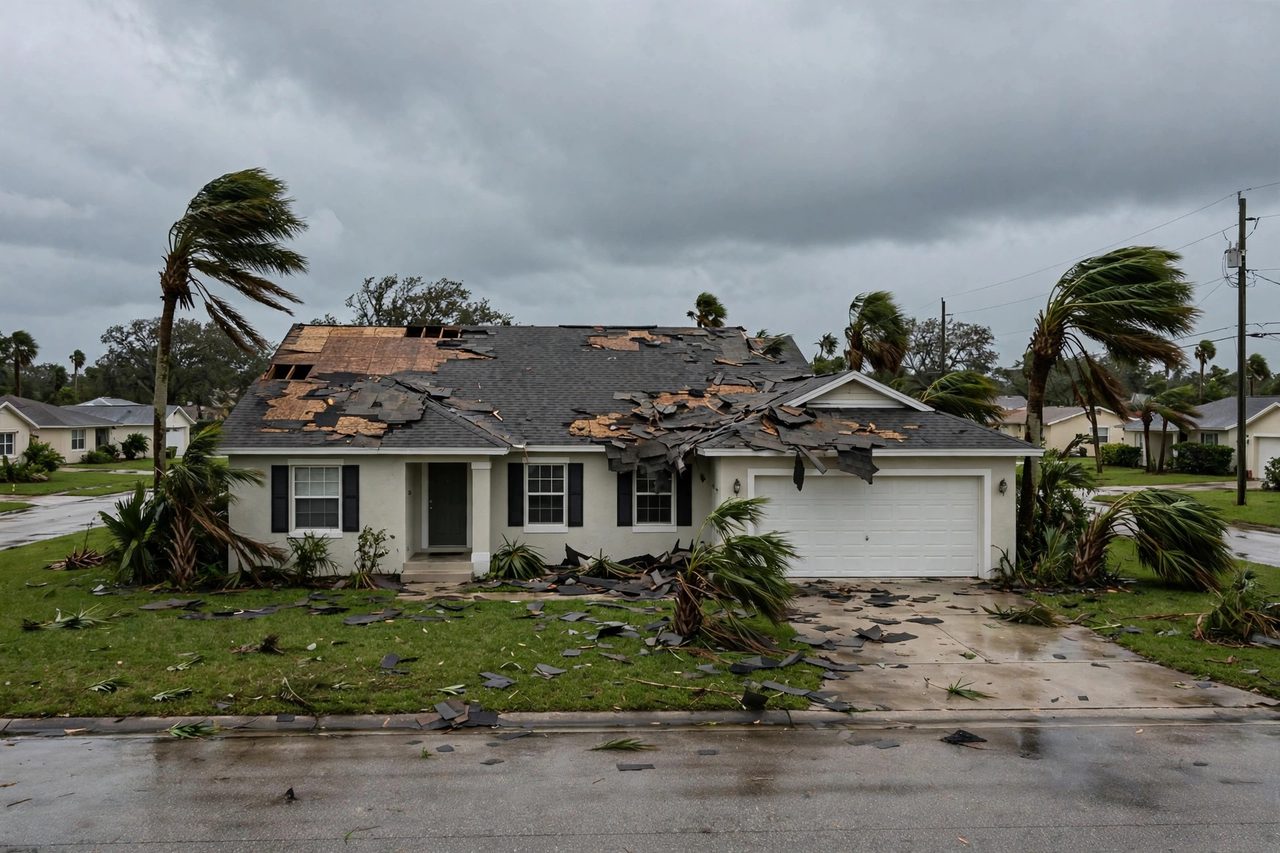
Localized Roof Leak Repair
Typical scope: identify the entry point, repair the failed component, restore surrounding materials and document the completed repair.
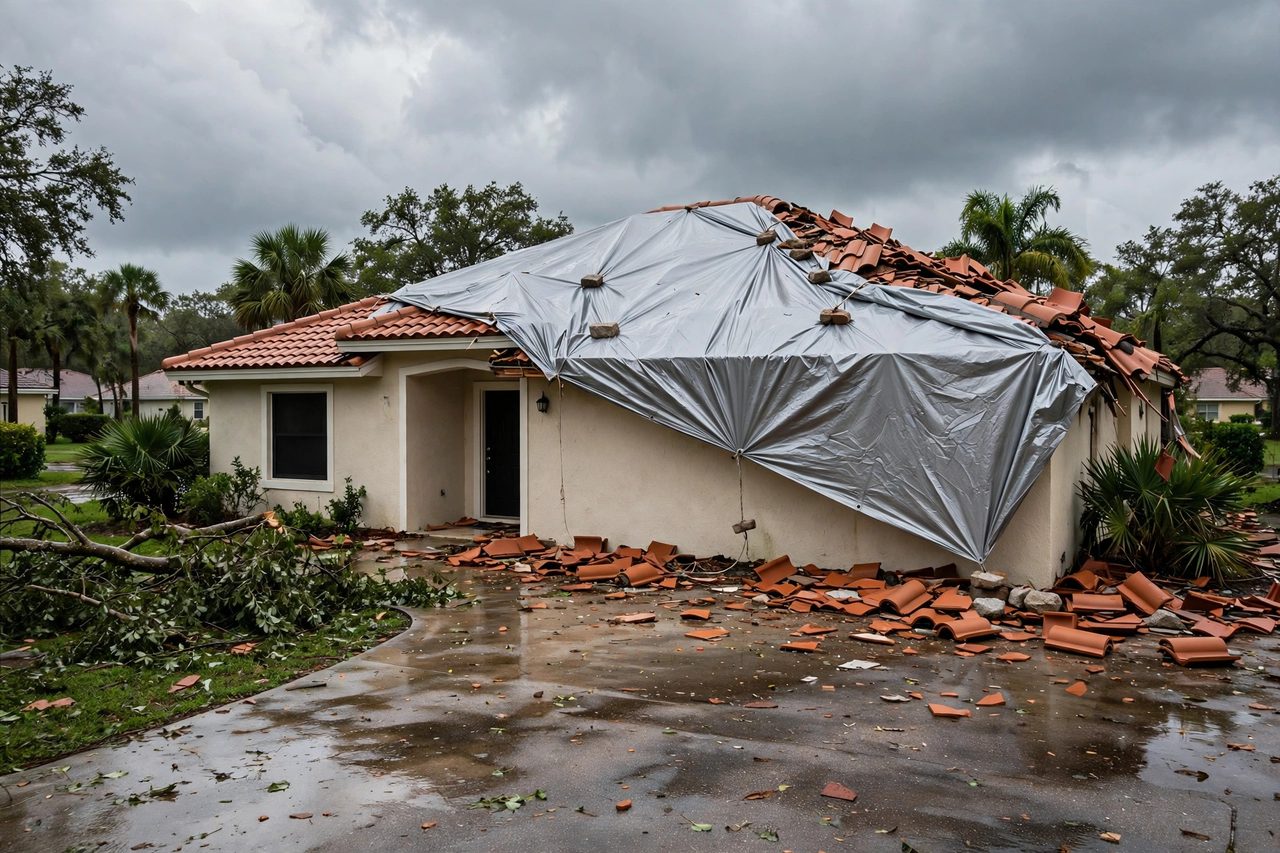
Storm Damage Stabilization
Typical scope: inspect wind or impact damage, protect exposed areas and separate urgent stabilization from permanent repairs.
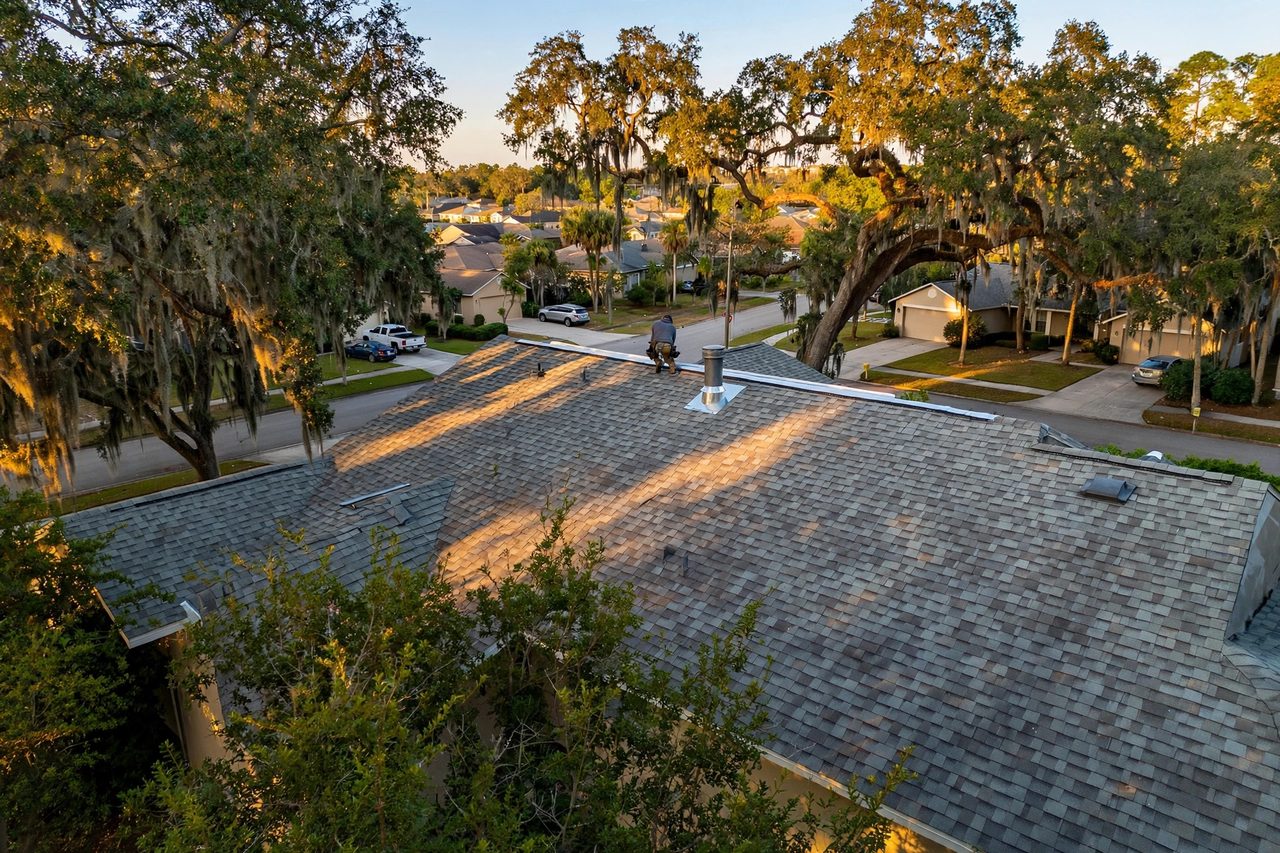
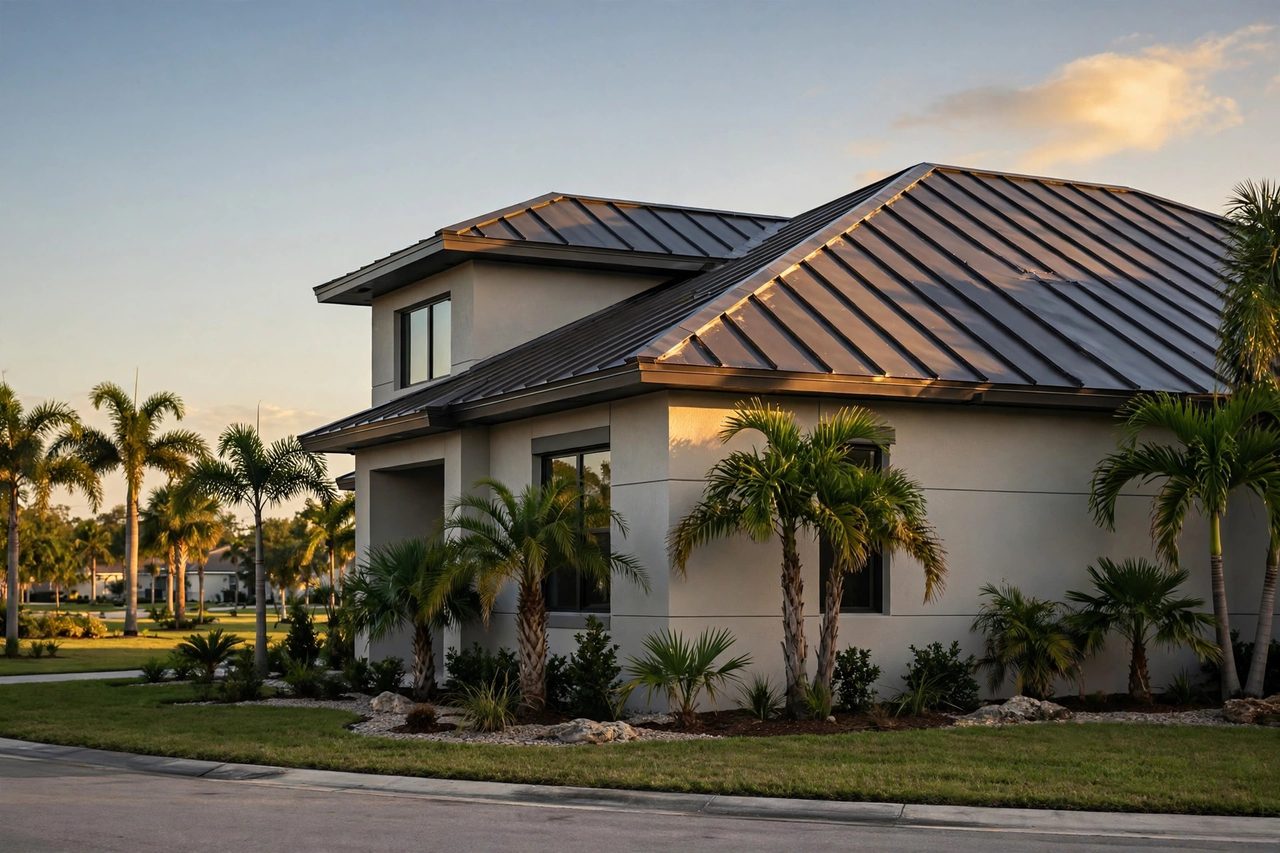
Roof Condition Assessment
Typical scope: inspect coverings, flashing, penetrations, drainage and visible moisture evidence before deciding what needs attention.
Image files include Orlando GPS metadata for local image organization; geotagging does not mean the scene was photographed at the listed map point.
Should I get a roof inspection before hurricane season, or only after a storm?
Do it before the season, in calm weather. A pre-season inspection finds the loose edges, tired flashing, cracked seals and blocked drainage that wind and driven rain exploit, and each fix is a small repair in spring instead of a leak in September. Roof Repair Orlando FL accepts free inspection requests, so book the check before June.
How should I document my roof before a storm for insurance?
Take dated photographs of every slope from the ground, plus ridges, valleys, flashing and any existing stains inside the attic, and store them with your policy documents. If a storm later causes damage, that dated record shows the roof's pre-storm condition and separates old wear from new storm damage, which is exactly what an insurer needs to see.
Can loose shingles or tiles be secured before a hurricane, or must they be replaced?
It depends on their condition. Material that is lifted but sound can often be re-sealed or re-fastened, while creased, cracked or unbonded shingles and broken tiles need replacing because wind will finish them. Edges, ridges and hips get priority in any pre-season visit, because that is where wind starts lifting a roof covering.
What Customers Have Shared
Customer feedback shown here is based on material already published by the business website. Use the Google Maps listing for the latest independently hosted review information.
“Showed up on time, and left the site cleaner than they found it.”
Published on the business website as customer feedback. See the live listing for additional review information.
View Google Maps Listing Leave a Google ReviewHow to evaluate a roofing contractor
Before authorizing work, compare the diagnosis, written scope, insurance documentation, applicable permits and contractor credentials. Ask which parts of the roof were inspected, what evidence supports the repair recommendation, and what documentation you will receive.
Need help with an active roofing problem?
Use this guide to understand the issue, then call to discuss the property and urgency.