
Hurricane Season Ended: Did Your Roof Pass? End-of-Season Roof Report for Orlando
Six months ago, on June 1, hurricane season opened over Central Florida. Today it closes. In between, your roof stood through five months of the year's most punishing weather: heat that ages every seal, daily downpours, gusty afternoons, and bands of wind-driven rain. It did all of that without a report card. Today is the day to write one, because winter is not a rest period for roofs. It is a different exam, and a roof that barely passed the last one needs to know it.
Short answer
With hurricane season 2026 officially ending today, November 30, every Orlando roof now carries a full season of results. A roof that passed shows no new stains, tight flashing, intact shingles, and clear valleys. A roof that failed shows lifted or creased shingles, granule washout, loose flashing, and interior clues it will not survive winter fronts quietly. One inspection now answers the question with evidence, and the dry weeks ahead are the easiest time to act on the answer.
What this season put Orlando roofs through
Forget any single storm. The wear that ends a roof's season is cumulative, and this year delivered it the usual Florida way. Months of thermal cycling, expanding and shrinking every seal and flashing edge. Weeks of rain arriving sideways, pushing water under lifted shingles and into flashing gaps that vertical rain never reaches. Debris seasons, when branches packed into valleys and held moisture against the shingles. And sunny stretches that did their own quiet damage, baking granules off shingles and cracking rubber pipe boots.
A roof does not have to lose a single shingle to fail this test. It fails when its weakest ten percent crosses the line from worn to leaking, and in Orlando that line is usually crossed in the quiet moments of the season, not the dramatic ones.
Reading the report card: signs your roof passed
Give your roof a pass if all of these are true: ceilings show no new stains or growth of old ones since spring; shingles lie flat with no visible creasing, curling, or missing tabs; flashing sits tight at chimneys, skylights, and wall junctions; gutters run clear and granule washout at downspouts is light; the attic is dry, with no daylight through the deck and no fresh staining on the plywood or insulation. A roof with all of this behind it came through the season in solid shape and can face the winter fronts with ordinary maintenance and nothing urgent.
Signs your roof failed, quietly
Fail quietly, because that is how it usually happens. Look for: shingles creased at the seal line, even if they still lie flat; bare patches where granules have worn away; flashing lifted, bent, or separated at one corner; cracked or torn pipe boots; dark streaks or soft spots on fascia and soffit; and any ceiling stain that changed in the last month. Inside, damp attic insulation, musty smells that survived airing out, or water trails on the deck underside all mean water arrived during the season and may arrive again. A roof showing several of these did not pass the season. It absorbed it, and the winter fronts will ask the same questions in December.
Why winter fronts are a second exam
Homeowners sometimes treat December as a safe month because the named storms are gone. Winter fronts bring their own signature: sustained winds pushing rain against the north and west faces for hours, lifting what summer loosened. A crease that survived August can tear in December. A flashing edge that tolerated vertical rain will admit wind-driven rain. And holiday homes are full, which stresses every ceiling with a story to tell. Closing the books on the season now means December tests a roof you already know, not one you are guessing about.
Build your end-of-season file
Whether your roof passed or needs work, end the season with a record. An end-of-season file is simple: dated photos of the roof and attic, a note of any stains with their locations and dates, and a professional inspection report in writing. That file does three jobs. It gives you a baseline for next season, so any new change is easy to spot. It documents your home's condition for your insurance file, which is strongest when it is current. And it turns any future repair into a conversation based on evidence, not memory. A good roofer provides the photos and summary as standard.
Start the dry season with a known roof
The weeks after November 30 are some of the most favorable of the year for roof work in Orlando: dry, cool, calm, and ahead of the holiday rush. That is exactly the right moment to act on a report card that came back less than perfect. Small repairs now prevent mid-winter emergencies later, and if the season revealed a broadly worn roof, you have calm weeks to plan a replacement on your terms instead of the weather's. Either way: walk into December knowing exactly what is over your head.
Keep reading
How to Prepare Your Roof for Hurricane Season · Roof Repair Insurance Documentation: What to Keep
Questions homeowners ask
Hurricane season is over. Why inspect now instead of spring?
Because winter fronts are still coming, and they test roofs in ways summer does not. An inspection now catches season damage while it is fresh and gives you the dry-season window to fix it. By spring, hidden damage has had six more months to spread.
What does an end-of-season inspection cover?
A full look at the roof surface, every penetration and flashing point, gutters and valleys, ridge and vents, and the attic underside for leaks and moisture. It ends with photos and a written report: what is fine, what to watch, and what to fix now.
If my roof passed, how long is it good for?
A clean report means the roof is sound now, not forever. Annual checks, ideally at the end of each storm season, are the habit that keeps a good roof good.
Should I keep the inspection report for my insurance?
Yes. A dated, professional record of your roof's condition is useful documentation for your homeowner file. It establishes the state of the roof at a fixed point in time, which is exactly what you want on record before any future weather event.
The season is officially over, and the report card is due. Close 2026 with a roof you know, not a roof you hope for. Request a free roof inspection in Orlando: call (689) 282-5370 or visit roofrepairorlandofl.com. Licensed Florida roofing: Timothy Parks Roofing & Construction Inc., licence CCC1327217.
Before & After Repair Scenarios
These visuals are illustrative examples of common repair scopes, not representations of a specific customer job. Replace them with verified project photography when available.
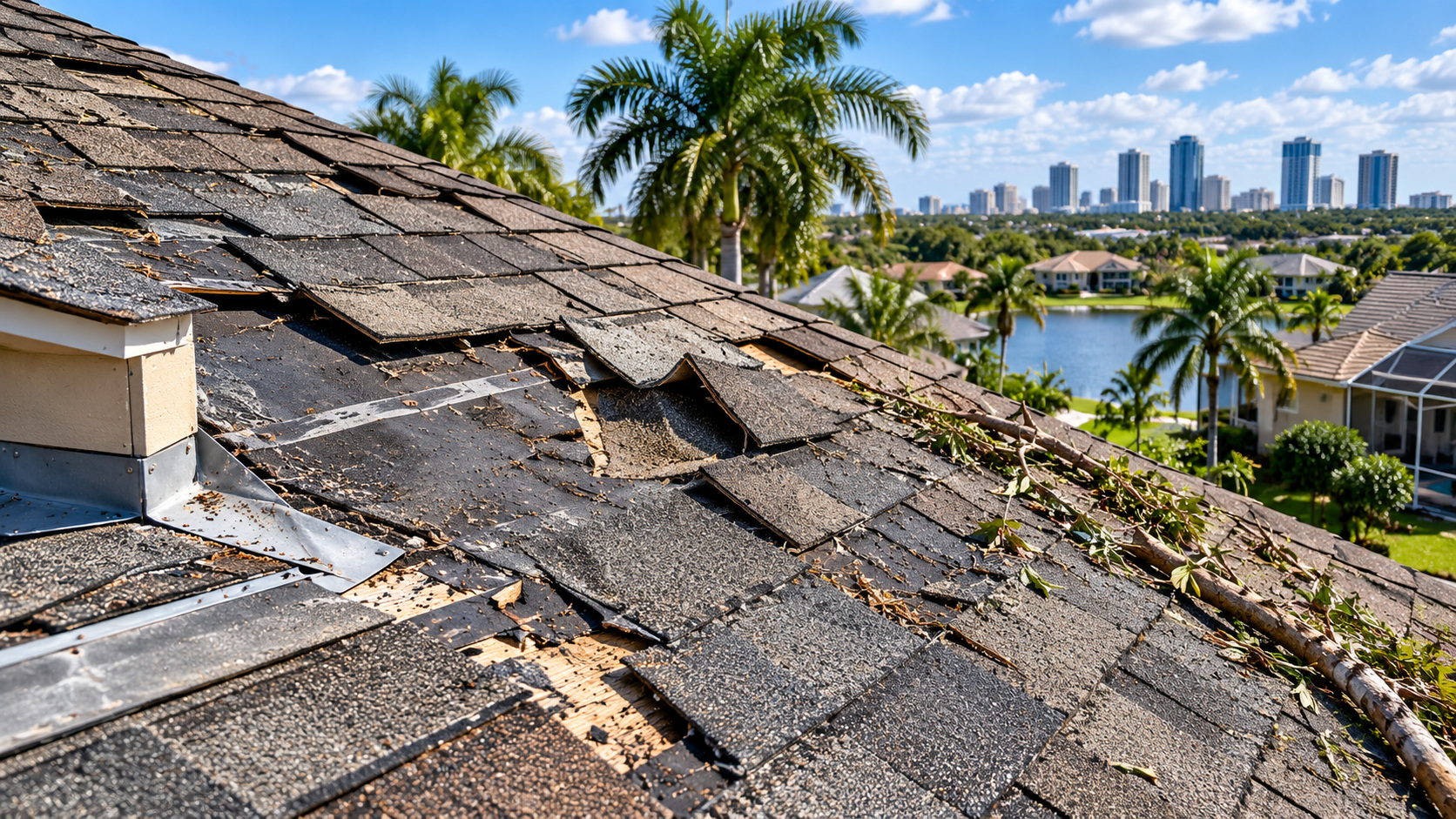
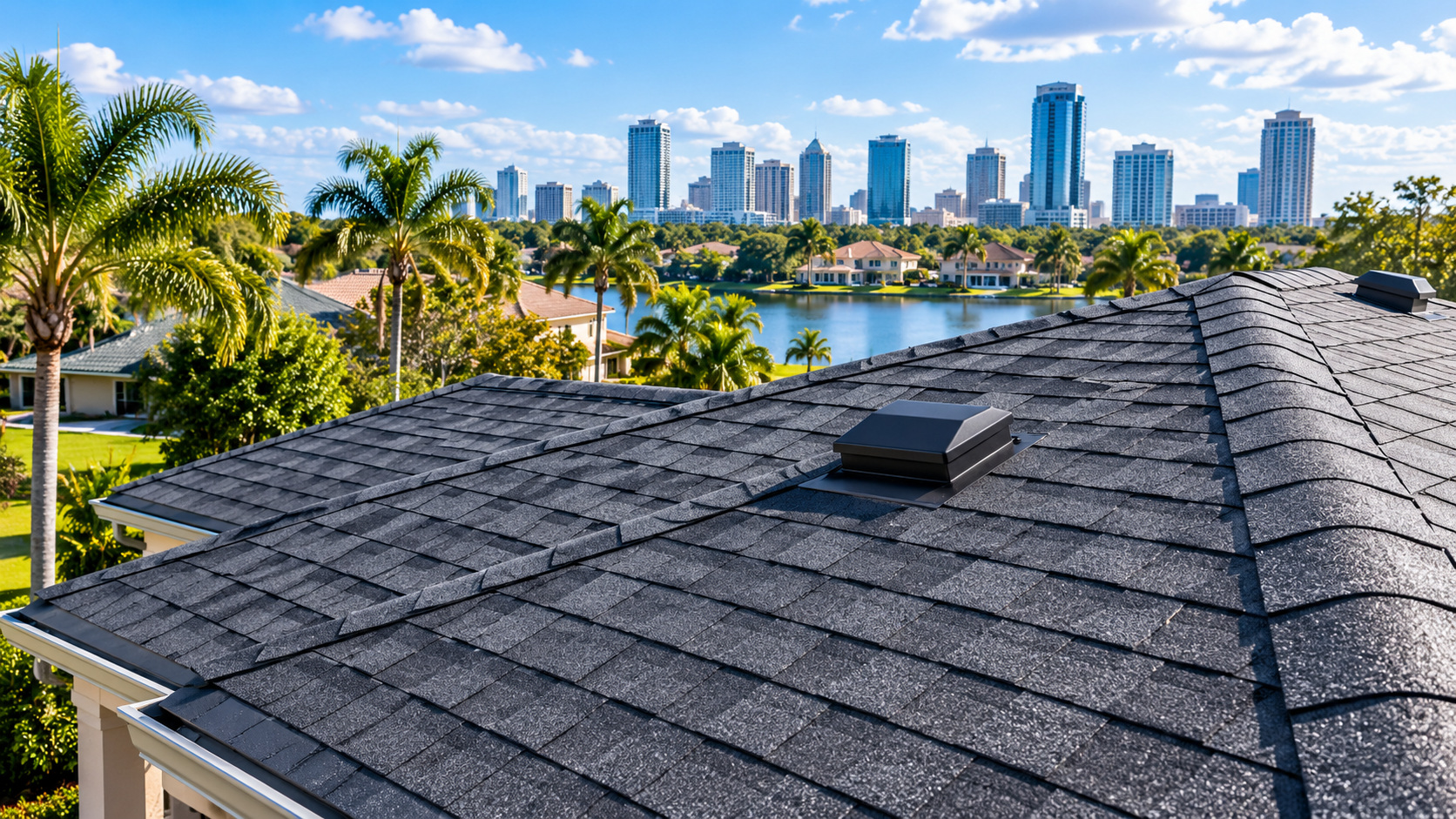
Localized Roof Leak Repair
Typical scope: identify the entry point, repair the failed component, restore surrounding materials and document the completed repair.
Storm Damage Stabilization
Typical scope: inspect wind or impact damage, protect exposed areas and separate urgent stabilization from permanent repairs.

Roof Condition Assessment
Typical scope: inspect coverings, flashing, penetrations, drainage and visible moisture evidence before deciding what needs attention.
Image files include Orlando GPS metadata for local image organization; geotagging does not mean the scene was photographed at the listed map point.
What Customers Have Shared
Customer feedback shown here is based on material already published by the business website. Use the Google Maps listing for the latest independently hosted review information.
“Showed up on time, and left the site cleaner than they found it.”
Published on the business website as customer feedback. See the live listing for additional review information.
View Google Maps ListingHow to evaluate a roofing contractor
Before authorizing work, compare the diagnosis, written scope, insurance documentation, applicable permits and contractor credentials. Ask which parts of the roof were inspected, what evidence supports the repair recommendation, and what documentation you will receive.
Need help with an active roofing problem?
Use this guide to understand the issue, then call to discuss the property and urgency.