
Post-Storm Roof Check: 7 Signs of Damage Orlando Homeowners Miss From the Ground
Storm season is not quite over in Central Florida. Showers are still moving through Orlando this week, and roofs here have spent nearly five months under the tropical cycle: heat, sudden downpours, and wind-driven rain. Most of that passes without a visible change to your home, which is exactly the problem: the expensive damage is the damage that hides.

One safety note first: walking a pitched roof is dangerous, and a wrong step can crack a shingle that survived the storm. Look instead from a ladder, from windows, and from inside your attic.
Short answer
Yes, a Florida roof can be damaged even when it looks fine from your driveway. Wind creases shingles without removing them, flashing lifts at the edges, granules wash into gutters, and small cracks open at penetrations. The seven signs below most often escape a ground-level look, and every one costs less to fix now than after the next heavy rain.
Why ground-level checks miss real damage
From thirty feet away, a roof either looks whole or it does not. The trouble is that the failures behind most Orlando roof leaks are not dramatic. A shingle can be creased by a gust and still lie flat. Flashing can lift a quarter inch along one edge, invisible from below but wide enough to admit wind-driven rain. Granule loss thins a shingle's sun protection slowly, and a small branch can crack a tile or dent a vent and fall away without a trace.
Ground views also flatten the roof into one plane. Valleys, which carry the most water, barely register. Professionals spend most of an inspection at penetrations and flashing, because that is where water gets in.
The 7 signs most people miss
1. Wind-creased shingles. A strong gust can fold a shingle back and lay it down again, leaving a faint crease above the seal line. It looks normal until the crease cracks and the tab tears off in a later storm. Look for subtle lines or lifted corners on the windward slope.
2. Granule piles in gutters and downspouts. Shingles shed some granules as they age, but a sudden pile after a stormy stretch means the surface is wearing fast. A handful that feels like coarse sand at the downspout outlet means the shingles above are losing their protective layer, and bare spots shorten the roof's life.
3. Lifted or bent flashing. Flashing at chimneys, skylights, dormers, and walls should sit flat with sealed edges, but wind and expansion work the edges loose. From a ladder you can spot curled corners or nail heads backing out. Every lifted edge is a direct path for rain in the next hard shower.
4. Debris packed in valleys. Valleys carry the heaviest water flow on your roof. Leaves and branches collect there after storms and hold moisture against the shingles. A valley that cannot drain pushes water sideways under shingles in heavy rain.
5. Damaged vent pipes and pipe boots. Rubber pipe boots crack in Florida sun, and vent covers can dent or shift. You will never notice them from the yard, yet a failed boot is a very common source of a leak into a bathroom or laundry ceiling.
6. Dented or lifted ridge caps and vents. Ridge caps can lift at the ends, and vents can loosen at their bases. The gaps are small, but wind-driven rain enters at exactly this scale.
7. Signs only visible from inside the attic. On a bright day, step into the attic and turn off the light. Pinpoints of daylight through the deck, dark stains on the underside of the plywood, damp insulation, or a musty smell are all messages from the roof itself. Stains still damp after dry weather mean water arrived recently.
What to check inside the house too
Scan ceilings under the roof, especially around fans, light fixtures, and bathroom vents where roof penetrations sit above. Look for yellow-brown stains, peeling paint, or soft drywall. A stain larger than last month is active, not old.
When a missed sign turns into a leak
Here is the timing that catches Orlando homeowners off guard. Missed storm damage usually survives the rest of hurricane season without dripping, because late-season rain falls in patterns the weakened spot tolerates. Then the first cold fronts arrive with sustained, wind-driven rain from a different direction, and the crease that held through August gives way in December. The dry season starting in November is your best window, while the roof is dry and the calendar is on your side. Every month a hidden problem waits, the repair grows.
What a professional inspection adds
An honest inspection does three things a homeowner check cannot: it covers the whole roof up close, it separates cosmetic wear from failure that needs action, and it documents everything with photos. Our inspections are free and end with a plain-language report: what is fine, what to watch, and what to fix now. Our work is covered by Florida roofing licence CCC1327217, held by Timothy Parks of Timothy Parks Roofing & Construction Inc.
Keep reading
What to Do About a Missing Shingle After a Storm · How to Prepare Your Roof for Hurricane Season
Questions homeowners ask
How soon after a storm should I have my roof checked?
As soon as it is safe. Obvious damage shows quickly. Subtler damage can be found any time before the next big rain, but the longer you wait, the more chance water gets in first.
Can wind damage a roof without blowing shingles off?
Yes, and this is the most common surprise. Wind lifts shingle edges, breaks their seal, and creases tabs that then crack. It can also loosen flashing and vents without removing anything visible, which is why an intact-looking roof can still leak.
Is a roof inspection really free?
Yes. We offer free inspection requests in the Orlando area, with photos and a written report. There is no obligation to hire us for any work we recommend.
I found damage weeks after the storm. Is it too late to get it repaired properly?
No. Storm damage has no expiration date for repairs, and a good roofer can tell whether damage matches a past weather event. What matters is stopping the water before it damages the deck or interior a second time.
Hurricane season ends November 30, and Orlando's dry season is starting. If your roof took five months of storms this year, get a free inspection before the winter fronts arrive. Call (689) 282-5370 or request your free inspection on roofrepairorlandofl.com. Licensed Florida roofing: Timothy Parks Roofing & Construction Inc., licence CCC1327217.
Before & After Repair Scenarios
These visuals are illustrative examples of common repair scopes, not representations of a specific customer job. Replace them with verified project photography when available.
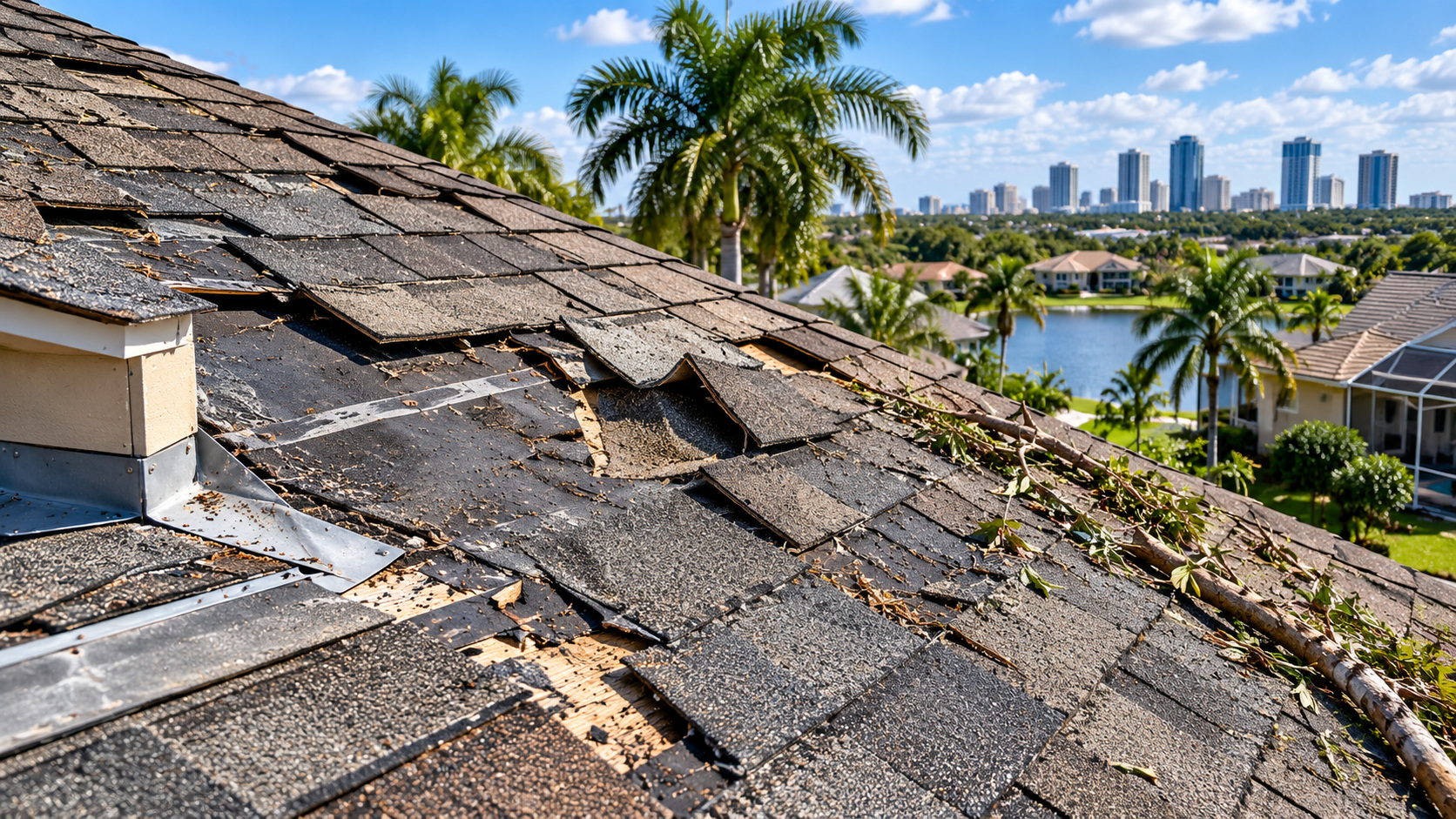
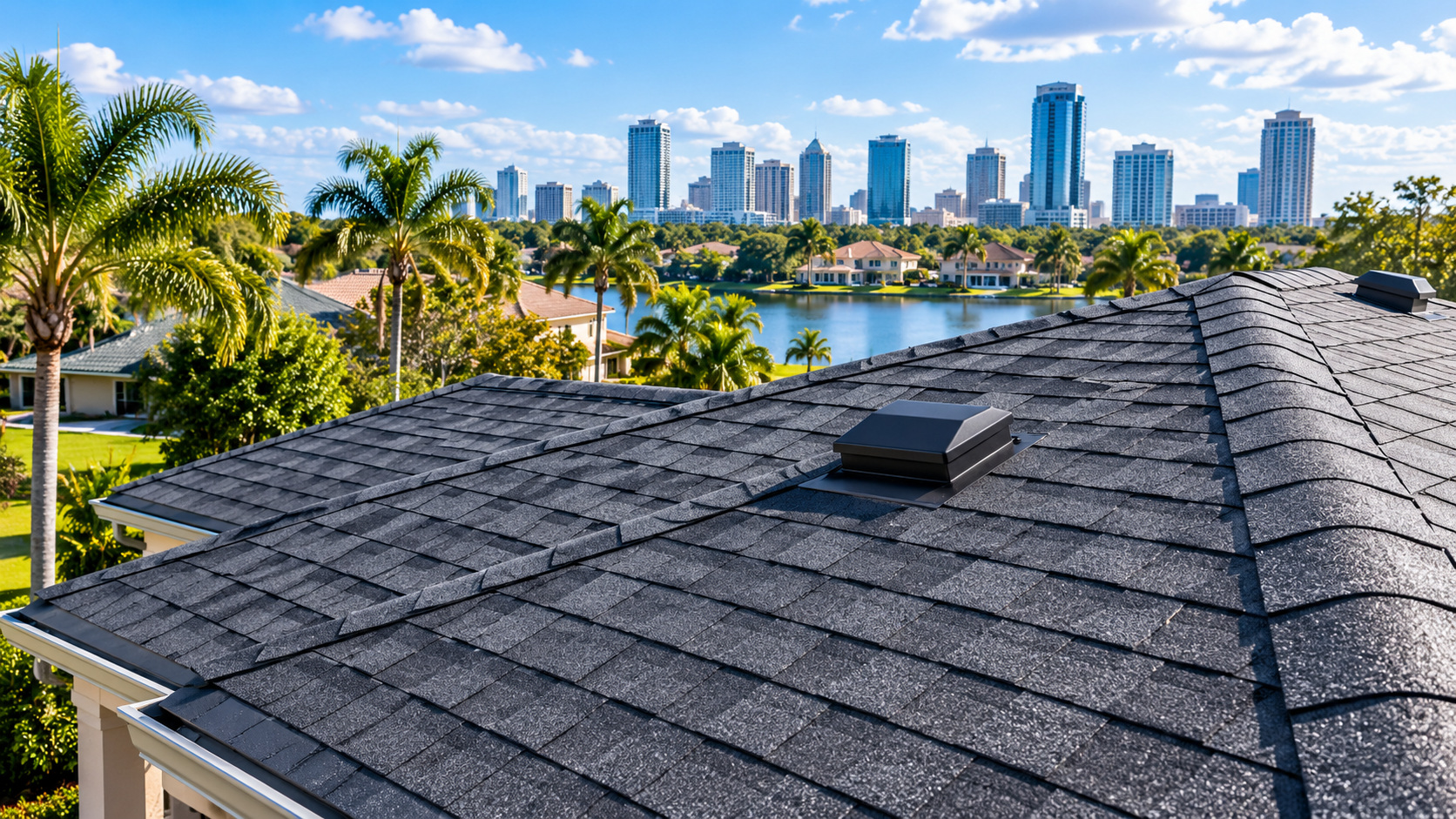
Localized Roof Leak Repair
Typical scope: identify the entry point, repair the failed component, restore surrounding materials and document the completed repair.
Storm Damage Stabilization
Typical scope: inspect wind or impact damage, protect exposed areas and separate urgent stabilization from permanent repairs.
Roof Condition Assessment
Typical scope: inspect coverings, flashing, penetrations, drainage and visible moisture evidence before deciding what needs attention.
Image files include Orlando GPS metadata for local image organization; geotagging does not mean the scene was photographed at the listed map point.
What Customers Have Shared
Customer feedback shown here is based on material already published by the business website. Use the Google Maps listing for the latest independently hosted review information.
“Showed up on time, and left the site cleaner than they found it.”
Published on the business website as customer feedback. See the live listing for additional review information.
View Google Maps ListingHow to evaluate a roofing contractor
Before authorizing work, compare the diagnosis, written scope, insurance documentation, applicable permits and contractor credentials. Ask which parts of the roof were inspected, what evidence supports the repair recommendation, and what documentation you will receive.
Need help with an active roofing problem?
Use this guide to understand the issue, then call to discuss the property and urgency.