
Why Skylights Leak and How the Repair Actually Works
A leaking skylight has usually not failed as a window — the junction around it has. This guide separates the three usual suspects (curb flashing, seals and glazing, and the roof around the skylight), explains what a proper repair involves for each, and helps you judge the repair-versus-replace call when a unit is old.

Tile can remain visibly intact while the underlayment or flashing beneath and around it has deteriorated.
For local homeowners, the useful approach is to connect the symptom to the roof component, explain the evidence that would confirm the diagnosis, and separate urgent action from long-term planning. This guide is written to help with that decision process.
Need local roofing help? Start with the Roof Repair Orlando FL homepage for Orlando roof repair services, emergency guidance and service-area information.
Short answer
Most skylight leaks come from the installation details around the unit rather than the unit itself: curb flashing that was sealed instead of properly layered, sealant joints that have aged out in Florida sun, or the surrounding covering failing where it meets the curb. Condensation is the fourth possibility and is not a roof leak at all. Diagnosis starts by separating those four, because each has a completely different fix and price.
The three usual suspects, plus the impostor
Curb flashing: the metal system wrapping the skylight's raised curb is the classic failure — especially where it was face-sealed with caulk rather than stepped and layered into the covering. Seals and glazing: the unit's own gaskets and the seal between glass and frame age under UV; fogging between panes is a glazing-unit failure that no roof work fixes. The surrounding roof: leaks blamed on skylights regularly trace to the covering or flashing a short distance upslope, with water travelling to the curb before entering. The impostor: warm moist indoor air condensing on a cold skylight surface and dripping — a ventilation and humidity problem wearing a leak's clothes.
Each suspect is testable, and skylight repair starts with that separation rather than with a tube of sealant. Where the pattern is genuinely unclear, leak diagnostics applies the same tracing used for any ambiguous entry point.
Repair, reseal or replace: making the call
A sound unit with failed flashing is a flashing repair: strip the surrounding covering as needed, install correct curb flashing layered with the roof system, and reinstate. A sound frame with a failed glazing unit may justify a glazing or sash replacement where the manufacturer supports it. Replacement of the whole unit earns its cost when the frame itself is deteriorated, the unit is at end of service life, or repeated seal failures show the design is wrong for the exposure.
Be wary of the cheapest offer in this category: surface resealing a curb is the single most repeated short-lived repair in skylight work. The junction logic is the same as for chimneys and walls, covered in what roof flashing problems look like.
Keep reading
What roof flashing problems look like in Orlando · Roof vent leaks and ventilation problems
Questions homeowners ask
Is my skylight leak actually condensation?
Possible: condensation drips worst on cool mornings, correlates with indoor humidity rather than rain, and wets the unit's interior surfaces. Rain-correlated dripping points back to flashing, seals or the surrounding roof.
Can a skylight be repaired without replacing it?
Often yes: flashing failures — the most common cause — are repaired around a sound unit. Replacement is for deteriorated frames, failed glazing units that cannot be serviced, and units at end of life.
Why does the leak keep returning after resealing?
Because sealant over a moving, sun-exposed joint is a temporary measure. If the curb flashing itself has failed, only re-flashing — replacing and correctly layering the metal — gives a durable result.
Before & After Repair Scenarios
These visuals are illustrative examples of common repair scopes, not representations of a specific customer job. Replace them with verified project photography when available.
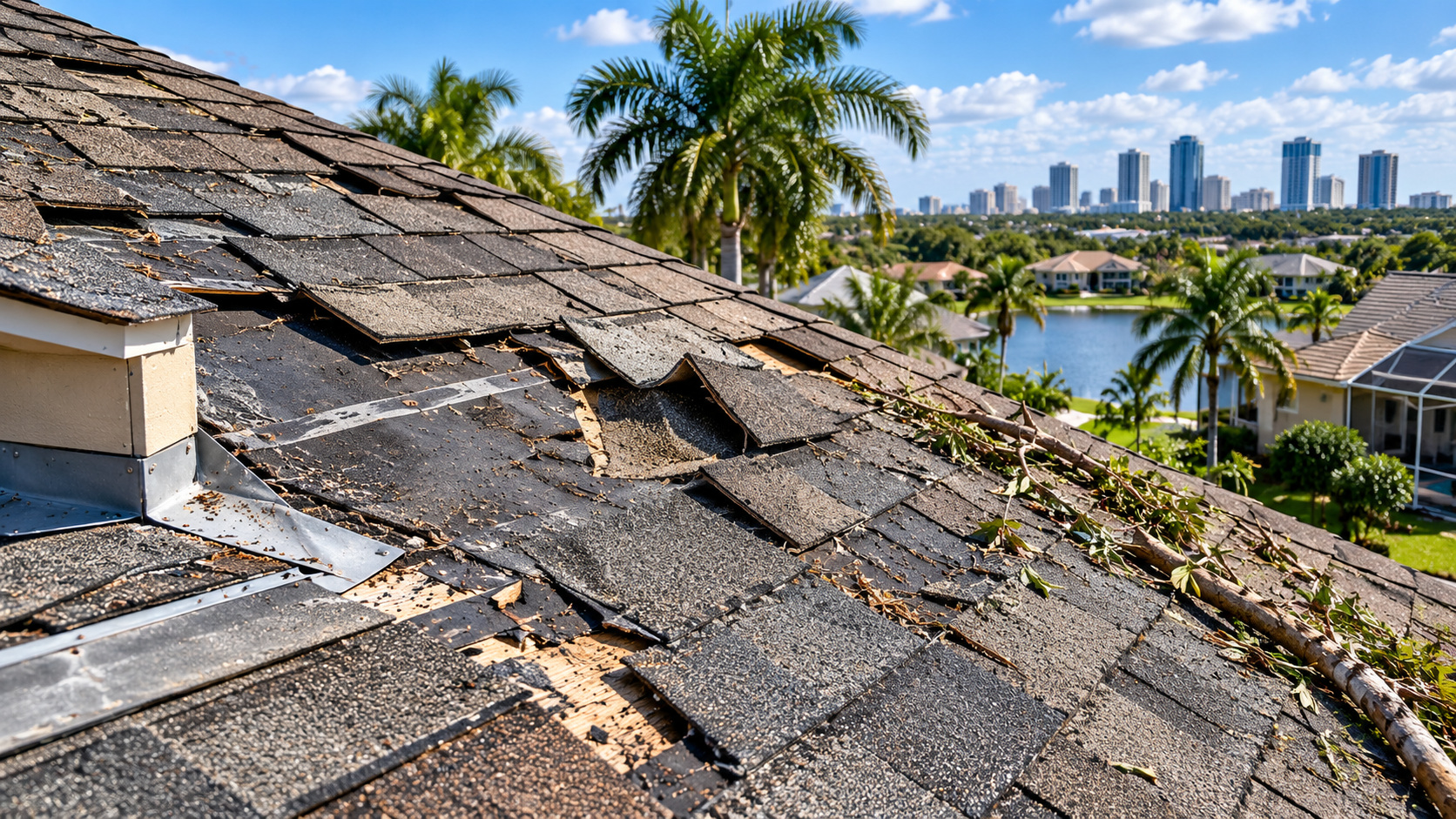
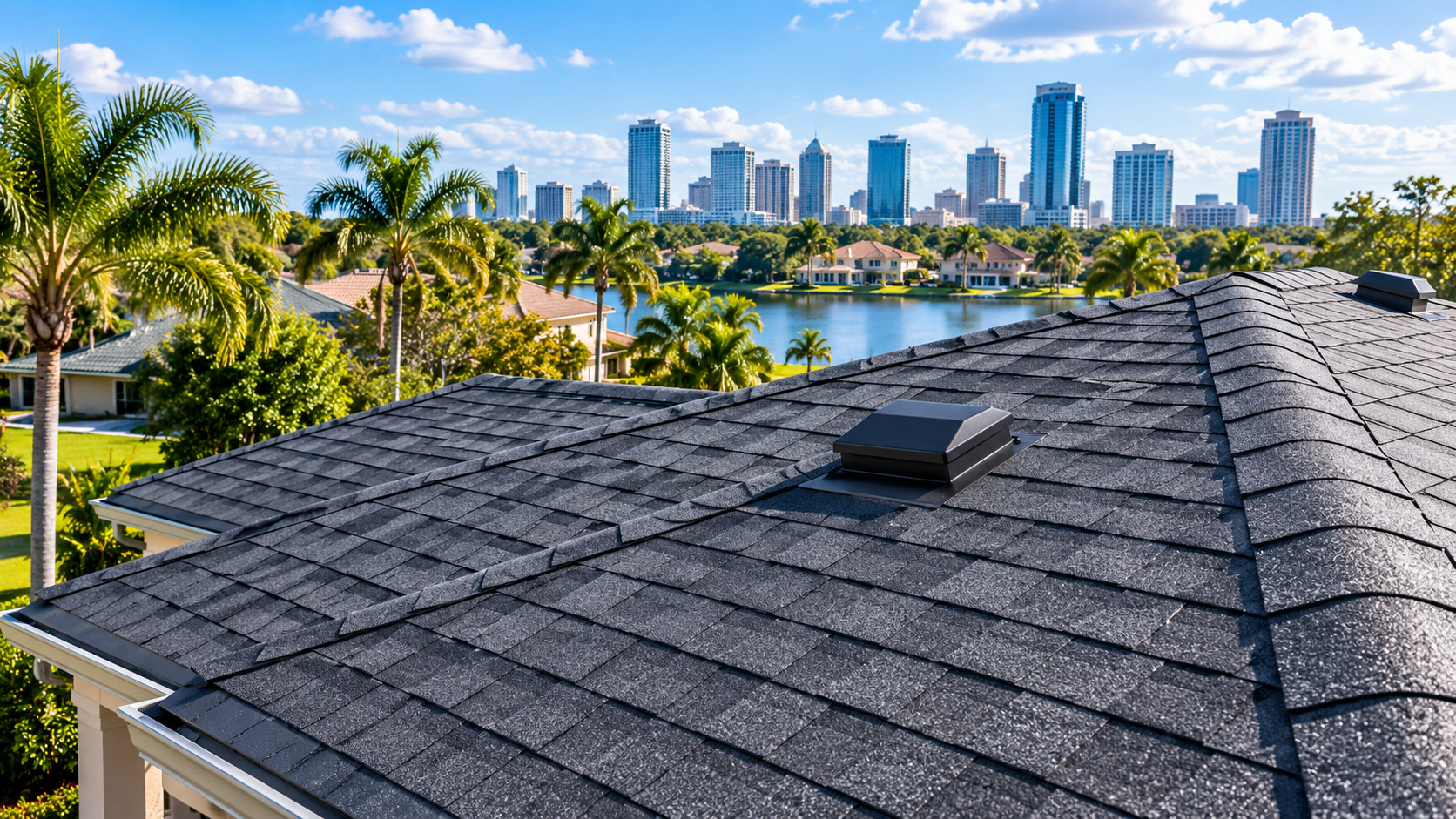
Localized Roof Leak Repair
Typical scope: identify the entry point, repair the failed component, restore surrounding materials and document the completed repair.
Storm Damage Stabilization
Typical scope: inspect wind or impact damage, protect exposed areas and separate urgent stabilization from permanent repairs.

Roof Condition Assessment
Typical scope: inspect coverings, flashing, penetrations, drainage and visible moisture evidence before deciding what needs attention.
Image files include Orlando GPS metadata for local image organization; geotagging does not mean the scene was photographed at the listed map point.
What Customers Have Shared
Customer feedback shown here is based on material already published by the business website. Use the Google Maps listing for the latest independently hosted review information.
“Showed up on time, and left the site cleaner than they found it.”
Published on the business website as customer feedback. See the live listing for additional review information.
View Google Maps ListingHow to evaluate a roofing contractor
Before authorizing work, compare the diagnosis, written scope, insurance documentation, applicable permits and contractor credentials. Ask which parts of the roof were inspected, what evidence supports the repair recommendation, and what documentation you will receive.
Need help with an active roofing problem?
Use this guide to understand the issue, then call to discuss the property and urgency.