
Emergency Roof Tarping in Orlando, FL
Emergency Roof Tarping in Orlando, FL starts with finding the actual failure point rather than assuming the visible symptom tells the whole story. A roof can show one leak, one missing material, or one damaged detail while the underlying problem involves flashing, underlayment, fasteners, drainage or another roof component. The goal is to define the problem, explain the repair boundary, and give you a clear next step.
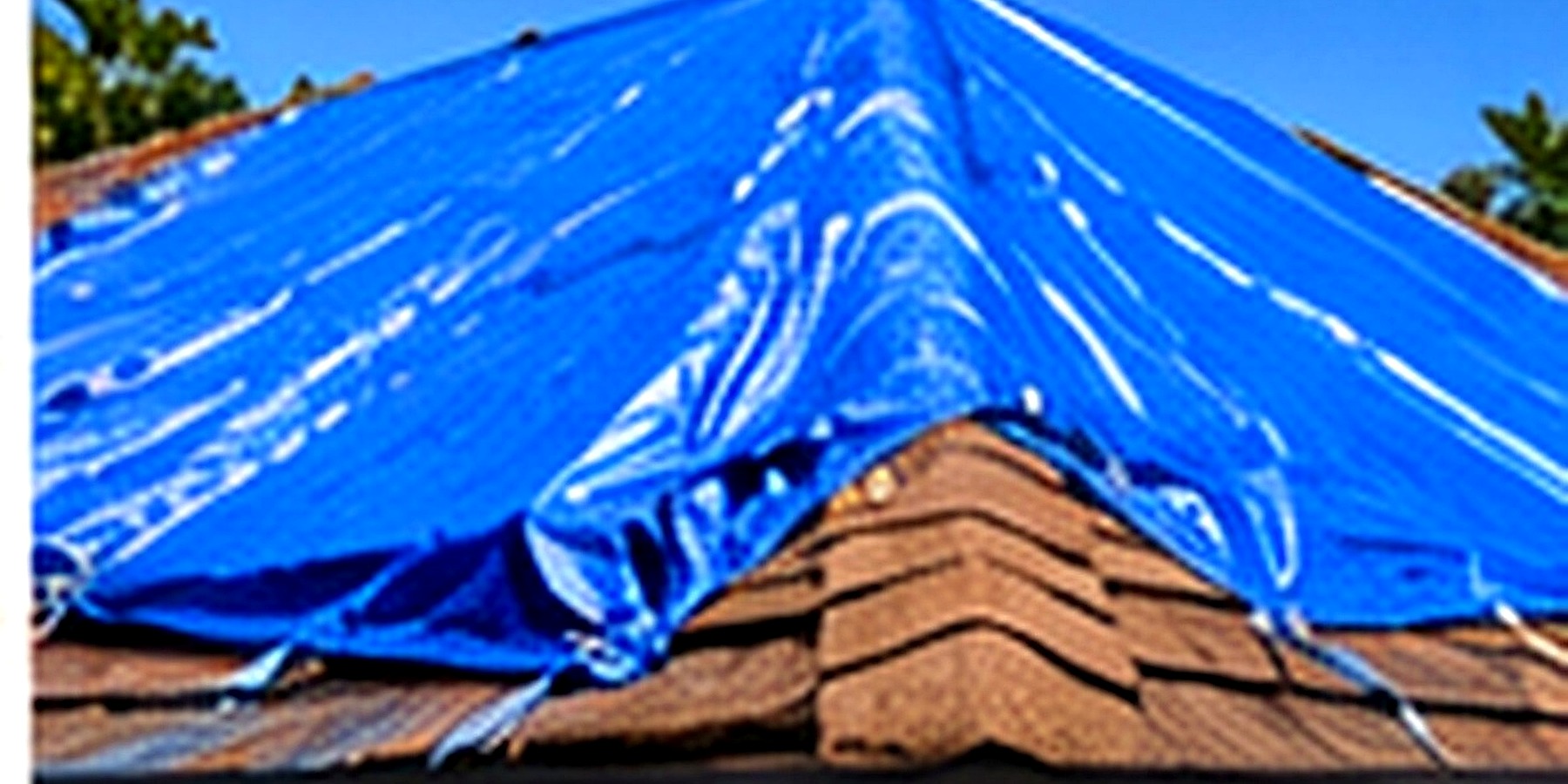
A roof tarp is emergency protection with a planned end date: it covers an opening, limits the next rain's damage, and bridges to a permanent repair. This page explains correct tarping, why it should not be a DIY job on a damaged roof, and how the follow-on repair is scoped.
Orlando-wide roof repair context: See the Roof Repair Orlando FL homepage for the broader repair, inspection, storm, emergency and local service overview.
What a roof tarp is for, and what it is not
A tarp is emergency weather protection for a roof that cannot yet be repaired: storm-torn material, a puncture, or an opening that will let the next rain straight in. A correctly installed tarp is secured so wind cannot work under its edges, sheds water past the damaged area, and stays in place until the permanent repair. It is not a repair, it does not restore the roof's service life, and it degrades with sun and wind exposure, so it always has a planned end date: the permanent fix.
Safety first: tarping is not a DIY invitation
Tarping means working on a damaged, often wet roof, frequently in the aftermath of a storm, with loose material underfoot. Homeowners should not climb up to attempt it: the risk of a fall far outweighs the savings, and a poorly fastened tarp can tear free and take more material with it. Protect the interior instead: containers under drips, valuables moved, photos taken. Ground-level documentation plus professional tarping covers both your safety and your records.
How professional tarping is scoped and documented
The visit assesses the opening and the sound material around it, sizes the cover to lap past the damage, and secures it using methods appropriate to the roof type (what fastens safely on a shingle roof differs from tile, where tiles may need careful lifting rather than nails through them). The work is photographed before and after, because those records serve both the permanent repair scope and any insurance file. The follow-on permanent work, such as storm damage roof repair, is then scoped from the same evidence.
From tarp to permanent repair
A tarp buys days to weeks, not a season. While it is in place: keep an eye on it after further wind, watch the interior for any new staining, and move the permanent repair forward, since every week of exposure adds risk. If your tarp was installed by someone else and the permanent scope is unclear, the next step is an assessment of the damage beneath it once conditions allow.
Related roofing services
Depending on the evidence, this repair may connect to roof inspection, roof leak diagnostics, storm damage roof repair, or another component-specific service.
Need roof repair in Orlando?
Start with the roof problem you can see, then get a property-specific assessment and clear next steps.
Before & After Repair Scenarios
These visuals are illustrative examples of common repair scopes, not representations of a specific customer job. Replace them with verified project photography when available.
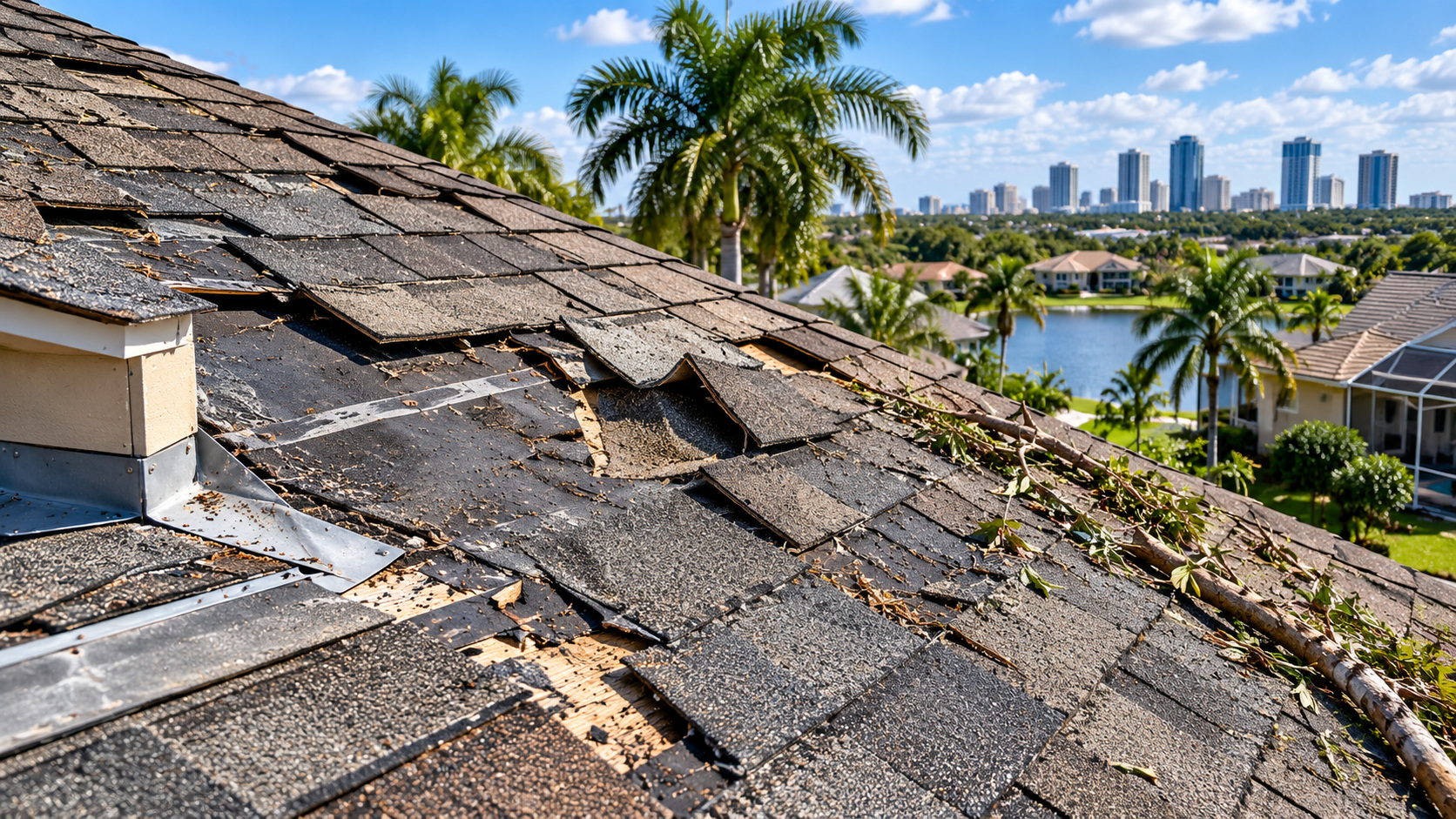
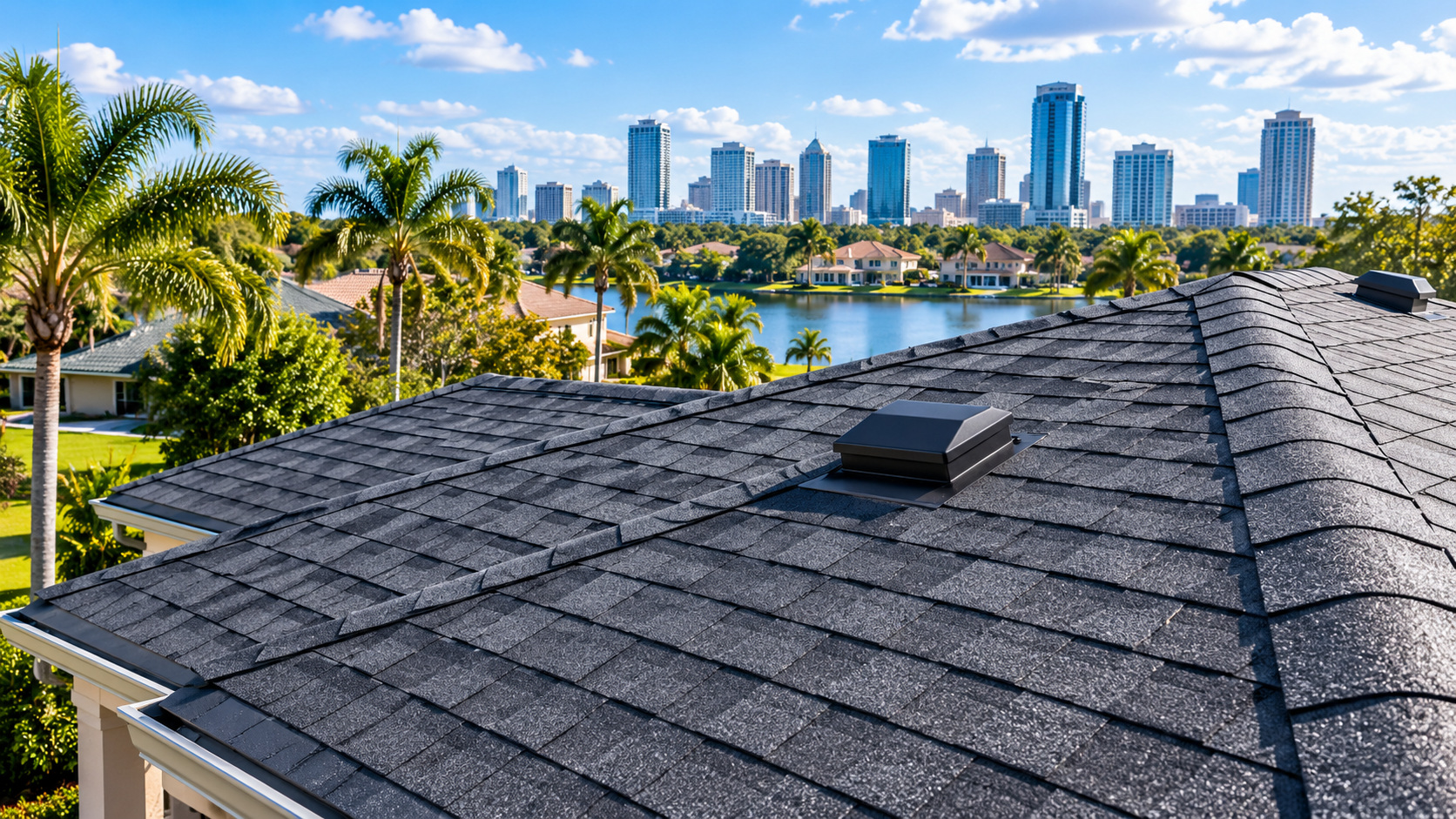
Localized Roof Leak Repair
Typical scope: identify the entry point, repair the failed component, restore surrounding materials and document the completed repair.
Storm Damage Stabilization
Typical scope: inspect wind or impact damage, protect exposed areas and separate urgent stabilization from permanent repairs.
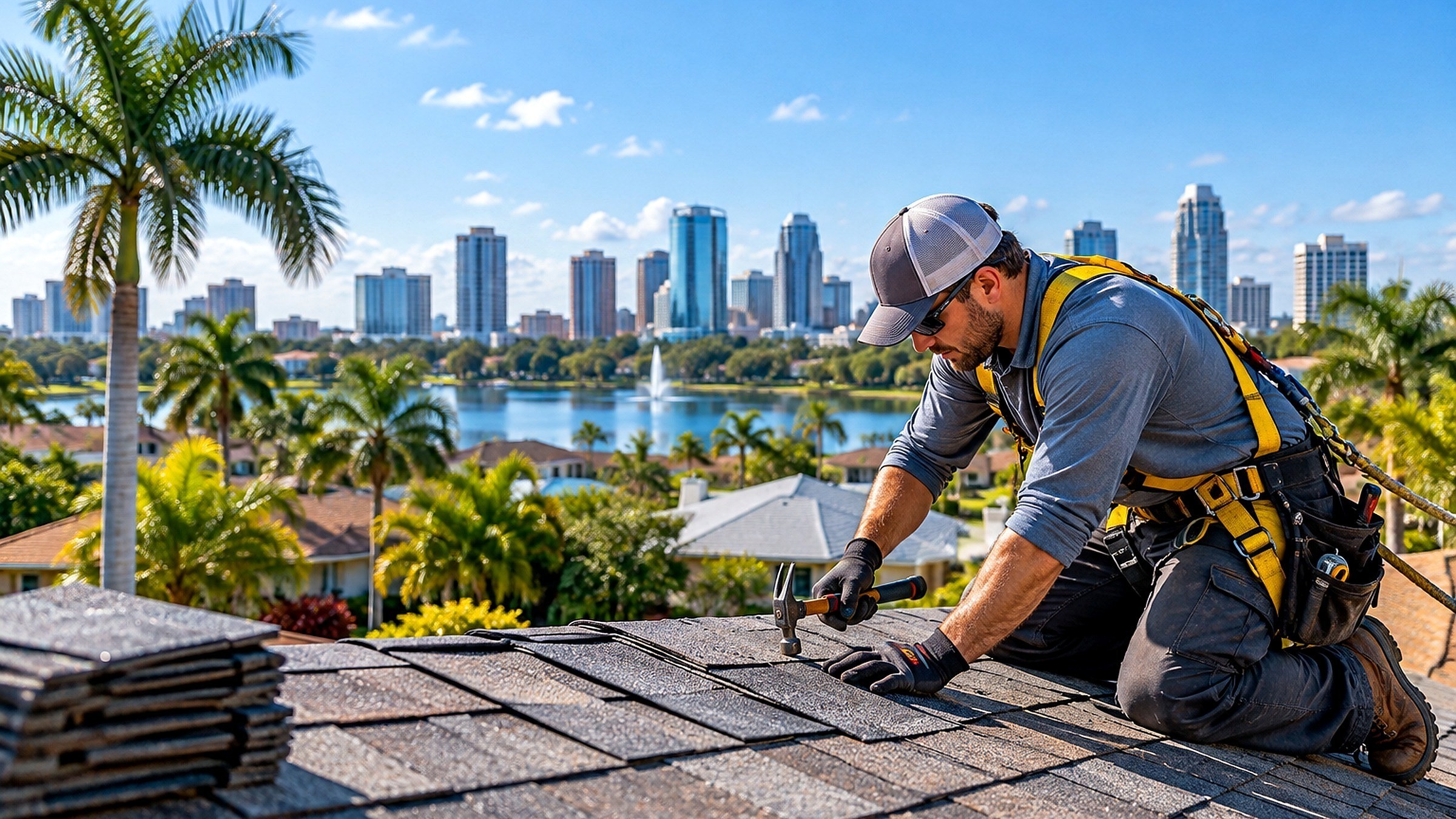
Roof Condition Assessment
Typical scope: inspect coverings, flashing, penetrations, drainage and visible moisture evidence before deciding what needs attention.
Image files include Orlando GPS metadata for local image organization; geotagging does not mean the scene was photographed at the listed map point.
What Customers Have Shared
Customer feedback shown here is based on material already published by the business website. Use the Google Maps listing for the latest independently hosted review information.
“Showed up on time, and left the site cleaner than they found it.”
Published on the business website as customer feedback. See the live listing for additional review information.
View Google Maps ListingHow to evaluate a roofing contractor
Before authorizing work, compare the diagnosis, written scope, insurance documentation, applicable permits and contractor credentials. Ask which parts of the roof were inspected, what evidence supports the repair recommendation, and what documentation you will receive.
Find Roof Repair Orlando FL on Google Maps
The map below uses the location supplied for this website. Confirm availability before traveling and use the direct Google Maps listing for navigation.
Emergency Roof Tarping FAQs
How long can a tarp stay on my roof?
As short a time as possible: tarps degrade under Florida sun and loosen in wind, typically serving for days to a few weeks while the permanent repair is arranged. Treat it as a bridge, not a solution.
Will a tarp completely stop the leak?
A well-installed tarp greatly reduces water entry over the damaged area, but driven rain and further movement can still find paths. Monitor the interior and report any continued leaking.
Should I tarp before an insurer inspects?
Protecting the property from further damage is normally expected of the owner, and mitigation should not wait. Photograph the damage thoroughly before and after tarping so the evidence is preserved.
Can a tarp damage my roof further?
Incorrect fastening can, particularly nailed battens through sound material or fixings through tiles. Professional installation chooses attachment methods for the roof type to avoid trading one problem for another.
Ready for the next step?
Share the symptom, property location and urgency so the right roofing service can be identified.