
Can a Roof Be Repaired During Rain?
Rain changes what can safely and effectively be done. The roof must be dry enough for many materials and the conditions must be safe for workers.
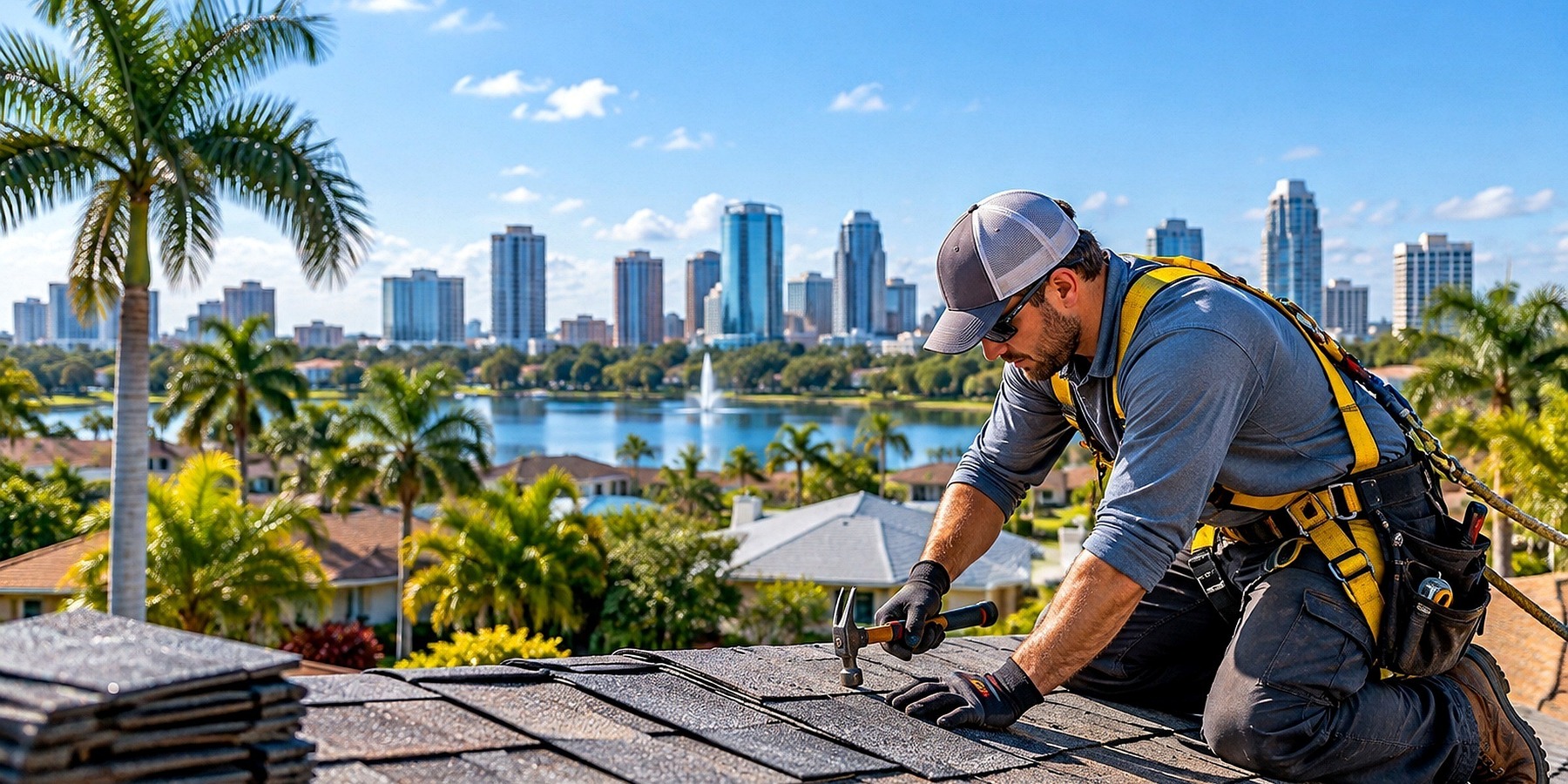
Rain changes what can safely and effectively be done. The roof must be dry enough for many materials and the conditions must be safe for workers.
For local homeowners, the useful approach is to connect the symptom to the roof component, explain the evidence that would confirm the diagnosis, and separate urgent action from long-term planning. This guide is written to help with that decision process.
Need local roofing help? Start with the Roof Repair Orlando FL homepage for Orlando roof repair services, emergency guidance and service-area information.
Short answer
Most permanent roof repairs cannot be done properly during rain: sealants and adhesives need dry surfaces, materials cannot be layered correctly on a wet substrate, and a wet roof is a serious fall hazard. What can happen during or between rain is interior protection, documentation, and, when a safe break in weather allows, temporary tarping. The permanent repair is scheduled for a dry roof, which in Orlando's rainy season usually means working around the daily pattern rather than waiting for a dry week.
Why wet repairs fail
Roofing is a layered water-shedding system assembled with adhesives, sealants and mechanical fasteners. On a wet substrate, shingle seals do not bond, underlayment cannot be dried-in, coatings trap moisture instead of excluding it, and flashing sealant skins over water it was meant to exclude. A repair done wet often looks finished and fails at the next storm, the worst outcome, because the homeowner believes the problem is closed. This is a materials fact, not a scheduling preference.
Safety is the second half: wet shingles, tile and metal are low-friction surfaces, and rain work adds ladders, loads and wind. Professional sequencing exists because the injury pattern is well known. If a contractor proposes full permanent work in active rain, ask what will make it bond and last; there is rarely a good answer.
What to do with the rainy-season gap
Use the gap for the parts that do not need a dry roof: protect the interior, photograph and date the damage, and get the assessment booked so the repair is first in line when a dry window opens. Temporary protection through emergency tarping bridges longer gaps for openings. For an active leak right now, the interior sequence is in what to do when your roof is leaking.
Orlando's summer pattern, dry mornings, afternoon storms, is actually workable: many repairs are scheduled into morning windows. The route for the permanent work itself is roof leak repair once the entry point is confirmed.
Keep reading
What to do when your roof is leaking · How to handle roof tarping after a storm
Questions homeowners ask
Can a tarp be installed while it is still raining?
Only if conditions allow safe access, wind and lightning usually decide. Tarping is often done in the first safe break after the storm rather than during its worst, and interior protection covers the interval.
Is there any repair that works in the rain?
Some emergency patch products claim wet application, but they are temporary measures with short lives, not permanent repairs. Treat anything applied wet as a bridge to a dry-roof repair.
How long must a roof dry before repair?
Until the substrate is actually dry, often a matter of hours of sun and airflow after rain stops, judged on site. Scheduling 'the morning after the storm, weather permitting' is the normal pattern.
Before & After Repair Scenarios
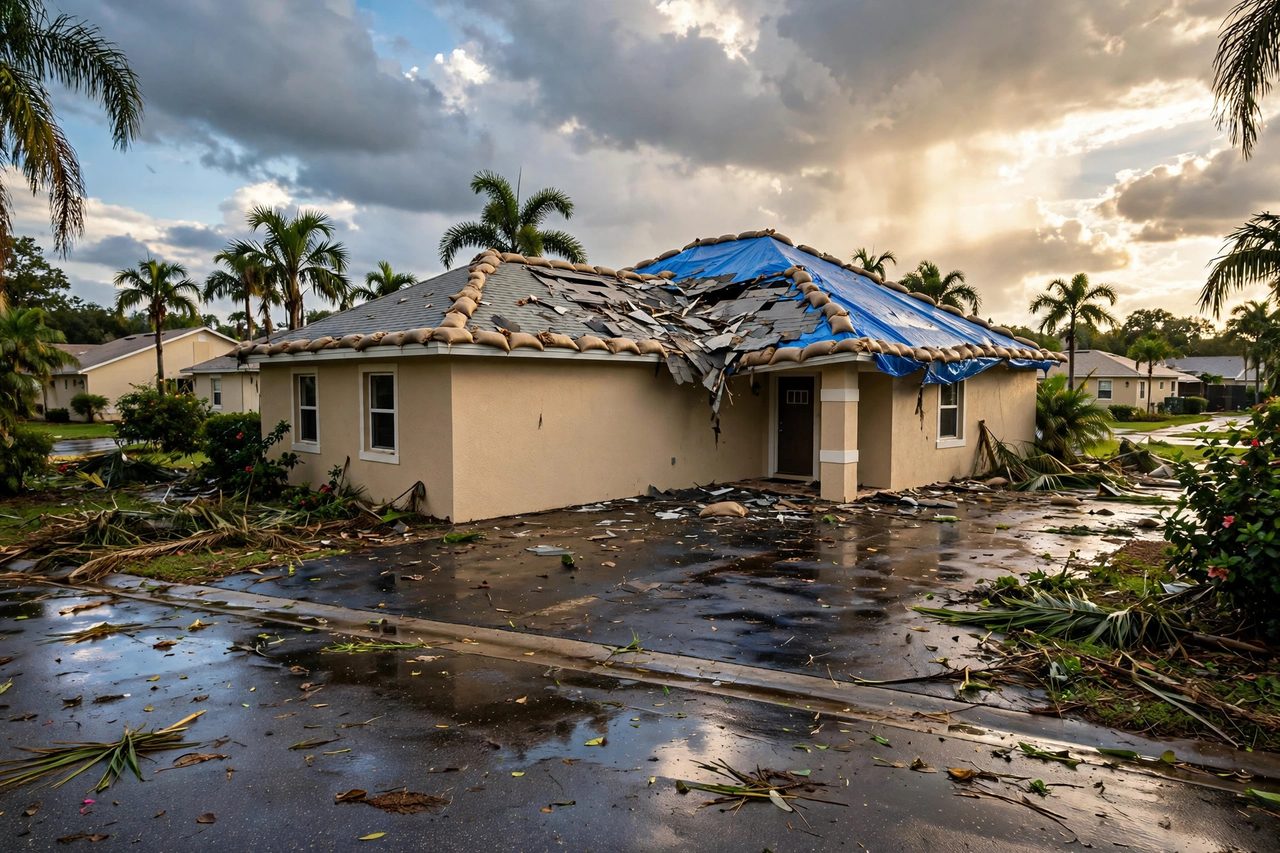
These visuals are illustrative examples of common repair scopes, not representations of a specific customer job. Replace them with verified project photography when available.
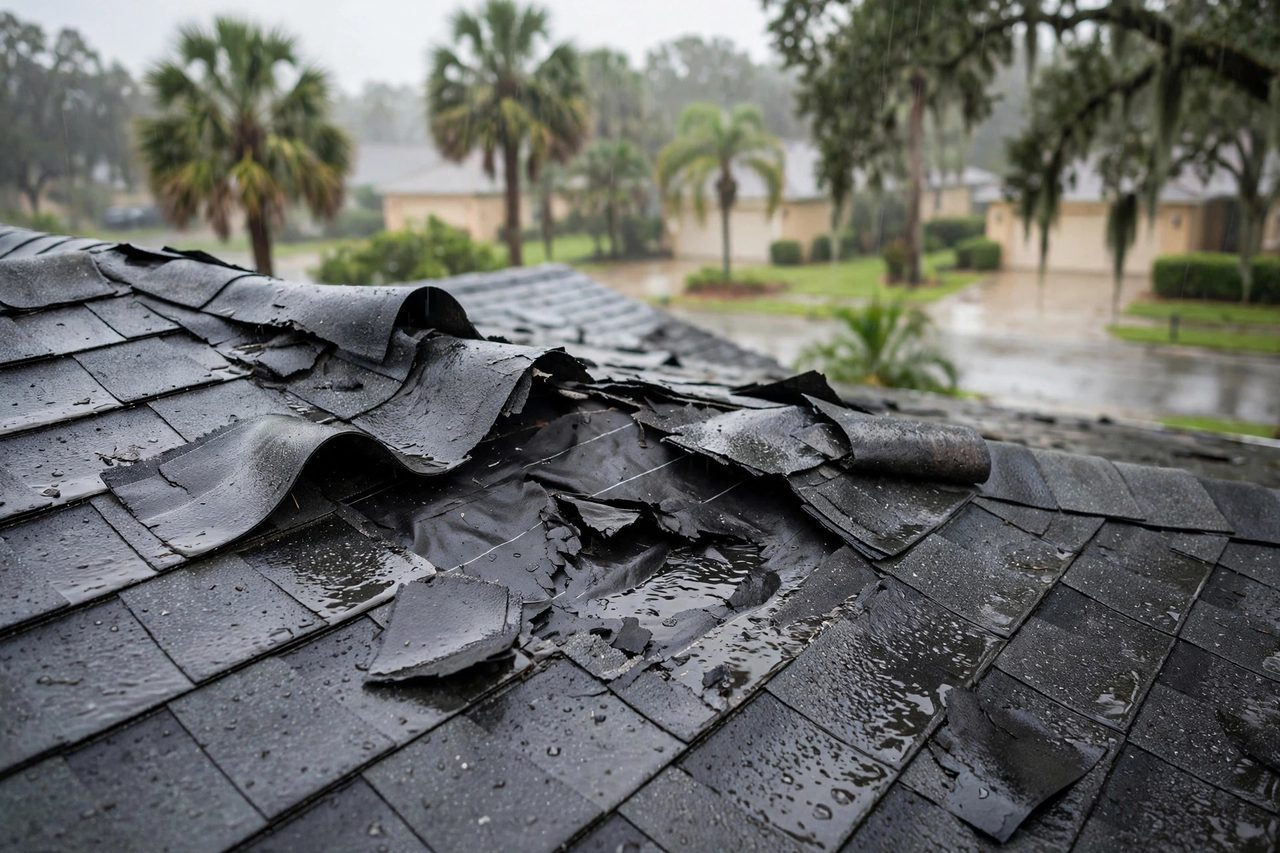
Localized Roof Leak Repair
Typical scope: identify the entry point, repair the failed component, restore surrounding materials and document the completed repair.
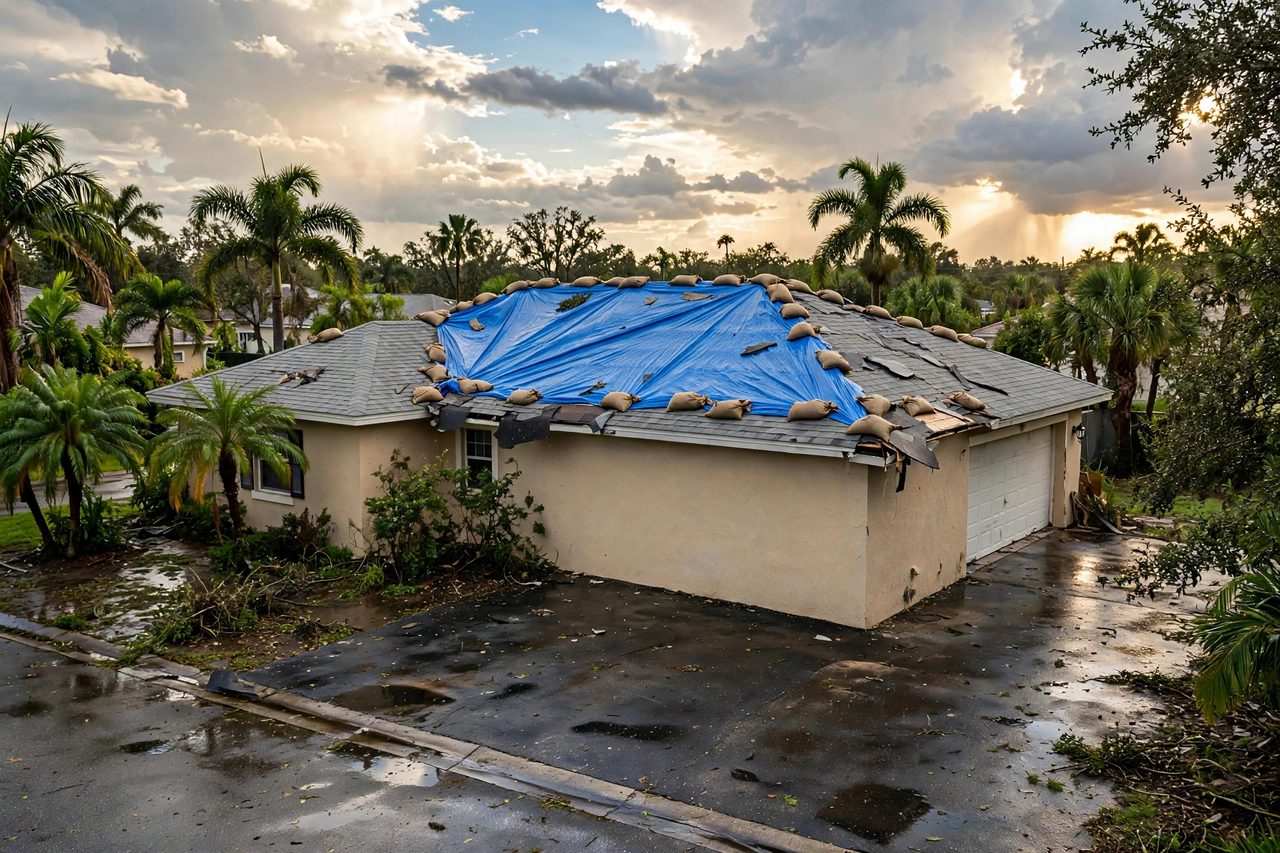
Storm Damage Stabilization
Typical scope: inspect wind or impact damage, protect exposed areas and separate urgent stabilization from permanent repairs.
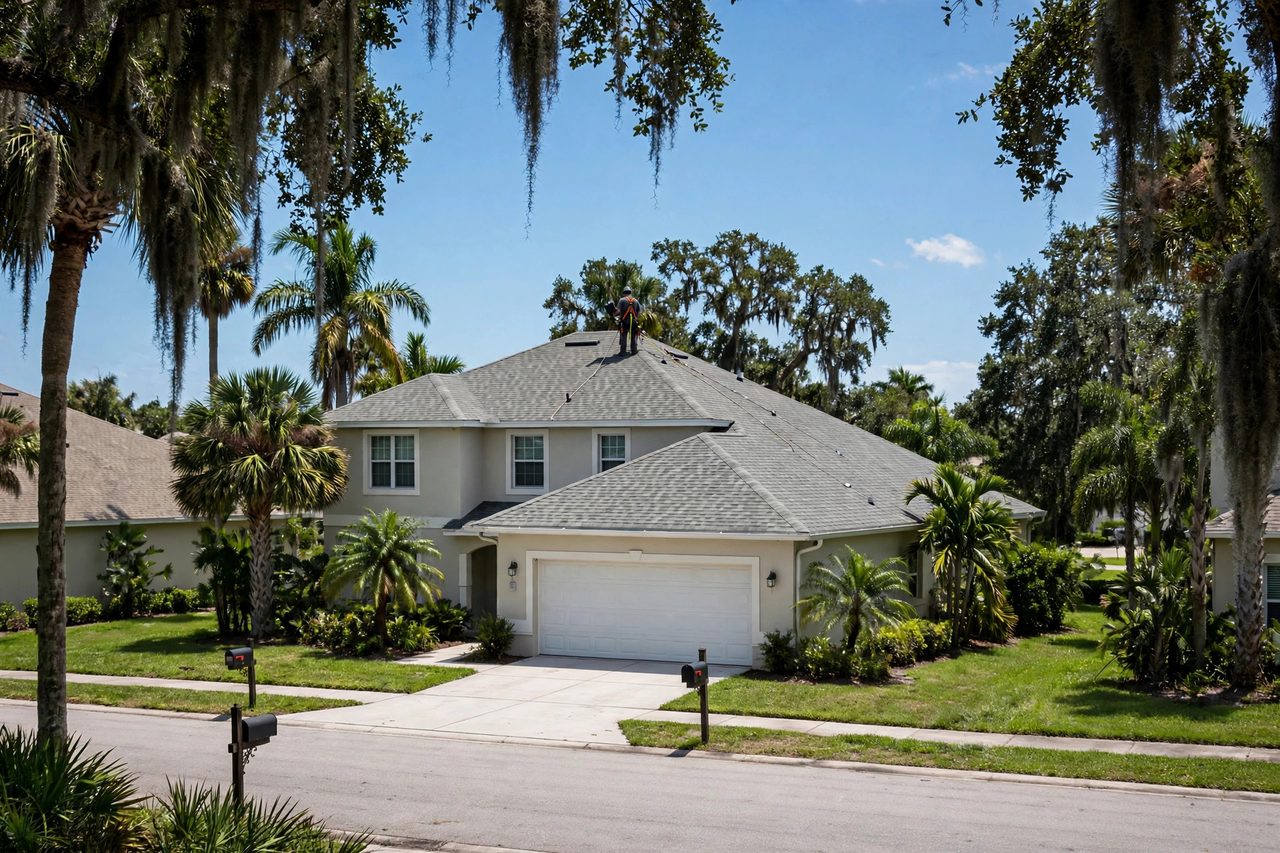
Roof Condition Assessment
Typical scope: inspect coverings, flashing, penetrations, drainage and visible moisture evidence before deciding what needs attention.
Image files include Orlando GPS metadata for local image organization; geotagging does not mean the scene was photographed at the listed map point.
Will a roof leak get worse if I wait for dry weather to repair it?
It can, which is why the gap matters as much as the repair. Cover valuables, place a bucket under the drip, and have the roof tarped once conditions allow safe access. In Orlando's rainy season, a temporary cover protects decking and ceilings until the permanent repair can be done on a dry surface.
Is it safe for a roofer to work on a wet roof?
Usually not, and a careful roofer will say so. Wet shingles and tile are slippery, ladders lose footing on soaked ground, and afternoon lightning is a real risk in Central Florida. Most crews stabilise the home from inside and climb only when the surface and weather allow the work to be done safely.
What should I do at home while waiting for a rain delayed roof repair?
Move furniture and electronics away from the leak, keep a bucket under the drip, and take dated photos of stains and water entry for your records. Photographs help with insurance documentation later. Avoid climbing on the wet roof yourself, and call +1 (689) 282-5370 to request an inspection so the repair is queued for the first dry stretch.
What Customers Have Shared
Customer feedback shown here is based on material already published by the business website. Use the Google Maps listing for the latest independently hosted review information.
“Showed up on time, and left the site cleaner than they found it.”
Published on the business website as customer feedback. See the live listing for additional review information.
View Google Maps Listing Leave a Google ReviewHow to evaluate a roofing contractor
Before authorizing work, compare the diagnosis, written scope, insurance documentation, applicable permits and contractor credentials. Ask which parts of the roof were inspected, what evidence supports the repair recommendation, and what documentation you will receive.
Need help with an active roofing problem?
Use this guide to understand the issue, then call to discuss the property and urgency.