
How Weather Affects Roofs in Orlando, Florida
Orlando roofs face heat, UV exposure, humidity, heavy rainfall and seasonal storms. The effect depends on the roof material and the way each component is installed and maintained.
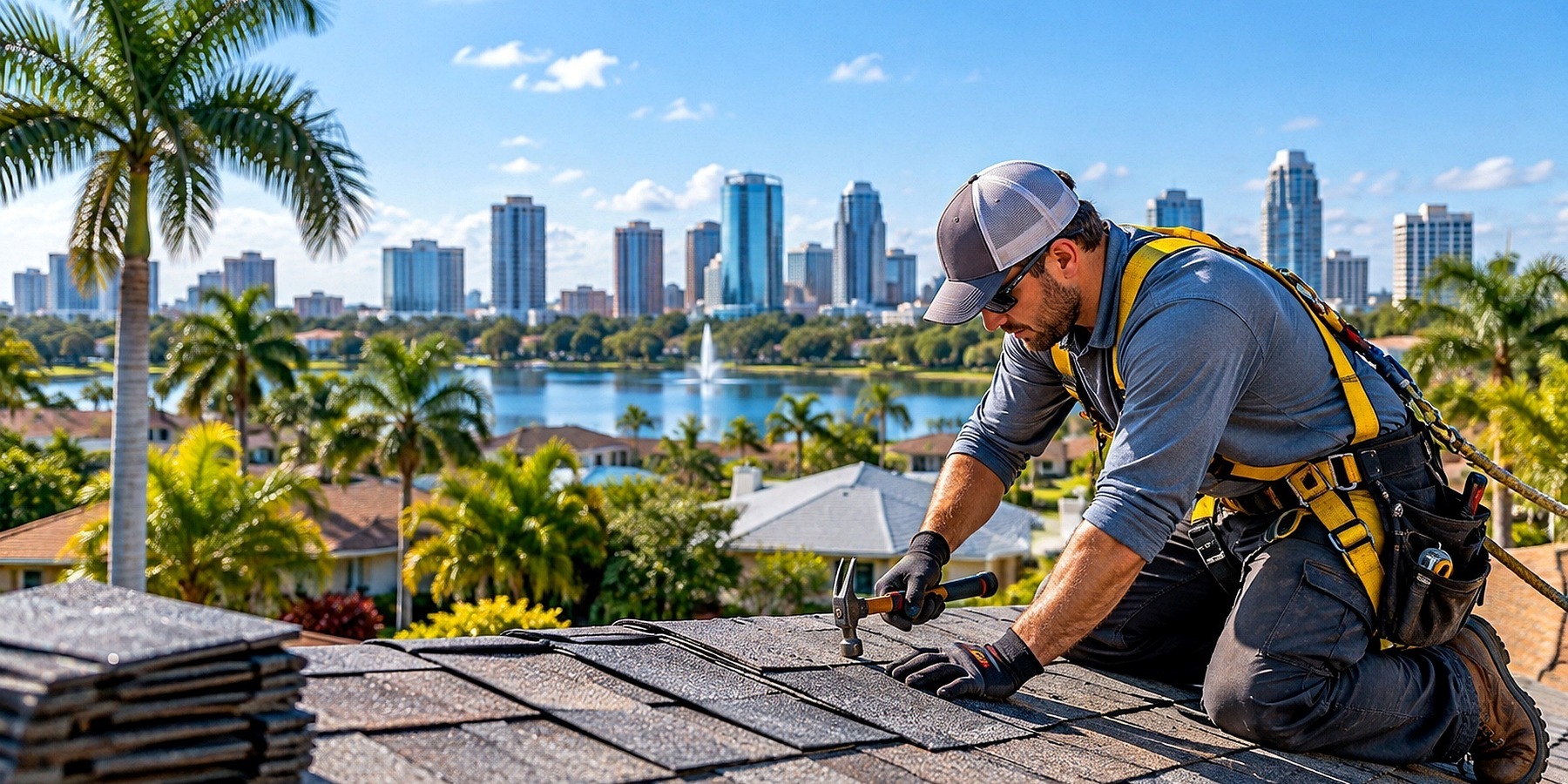
Orlando roofs face heat, UV exposure, humidity, heavy rainfall and seasonal storms. The effect depends on the roof material and the way each component is installed and maintained.
For local homeowners, the useful approach is to connect the symptom to the roof component, explain the evidence that would confirm the diagnosis, and separate urgent action from long-term planning. This guide is written to help with that decision process.
Need local roofing help? Start with the Roof Repair Orlando FL homepage for Orlando roof repair services, emergency guidance and service-area information.
Short answer
Orlando weather ages roofs through four mechanisms: ultraviolet exposure and heat degrade sealants, underlayment and boot rubber; intense rain tests laps, flashing heights and drainage capacity; wind works at edges, ridges and any seal that has already aged; and sustained humidity keeps shaded surfaces damp and biological growth active. None of these acts alone — the Orlando pattern is sun weakening a detail for years, then one storm's driven rain finding it.
Heat and sun: the slow mechanism
Florida's sun load is the quiet driver behind most of the others. Asphalt shingles lose granules and flexibility, exposed underlayment embrittles, pipe boots crack, and sealant joints dry and separate — all faster than in cooler, cloudier climates. This is why Orlando roofs often fail at components while the field of the roof still looks respectable, and why inspections here weight seals, boots and flashing condition so heavily. The National Weather Service's Orlando-area climate information (via weather.gov/mlb) documents the heat and rainfall patterns behind this if you want the underlying data.
Rain, wind and humidity: the testing mechanisms
Rain volume matters as much as rain frequency: Orlando downpours deliver water faster than marginal gutters and low-slope drainage can move it, which is why ponding and overflow are Orlando diagnoses rather than footnotes. Wind then converts aged seals into lifted and creased material. Humidity and shade complete the set by keeping north-facing and tree-covered sections damp, encouraging algae and slowing the drying that would otherwise reset a small problem.
The practical response is a maintenance rhythm matched to the mechanisms: periodic inspection of the components sun ages, drainage kept clear before the rainy season, and post-storm checks after the wind events — laid out in the roof maintenance checklist and the hurricane preparation guide. Condition checks route to roof inspection.
Keep reading
How to prepare your roof for hurricane season · Roof maintenance checklist for Orlando homes
Questions homeowners ask
Does Orlando weather shorten roof life compared to other states?
Heat, UV and storm exposure are genuine accelerants for component ageing — seals, boots and underlayment especially. Exact lifespan differences depend on material and installation, and anyone quoting a precise Orlando penalty figure is inventing it.
Why do leaks appear in the rainy season if the damage happened earlier?
Because rain is the test, not always the cause. Sun and age weaken a detail over months; the first heavy rain that reaches it is when the failure becomes visible indoors.
What is the one weather habit that protects an Orlando roof most?
Keep drainage working and seals inspected: clear gutters and valleys before the rainy season, and have the sun-aged components (boots, sealant, flashing) checked on a regular inspection cycle.
Before & After Repair Scenarios
These visuals are illustrative examples of common repair scopes, not representations of a specific customer job. Replace them with verified project photography when available.
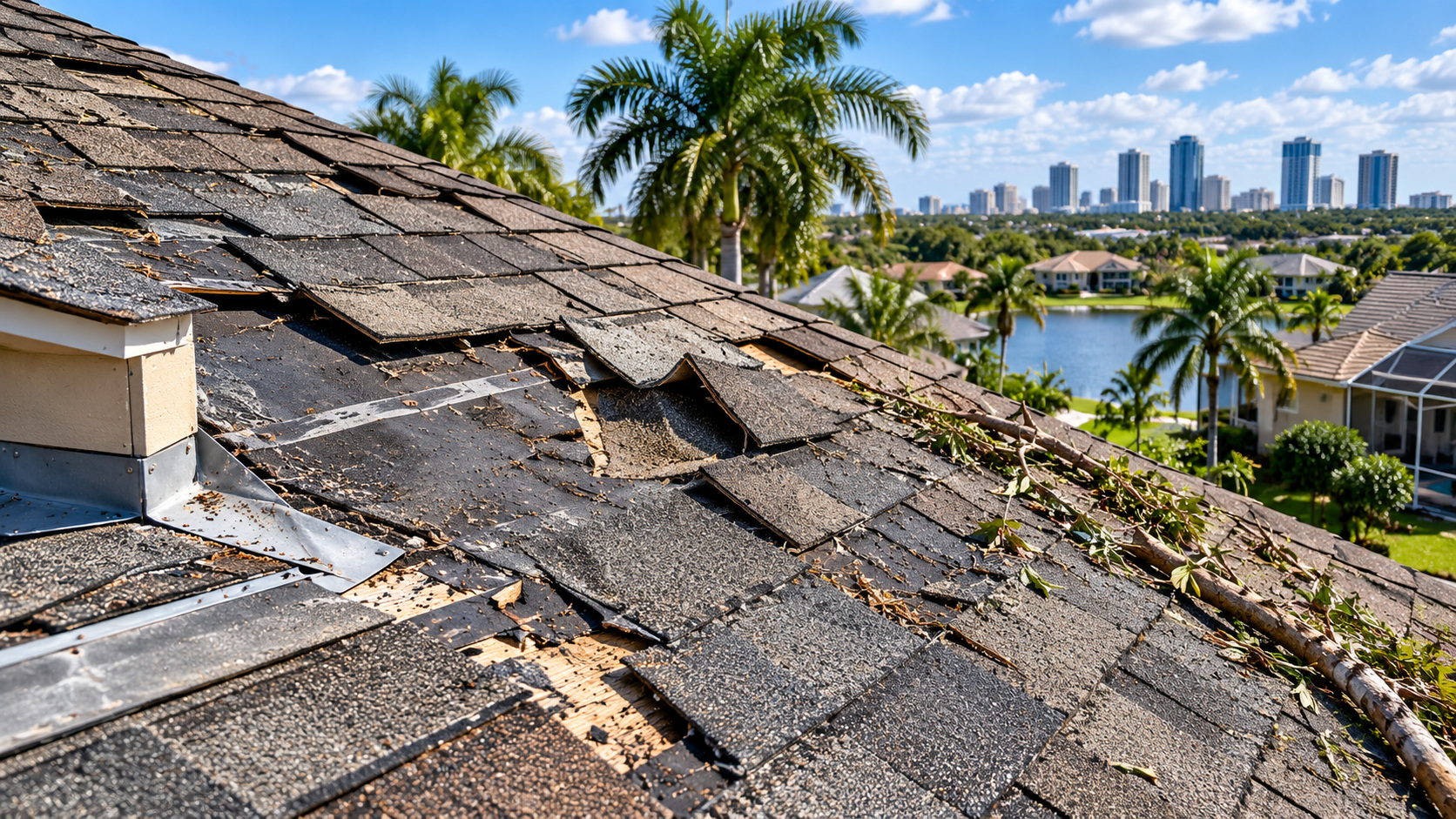
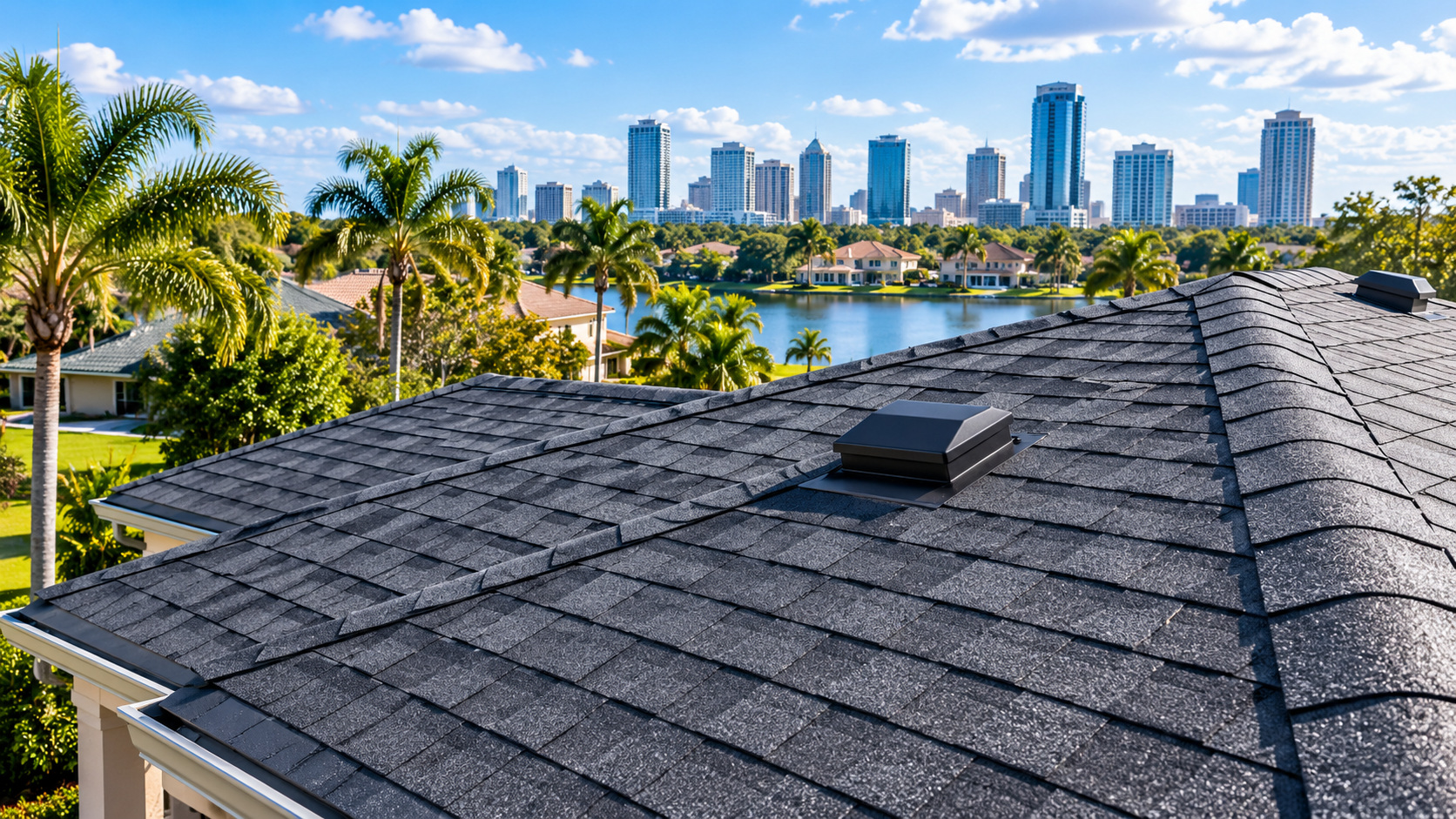
Localized Roof Leak Repair
Typical scope: identify the entry point, repair the failed component, restore surrounding materials and document the completed repair.
Storm Damage Stabilization
Typical scope: inspect wind or impact damage, protect exposed areas and separate urgent stabilization from permanent repairs.
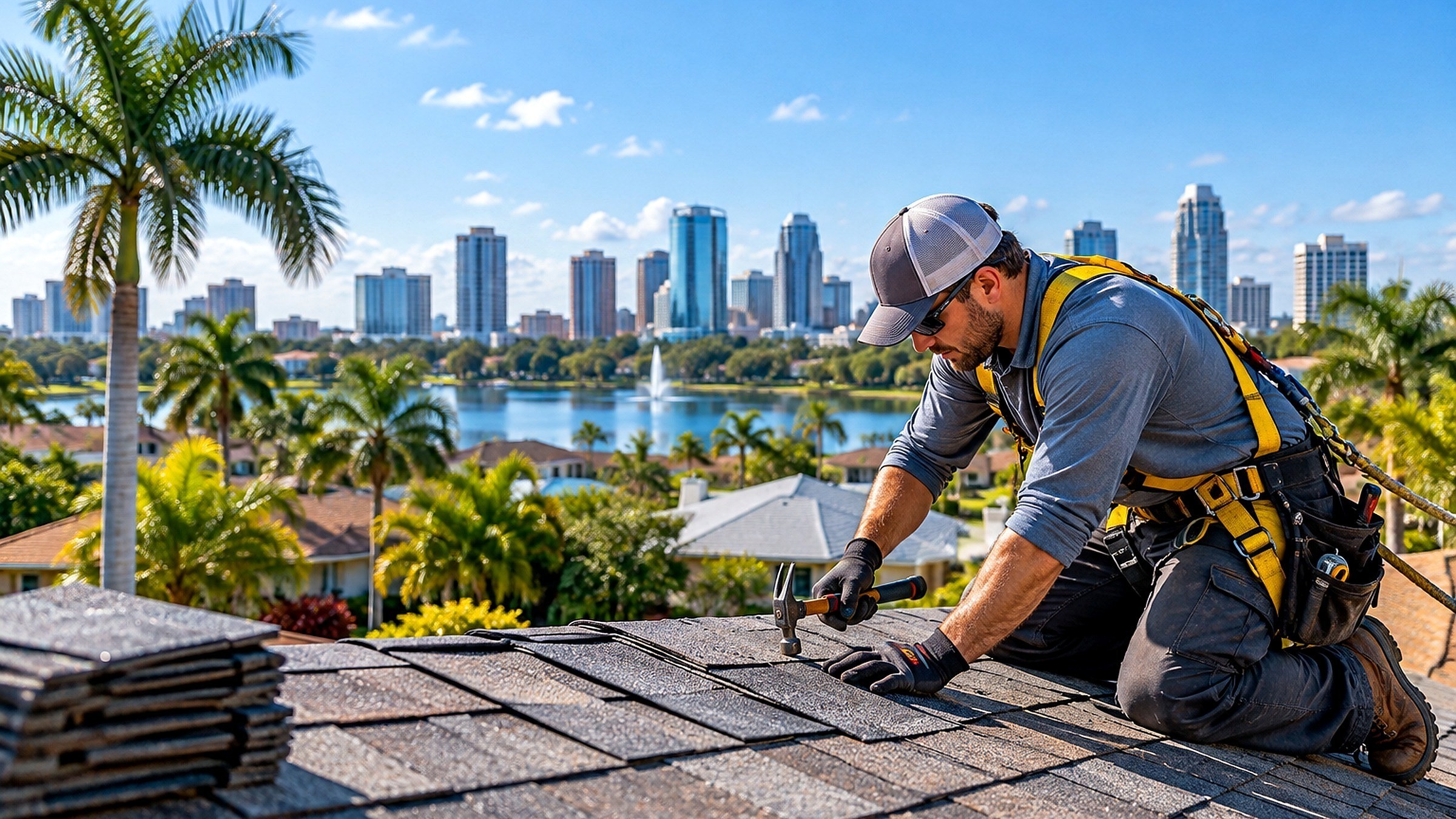
Roof Condition Assessment
Typical scope: inspect coverings, flashing, penetrations, drainage and visible moisture evidence before deciding what needs attention.
Image files include Orlando GPS metadata for local image organization; geotagging does not mean the scene was photographed at the listed map point.
What Customers Have Shared
Customer feedback shown here is based on material already published by the business website. Use the Google Maps listing for the latest independently hosted review information.
“Showed up on time, and left the site cleaner than they found it.”
Published on the business website as customer feedback. See the live listing for additional review information.
View Google Maps ListingHow to evaluate a roofing contractor
Before authorizing work, compare the diagnosis, written scope, insurance documentation, applicable permits and contractor credentials. Ask which parts of the roof were inspected, what evidence supports the repair recommendation, and what documentation you will receive.
Need help with an active roofing problem?
Use this guide to understand the issue, then call to discuss the property and urgency.