
Back for the Winter? Your Roof Sat Through Hurricane Season: Here's Its Checkup List
Welcome back to Orlando. November is kind to Central Florida's returning residents: sunny skies, cooler nights, highs in the comfortable mid-20s Celsius. The house, though, has had a rougher year than you have. You left in the spring. It stayed for everything: the building humidity, the daily downpours, the gusty storm bands, and the long stretches when a small problem could drip for weeks with no one there to see it.

This checkup list is built for exactly your situation: a home that sat closed and unwatched through the heart of hurricane season. Work it from the outside in, and you will know within an hour whether your roof came through the season clean or needs attention before the winter fronts and holiday guests arrive.
Short answer
While you were away, your Florida roof took five months of wind, driving rain, heat, and debris with nobody home to notice a single thing going wrong. Returning homeowners should check gutters, valleys, and flashing from outside, attic and ceilings from inside, and book a professional inspection within their first two weeks back. Most storm-season damage on a closed home is quiet, and it is all cheaper to find now than in December.
What five closed months do to a roof
An occupied home gets constant small warnings: a stain appears, a drip is heard, a gutter overflows in view of a window. A closed home gets none. Damage that would have been a one-day repair in July instead goes through a whole season of wet and dry cycles. A lifted shingle edge lets in a little water with every storm. Packed gutters hold moisture against the fascia month after month. A crack in a vent boot grows in the heat while nobody is using the bathroom under it.
Closed homes also run different conditions inside. With the air conditioning off or set high, attic temperatures and humidity climb, and any moisture that entered the roof assembly sits there longer. None of this means your roof is ruined. It means this week's first checks matter more than usual, because you are looking at five months of evidence all at once.
The outside checkup list
Start with a slow walk around the house, binoculars if you have them, looking at these in order:
- Gutters and downspouts. Are gutters sagging, overflowing at the seams, or still holding water days after rain? A season of leaf and seed buildup is nearly guaranteed. Overflow marks on the fascia underneath tell the story.
- Valleys. Where two roof slopes meet, look for packed leaves and debris. A blocked valley forces water sideways under shingles in heavy rain.
- Flashing lines. At chimneys, skylights, and where roof meets wall, check for edges that have visibly lifted, curled, or pulled away. Binoculars help here.
- Shingle edges and ridge. Scan for tabs that are missing, curled, or sitting at odd angles, and ridge caps that have shifted. Damage often clusters at the edges of the roof where wind gets underneath.
- Soffit, fascia, and overhangs. Look for peeling paint, dark streaks, soft-looking wood, or gaps where animals could enter. Water damage shows here early.
- Flat sections and porch roofs. On carports, lanais, and low-slope additions, look for standing water marks, blistering, or separated seams. These quiet areas are common leak sources into living space.
- Ground evidence. Walk the yard for roofing debris: shingle pieces, flashing scraps, or heavy granule washout at downspout exits.
The inside checkup list
From indoors, check the ceilings in every room, with extra attention under bathrooms, laundry rooms, and roof intersections above additions. Fresh water stains, soft drywall, or bubbling paint deserve a note on your list. In the attic, during daylight, look for water trails on the underside of the deck, damp or matted insulation, and any daylight visible through the roof. A strong musty smell in a house that has been aired out for a day is also evidence: moisture is living somewhere it should not.
Note what you find with dates and photos, even if you are not sure what it means. A dated record of your roof's condition the week you returned is valuable for your own planning and for your homeowner insurance file, whatever you decide to do next.
Why the first two weeks back are the window
Your return lands in the busiest stretch of the roofing calendar. Thanksgiving week fills schedules with homeowners hosting guests, and every winter front that follows adds urgent leak calls ahead of your planned job. An inspection booked in your first two weeks back lands you ahead of both rushes while dry November weather still makes repairs easy to complete. Hurricane season officially ends on November 30, so an inspection this month closes the season with a documented, professional read on your roof: exactly the record you want heading into winter.
Keep reading
Roof Maintenance Checklist for Orlando Homes · How Often Should a Florida Roof Be Inspected?
Questions homeowners ask
My neighbor watched the house and said it looked fine all summer. Is that enough?
A neighbor's view is a real kindness, but it is a view from the road. Most storm-season failures, lifted flashing, creased shingles, cracked vent boots, blocked valleys, cannot be seen from the street. Use the neighbor's report as good news, then run the checkup anyway.
What is the most common damage found on roofs of homes that sat closed?
In our experience with Central Florida roofs, it is the quiet items: creased shingles, cracked pipe boots, flashing lifted at the edges, and gutters that held water for months, along with attic moisture from a small leak nobody was home to catch.
Can I check the attic myself safely?
Yes, with care. Go in daylight, move slowly on the joists or attic flooring only, and skip it entirely if you are unsteady, the attic is very hot, or you cannot see where to step. If anything looks damp, stained, or out of place, stop and let the inspection do the rest.
When should I schedule the inspection if I just got back?
Within your first two weeks back, and ideally before Thanksgiving week. November schedules are still open, and dry-season weather makes any needed work straightforward. If you spot active dripping or a fast-growing stain, do not wait: call right away.
Your roof did the hard months alone. Give it an hour of your first week back. Request a free roof inspection in the Orlando area: call (689) 282-5370 or visit roofrepairorlandofl.com. Licensed Florida roofing: Timothy Parks Roofing & Construction Inc., licence CCC1327217.
Before & After Repair Scenarios
These visuals are illustrative examples of common repair scopes, not representations of a specific customer job. Replace them with verified project photography when available.
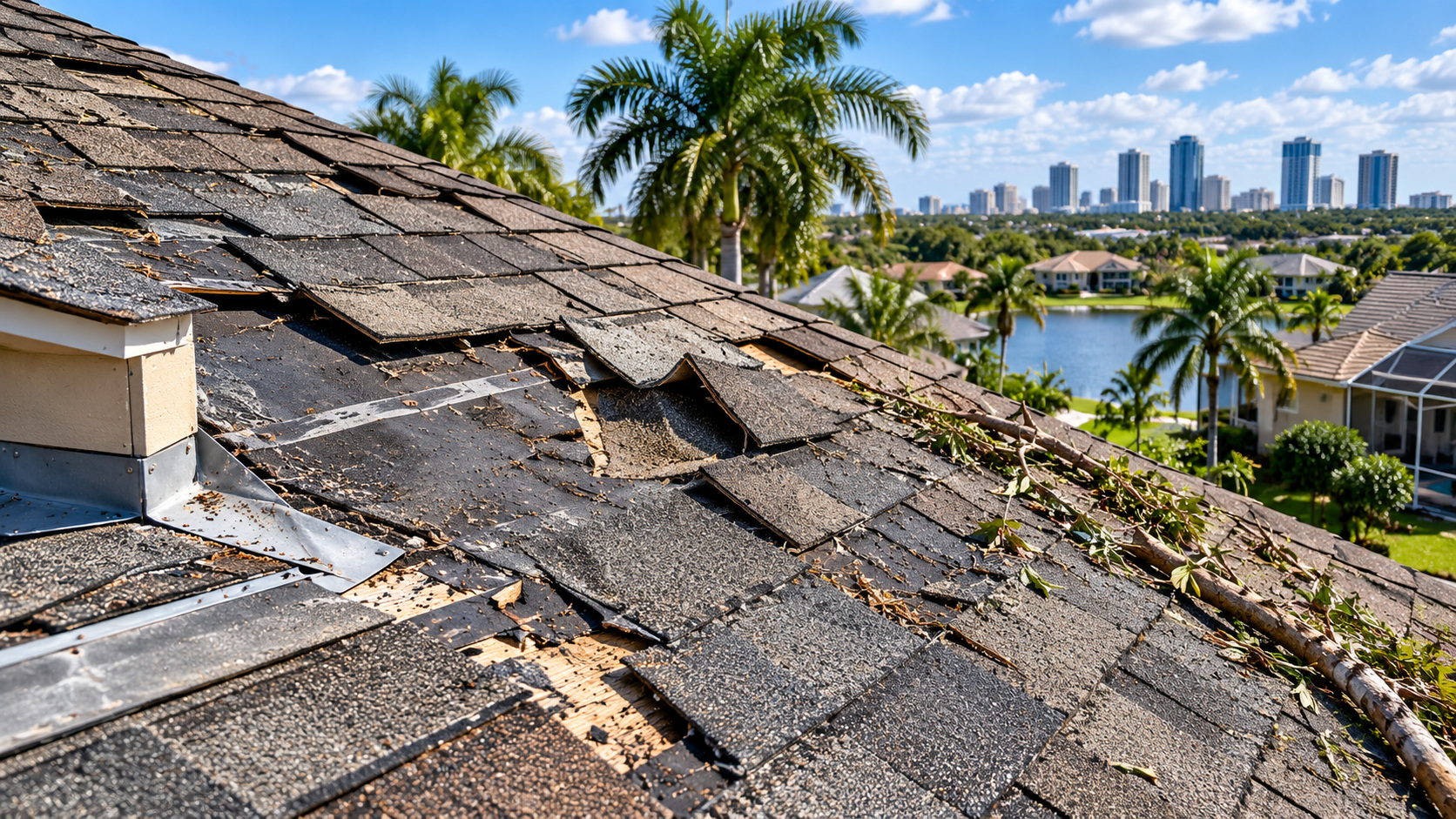
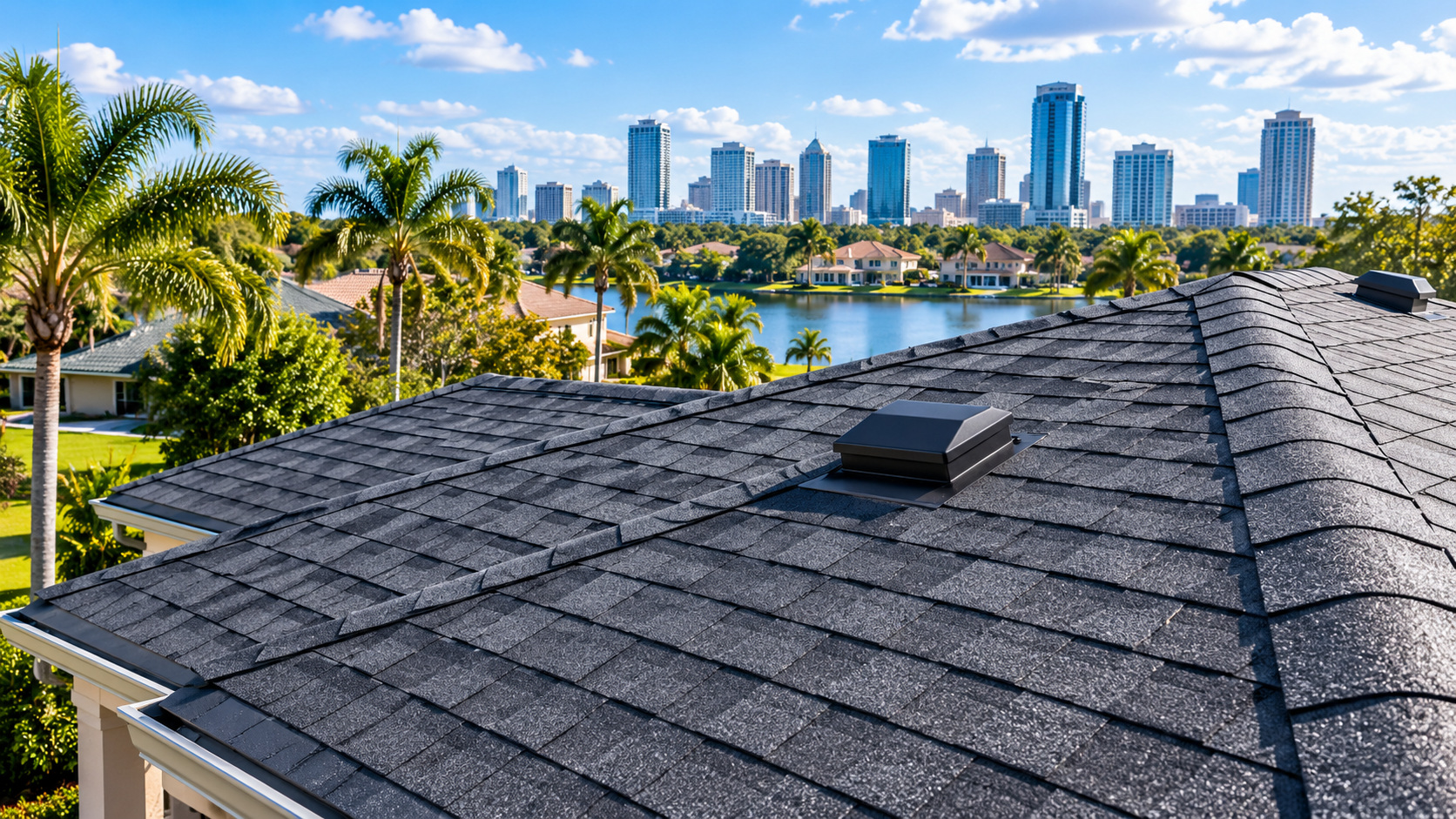
Localized Roof Leak Repair
Typical scope: identify the entry point, repair the failed component, restore surrounding materials and document the completed repair.
Storm Damage Stabilization
Typical scope: inspect wind or impact damage, protect exposed areas and separate urgent stabilization from permanent repairs.

Roof Condition Assessment
Typical scope: inspect coverings, flashing, penetrations, drainage and visible moisture evidence before deciding what needs attention.
Image files include Orlando GPS metadata for local image organization; geotagging does not mean the scene was photographed at the listed map point.
What Customers Have Shared
Customer feedback shown here is based on material already published by the business website. Use the Google Maps listing for the latest independently hosted review information.
“Showed up on time, and left the site cleaner than they found it.”
Published on the business website as customer feedback. See the live listing for additional review information.
View Google Maps ListingHow to evaluate a roofing contractor
Before authorizing work, compare the diagnosis, written scope, insurance documentation, applicable permits and contractor credentials. Ask which parts of the roof were inspected, what evidence supports the repair recommendation, and what documentation you will receive.
Need help with an active roofing problem?
Use this guide to understand the issue, then call to discuss the property and urgency.